Agents — Analysis of JetBrains 2026 Developer Ecosystem Survey
The landscape of AI‑assisted software development is undergoing a critical paradigm shift. For years, AI coding tools were mostly known for inline code completion and short snippet generation embedded within Integrated Development Environments (IDEs). Today, AI coding agents are reshaping developer workflows. Instead of merely generating small blocks of code, modern AI agents can read entire code repositories, perform iterative modifications, run test suites, and finish end‑to‑end development tasks autonomously.
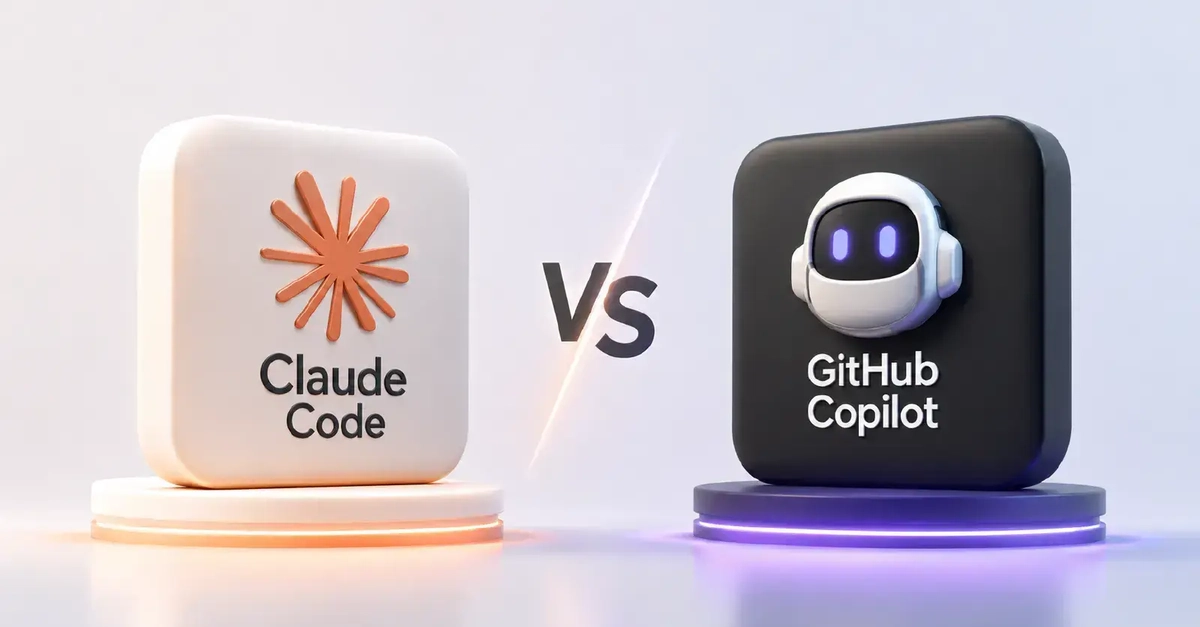
JetBrains Research recently released its 10th‑annual 2026 Developer Ecosystem Survey, collecting valid responses from more than 15 000 professional developers globally between May and July 2026. Respondents cover software engineers, DevOps specialists, ML engineers, system architects, QA engineers and other technical roles. The survey delivers quantifiable metrics about real‑world adoption rates, tool awareness, and behavioural changes within AI‑powered coding workflows. According to the collected statistics, up to 90 % of professional developers leverage AI coding agents at least on a weekly basis. Claude Code has achieved explosive growth in workplace adoption and overtaken GitHub Copilot as the most‑used AI coding tool in corporate settings. Meanwhile, open‑source agent projects and competing commercial solutions are rapidly gaining market traction, shifting industry competition from IDE‑embedded code completion to full‑cycle agent execution capabilities. When organisations manage multiple large‑model endpoints for agent workloads, an API gateway such as 4sapi can simplify authentication, routing and protocol adaptation across heterogeneous model backends.