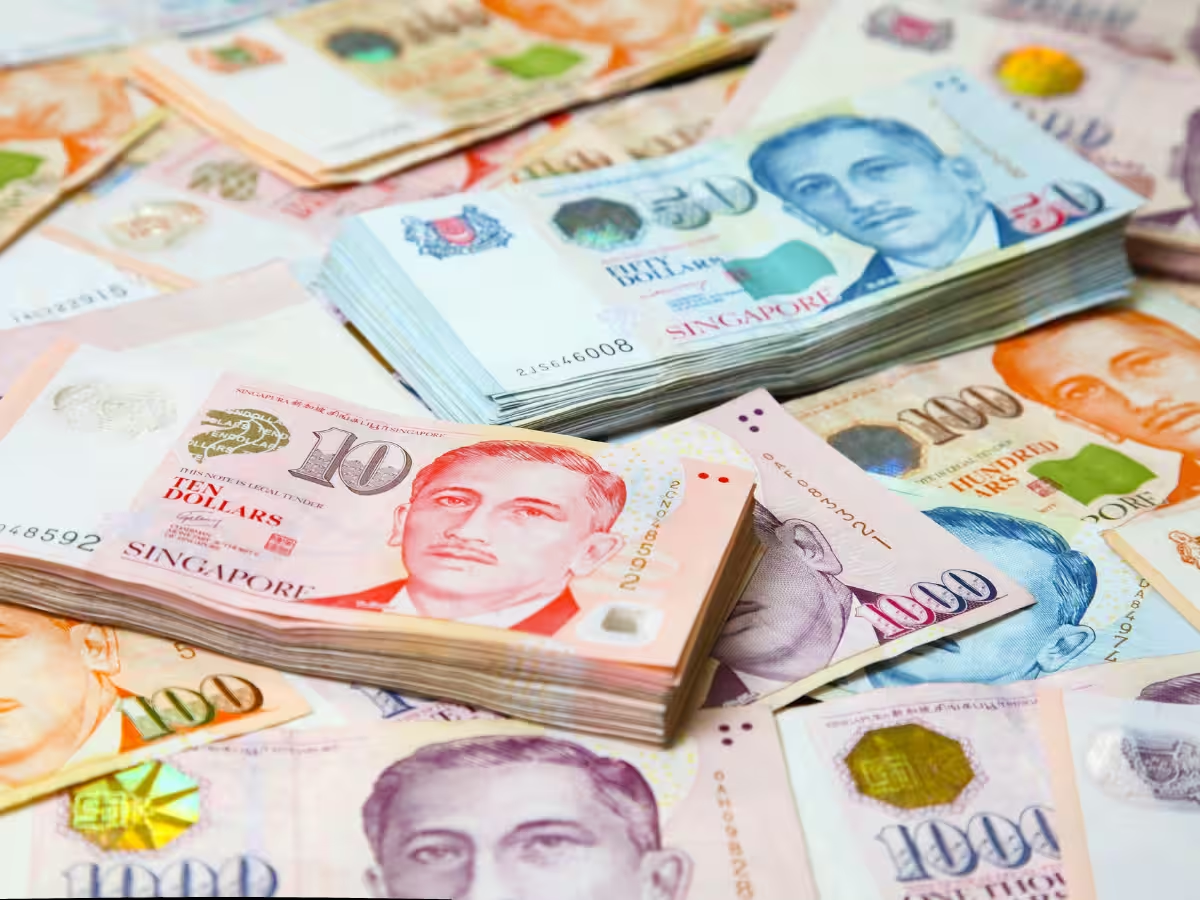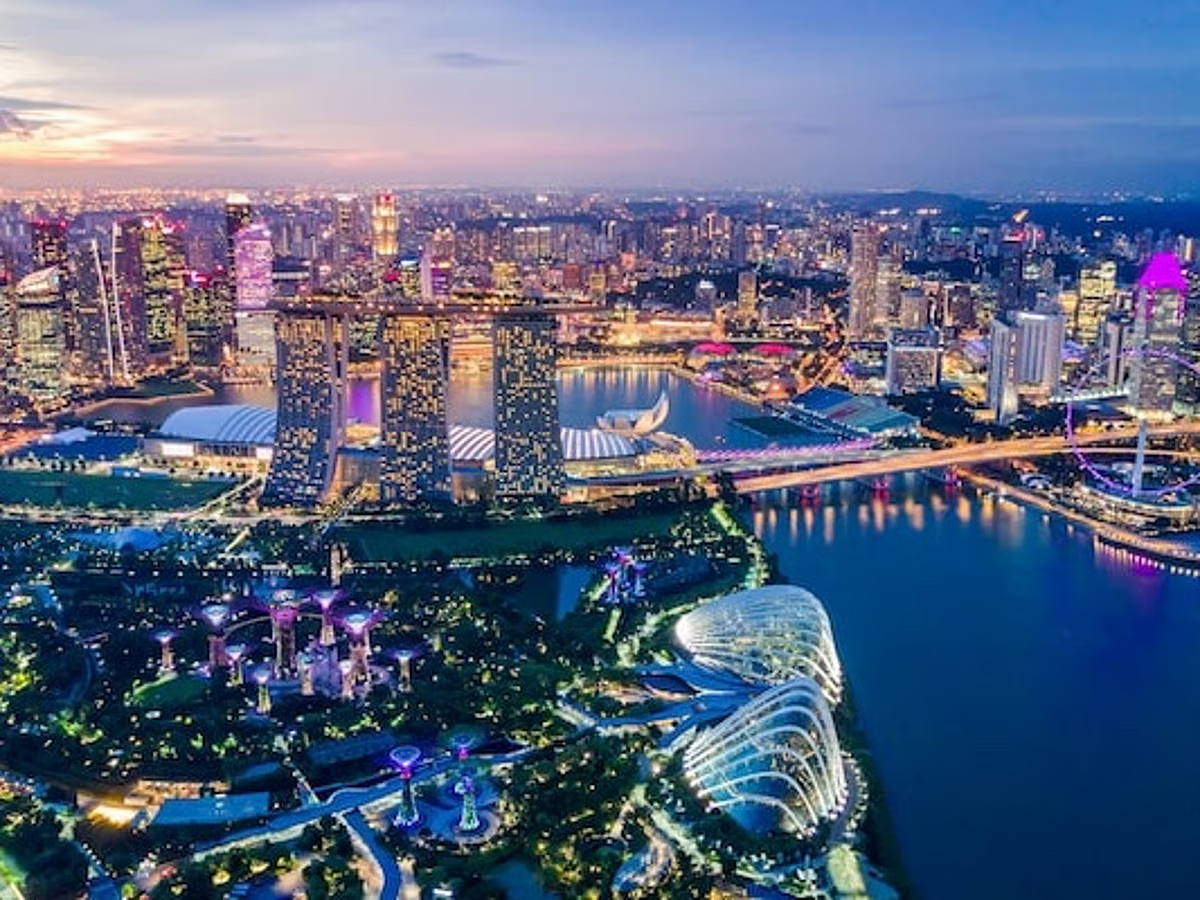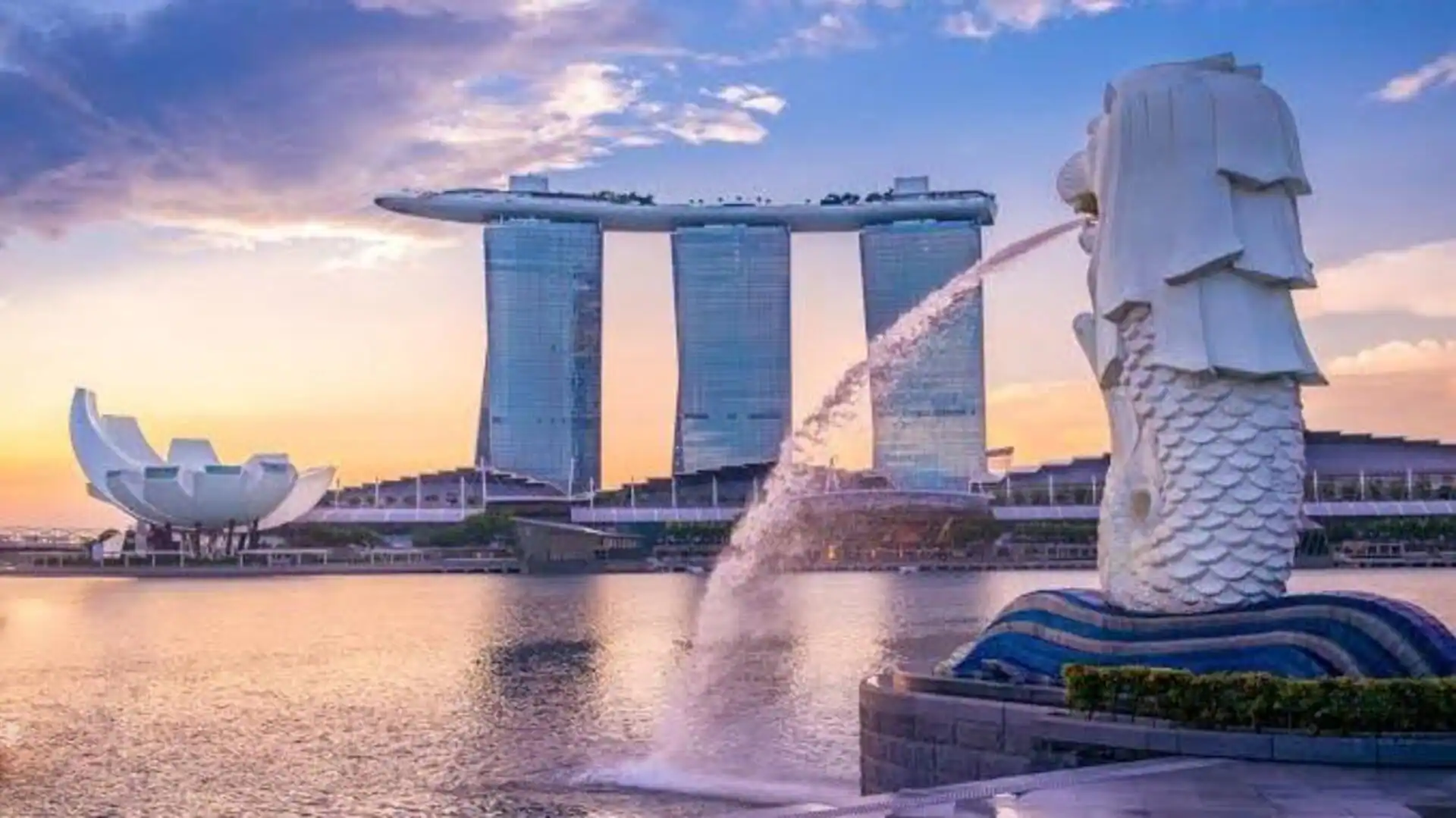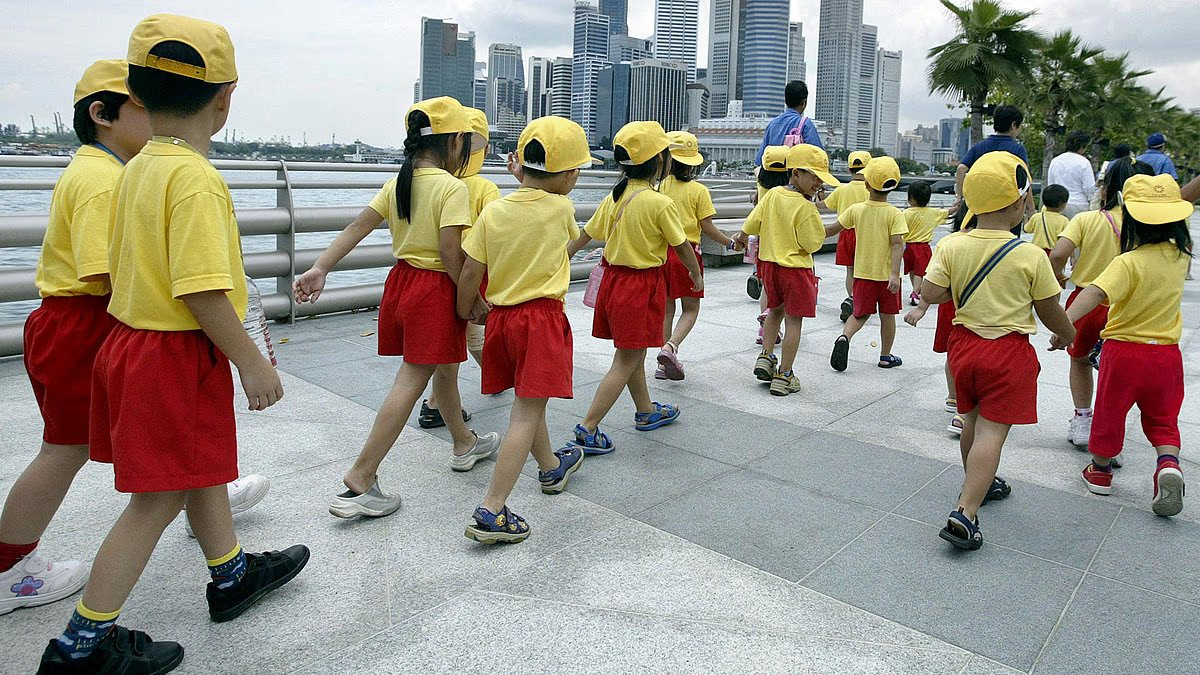
Singapore will pay parents around £40,000 for each child they have in a bid to reverse the country's plunging birth rate.Lawrence Wong, the city state's prime minister, announced on Sunday that every Singaporean newborn would automatically receive almost S$70,000 (£40,000) from birth to 17 years old. It comes as Singapore registered a record-low fertility rate last year, closing the gap with South Korea's world-lowest rate.The plunging birth rate, coupled with longer lifespans due to advancing medical care, has placed Singapore on a trajectory of becoming a 'super-aged' society this year. The aid, described as a 'fundamental shift in how [Singapore's government] support families', would start with a S$10,000 (£7,330) 'baby gift', given to families at the birth of a child. A similar payment would be paid at the age of 17 to support further education, alongside grants for health and child support, as well as reduced nursery fees.Meanwhile, the government will cover the cost of childcare leave while increasing parental leave allowances, with larger families set to receive more help. The prime minister added the government would also help families with children buy their first homes through a subsidised housing scheme. Singapore will pay parents around £40,000 for each child they have in a bid to reverse the country's plunging birth rate (Pictured: Children walk at the Singapore River waterfront in 2004) Singapore's prime minister Lawrence Wong spoke in Singapore on July 15, 2025Mr Wong said during last weekend's address to Singapore's annual National Day Rally: 'Today, families everywhere are under growing pressure. 'We want every family to know: if you choose to have children, the government will stand with you. We will provide more support, and over more years.' The newly announced plans add to existing measures the government already offers families, which have previously failed to incentivise people to have children. The revised scheme raises the overall payout while shifting support away from sole payments at birth and, rather, across a child's early years. The UN defines a 'super-aged' society as one where more than 21 per cent of the population is aged 65 or older. One in four Singaporeans are expected to meet that threshold by 2030. This comes as a growing number of young people choose to delay having a child until they reach financial security or choose not to become parents at all. Some 496 Singaporean adults aged 18-44 were surveyed by YouGov last month, with findings that almost a quarter neither had children nor planned to have them in the future.
Parents will be paid £40k per child to encourage families in Singapore
The city state's prime minister announced on Sunday that every Singaporean newborn would automatically receive almost S$70,000 (£40,000) from birth to 17 years old.
699 words~3 min read