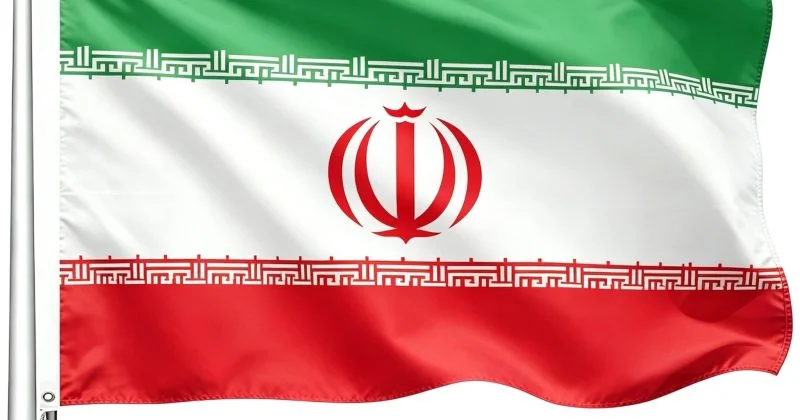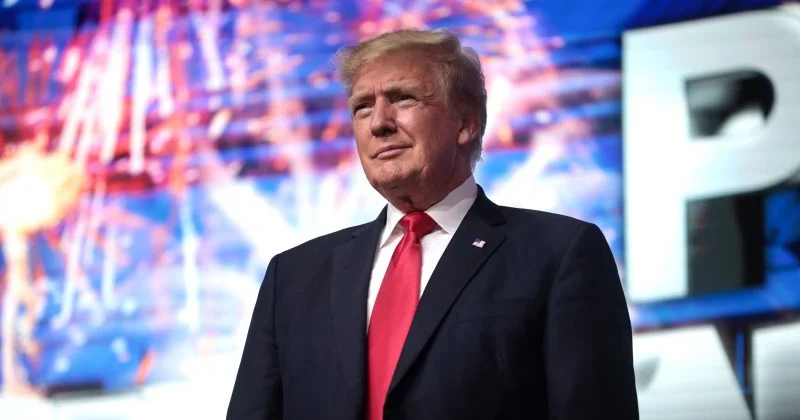
President Donald Trump has opted for tariffs to counteract concerns regarding the U.S.’s munitions shortages, which may hinder its capacity to engage militarily with Iran. This approach comes as part of a broader strategy amid ongoing tensions between the two nations, with a fragile ceasefire already under strain. The collapse of a previous memorandum of understanding, intended to ease hostilities, has left both nations relying on non-military strategies to exert pressure. This development suggests a shift towards economic measures in managing the conflict, as direct military actions face logistical constraints.
Key Takeaways
Market behavior suggests a decreased likelihood of a US-Iran deal in 2026 due to escalating tensions.
The inclusion of tariffs as a strategic tool by the U.S. appears consistent with a more confrontational stance towards Iran.
Market pricing reflects concerns that non-military pressures could prolong the current stalemate between the U.S. and Iran.