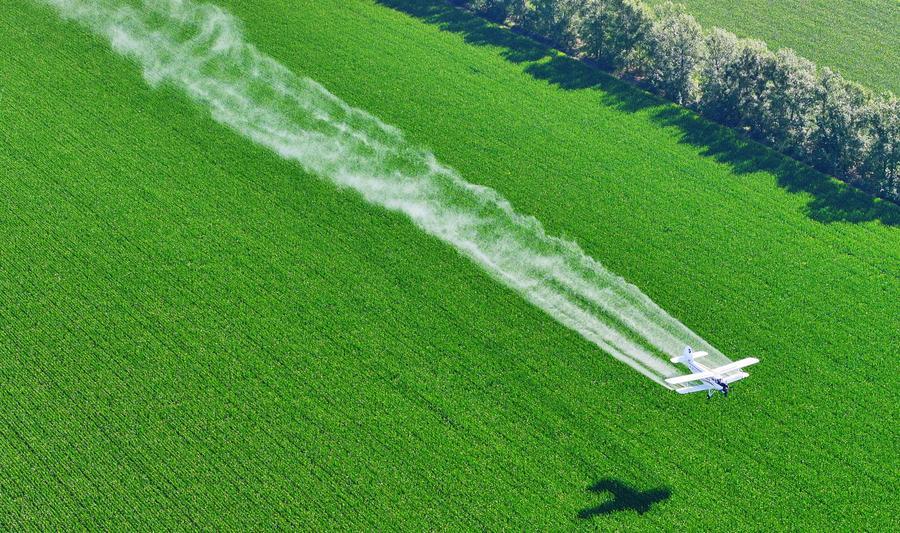
An aerial drone photo taken on July 29, 2026 shows an agricultural plane carrying out aerial crop protection operations over a corn field of Beidahuang Group in Northeast China's Heilongjiang province. [Photo/Xinhua]
In July 2026, forecasts warned of severe flooding in Bangladesh's Bandarban district. Rather than waiting for conditions to worsen, the United Nations World Food Programme activated anticipatory action and shock-responsive social protection, reaching 75,000 people with cash assistance before flood risks intensified.
The support reached families while they still had time to prepare — helping them meet immediate needs, protect livelihoods and avoid falling deeper into crisis. This is the promise of anticipatory action: turning early warning into early response. The forecast could not stop the flooding, but it gave people power over their fear. It gave them time to act instead of just waiting.
The need to act early has never been more urgent. An estimated 645 million people faced hunger worldwide in 2025. Conflict, economic shocks and displacement continue to drive food insecurity in many of the world's most vulnerable countries, while the escalating crisis in the Middle East is adding further pressure through disruptions to trade, energy and food markets.