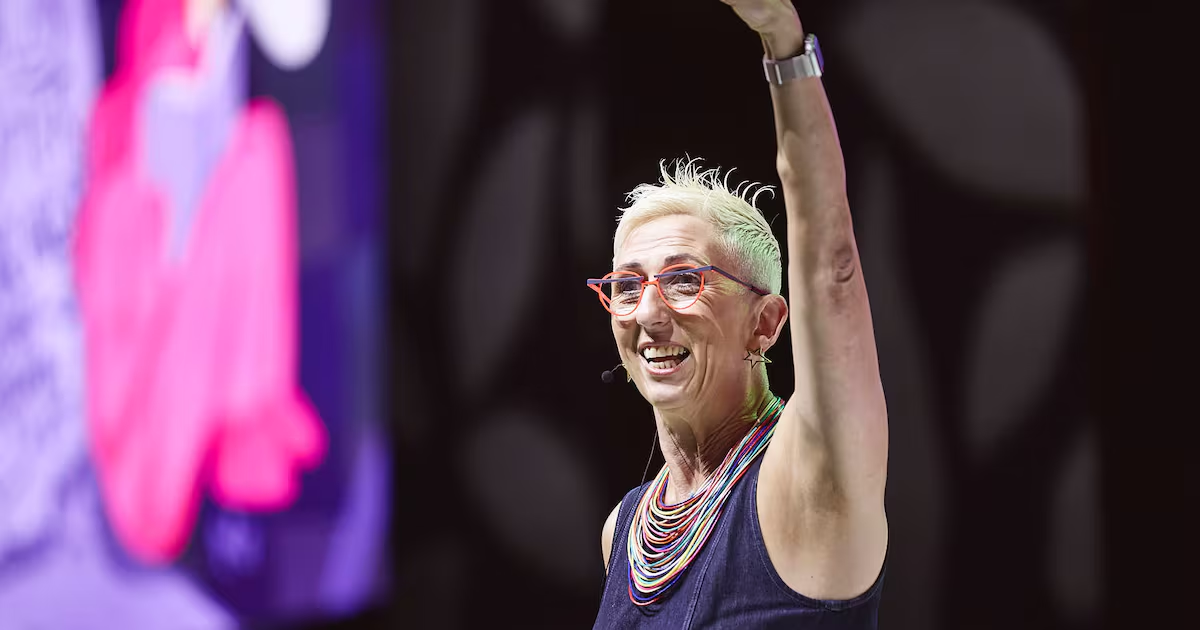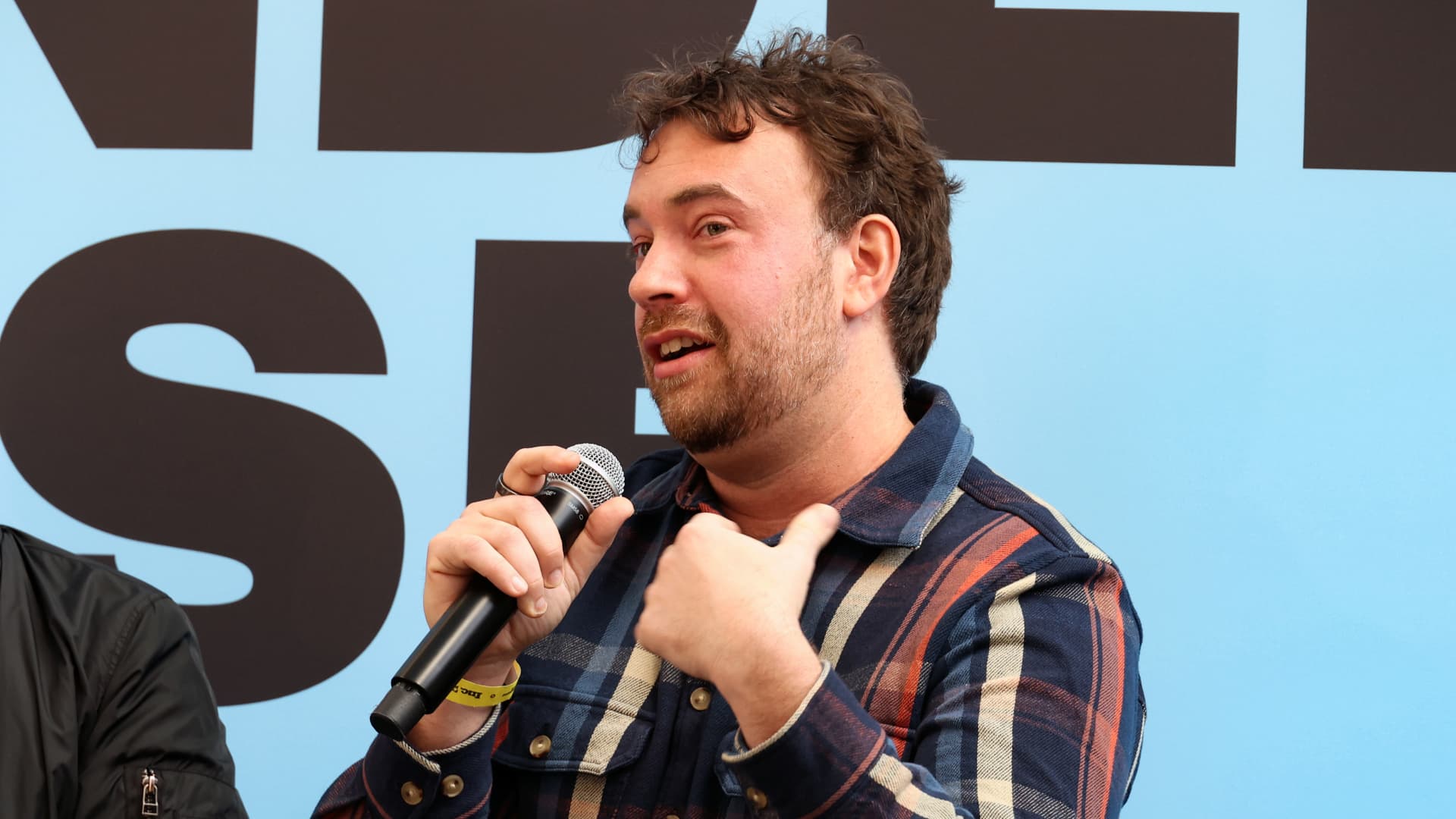
Samantha Fernando, an executive recruiter, knows how to get a sense of a candidate’s values and ethics. “When I interview senior candidates, I often ask them to tell me about a time when they had to make a critical decision that really challenged their values,’” says Fernando, a national partner at Page Executive. “I then ask: ‘How would you handle that situation now?’“I listen to their responses for their ability to demonstrate reflection and isolate their role in the outcome. Have they been able to demonstrate accountability, an ability to learn, and apply those lessons moving forward? In that reflection, I’m looking for their accountability and willingness to reassess. To me, that’s what demonstrates values-based leadership. It’s that constant reassessment of right and wrong. That’s the grit that I’m looking for.”Similarly, at the aged care provider Seasons Living, jobseekers are asked for an example of a time when they acted honestly or ethically and how they went about it.Jodie Gaske, the company’s CEO and a Griffith University master of business administration (MBA) alum, says: “We target our interview questions around integrity and respect and accountability and values to get a sense of that person. We recruit based on values because we know that someone with great values can be taught the skills, unlike someone with the skills who doesn’t have the values.”Trickle-down leadershipFernando, who also holds an MBA from Griffith, is responsible for C-suite recruitment in the public, not-for-profit and education sectors, and says that between AI-crafted résumés and unprecedented economic pressures, assessing potential leaders’ integrity has never been more important.“Australia has had a significant period of uninterrupted economic growth. Over the last few years, however, we’ve seen a sudden shift. Productivity is at an all-time low, and we’re facing an economic crunch. In most organisations, people are being expected to perform better and deliver more results. However, people are tired and burnt out and, as a result, aren’t always making the best decisions. That added pressure means shortcuts are often taken.,” she says. “Everybody’s expected to perform better and the result is people who are tired and burnt out and therefore not always making the best decisions.”Managers set the benchmark for how an organisation’s values are interpreted and adhered to, and today’s executives need to practise the values they preach more than ever, Fernando says. “As leaders, you are watched and observed and your influence often spans further than you’re aware. People below and around you watch what you do and take your lead in terms of how to behave – and leaders are often being tested to make ethical choices and have integrity.”Fernando has faced ethical challenges in her own career, recalling a time she resigned after she was pressured by a manager to unfairly screen out a deserving candidate. “Like most leaders, I was in a situation where my values were really tested, and I had to make a stand and say, ‘No, I’m not comfortable doing anything unethical. Which was very stressful,” she says.“It made a big impact on people that watched that happen and gave them the courage to stand true to their values as well. Authenticity and integrity is making sure you stand up for what’s right, knowing that being in leadership is a position of power and influence.”Values at the heart of the MBAWhile an MBA might focus on equipping students with a broad business knowledge, Fernando and Gaske found that values-led leadership skills were woven throughout the Griffith curriculum to ensure future leaders on the course would be steering companies with integrity.“The MBA gives you the scaffolding to understand different aspects of business, like finance, law and marketing [but] the course really made me think about why we do what we do and what’s the bigger purpose,” Fernando says.Gaske says her MBA was the crucial piece of the puzzle that helped her become the CEO of Seasons Living in 2022, putting her in a position where she could achieve a lifelong goal to help older Australians thrive, after witnessing her grandparents’ mixed experiences in aged care.“In aged care and working with older Australians, you make a real difference in people’s lives,” she says. “It’s a career with purpose and at the end of every week you know your work made a difference. My MBA helped me open the door to get that interview and sell that I had transferable skills.”The first thing Gaske did in the job was build a team around her. She says she put “the right people in the right roles … and we became a very values-driven leadership team and executive team”.Each industry and individual will have their own set of values, and Fernando says the challenge for today’s leaders is to stay firm, even in seemingly inconsequential moments. “It’s not often about catastrophic unethical decisions; sometimes it’s just taking a shortcut or not doing the due diligence,” she says.“These choices aren’t always catastrophic or significant. Sometimes it’s simply whether you take a shortcut or do the due diligence. Those seemingly small decisions can determine whether a business, or a practice, is sustainable in the long term.”Find out more about a Griffith MBA.
Why values-driven leaders are a hot commodity
Recruiters are looking for business leaders with integrity, as these MBA alumni show
855 words~4 min read