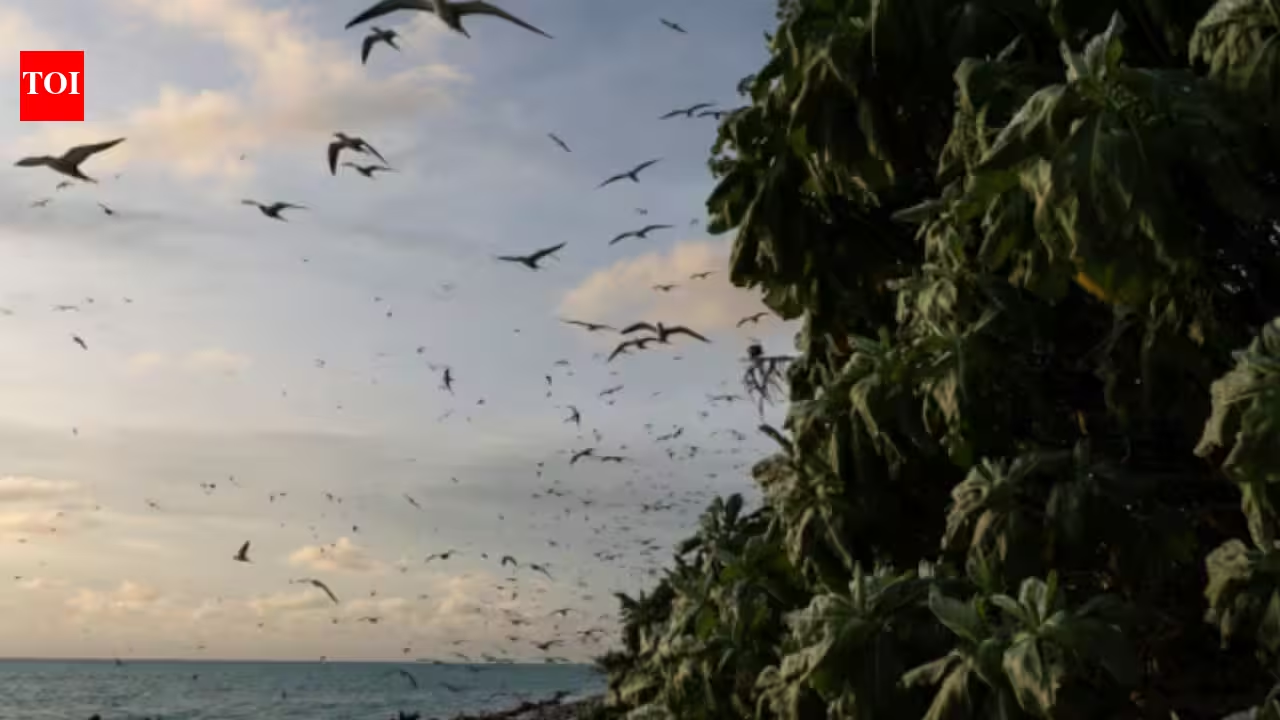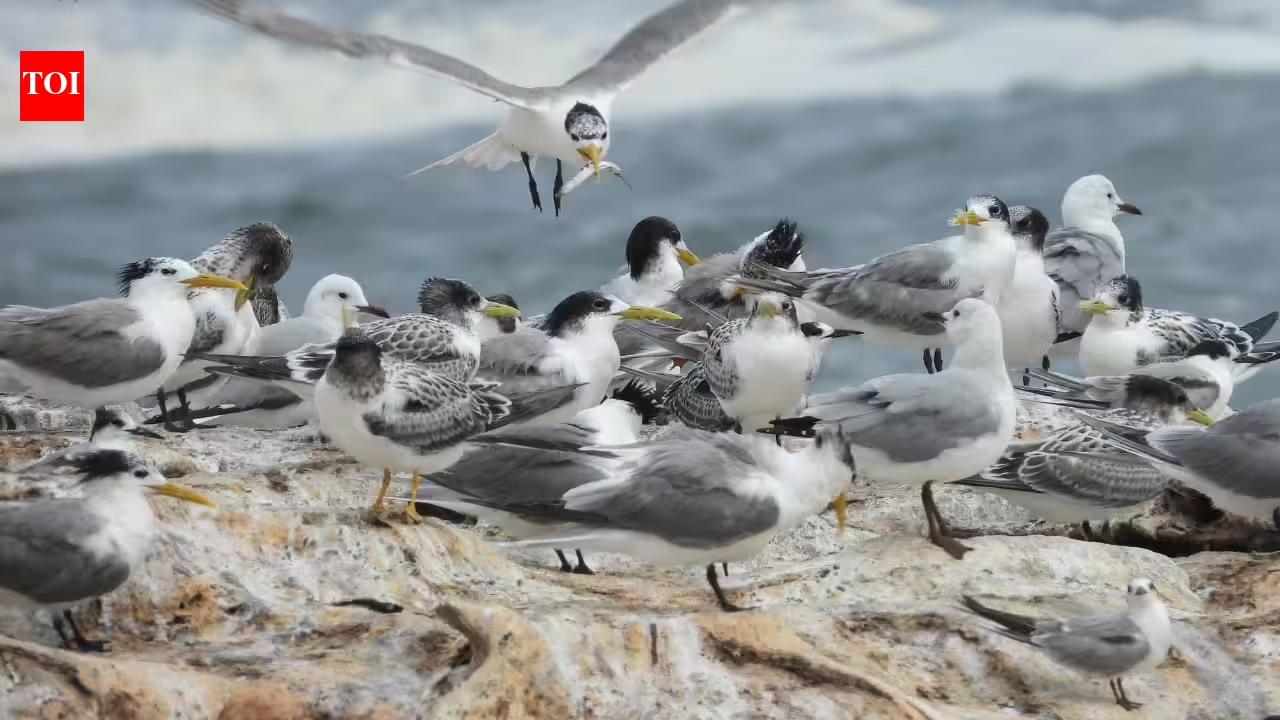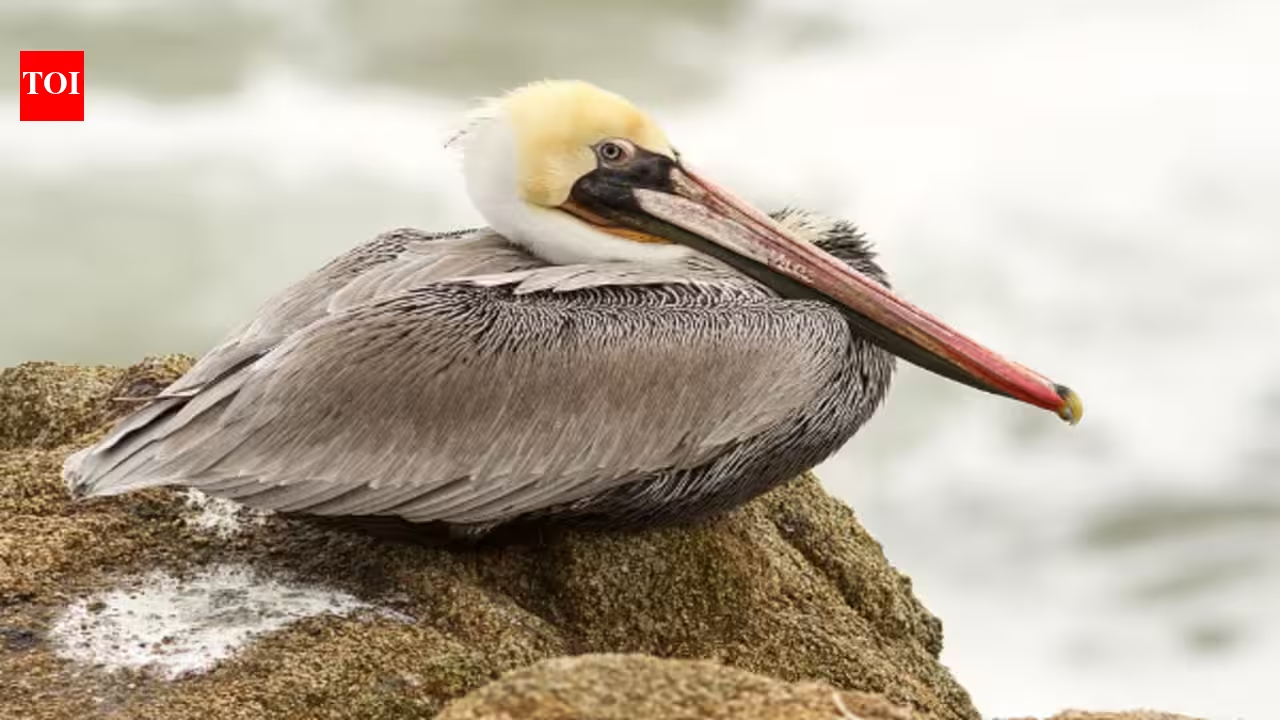
Brown pelican. Image credits: Wikimedia CommonsQueen Bess Island, located about 2.5 miles northeast of Grand Isle in Louisiana’s Barataria Basin, is the site of one of the more substantial coastal-bird restoration projects funded through the Deepwater Horizon settlement. Erosion and subsidence had reduced the island's suitable nesting habitat to less than five acres and the site was further damaged by the 2010 oil spill. By February 2020, an $18.7 million reconstruction project had expanded available nesting habitat to 37 acres and biologists documented 18 nesting bird species there during the very first season that followed.Erosion and subsidence left less than five usable acresQueen Bess has traditionally been one of the largest brown pelican rookeries in Louisiana, generating an estimated 15 to 20 percent of the total nesting population in the state. This is why the decline of Queen Bess drew concern. In addition to the subsidence and overwashing, the nesting surface available on the island had declined to less than five acres, despite the fact that the overall size of the island was larger. The Deepwater Horizon disaster caused further damage, oiling the area and placing it higher on the list of candidates for funding from the settlement.Conditions on Queen Bess at that time were later characterized by the U.S. Fish and Wildlife Service as "a mess," with a large number of oiled birds and chicks. Restoring the island would be historically important in addition to addressing the damage from the oil spill; the island was where brown pelicans established a colony after being translocated from Florida starting in 1968. The brown pelican stopped nesting in Louisiana in 1961 and had virtually disappeared from the state’s coastal wetlands by 1963, primarily because of DDT contamination.An $18.7 million project rebuilt the island between 2019 and 2020 The project, which was primarily funded via the Natural Resource Damage Assessment for Deepwater Horizon, involved the collaboration of the Louisiana Department of Wildlife and Fisheries and the Louisiana Coastal Protection and Restoration Authority, with the Louisiana Trustee Implementation Group providing the necessary approval. Construction started in November 2019, immediately after that year's nesting season ended and it was required to be completed within about five months prior to when the pelicans could be expected to return for nesting.According to NOAA's Gulf Spill Restoration Program, the project resulted in 30 acres of habitat for brown pelicans and wading birds and an additional seven acres of habitat allocated for nesting of terns and Black Skimmers. The project was helped by the expeditious Deepwater Horizon consultation and permitting processes, including the Endangered Species Act and the Magnuson-Stevens Act consultations. In addition, the report indicates that the collaboration with the U.S. Army Corps of Engineers helped in ensuring that the schedule for construction remained on track. Upon completion of the project in February 2020, available nesting habitat increased from less than five acres to 37 acres.Biologists recorded 18 nesting species in the first seasonWildlife return is the clearest measure of a restoration project’s success. According to a field update issued by the US Fish and Wildlife Service, there were 18 species of nesting birds observed on Queen Bess Island during the first year following the restoration efforts. Among the birds that returned to Queen Bess Island were tricolored herons, reddish egrets, roseate spoonbills, American oystercatchers, great egrets, snowy egrets, along with brown pelicans, for which this project was initially designed. Thousands of pairs of birds nested on this island, and according to this agency, it was one of the early and successful habitat restorations after the Deepwater Horizon disaster. Biologists also noted one unusual observation in the report. There was a brown pelican that was rescued during the Deepwater Horizon oil spill and fitted with a leg band bearing the identification number A04.Louisiana designated the island as a State Wildlife Refuge in 2019The improvements in the habitat that have been identified in Queen Bess are complemented by information provided by the Louisiana Department of Wildlife and Fisheries, which claims that Queen Bess serves as nesting habitat for around 10 different species of colonial waterbirds, compared to the 18 nesting species that were observed at Queen Bess during the first year after restoration in the above-cited FWS study. Further monitoring indicates sustained high use of the island: wildlife officials recorded approximately 30,000 birds there in 2023, including about 6,000 brown pelican nests. These numbers reflect different measurements obtained in different years and cannot be directly compared without knowledge of the methodology that has been used in both cases.Brown pelicans perch on boom at Queen Bess Island, Louisiana. Image credits: Wikimedia CommonsThe island’s nesting habitat expanded sevenfold during a single construction periodIn the case of Queen Bess, the area available for nesting expanded from less than five acres to 37 acres during the restoration project’s single construction window. In the following breeding season, biologists observed 18 nesting bird species on the island. This island had been losing land over decades before the 2019 reconstruction project, and the return of 17 species, along with brown pelicans, shows a strong response to habitat restoration and legal protection.
In 2019, Louisiana rebuilt Queen Bess Island for brown pelicans after oil-spill damage; that season, biologists observed 18 nesting bird species on 37 restored acres
Queen Bess Island, located about 2.5 miles northeast of Grand Isle in Louisiana’s Barataria Basin, is the site of one of the more substantial coastal-bird restoration projects funded through the Deepwater Horizon settlement. Erosion and subsidence had reduced the island's suitable nesting habitat to less than five acres and the site was further damaged by the 2010 oil spill.
845 words~4 min read