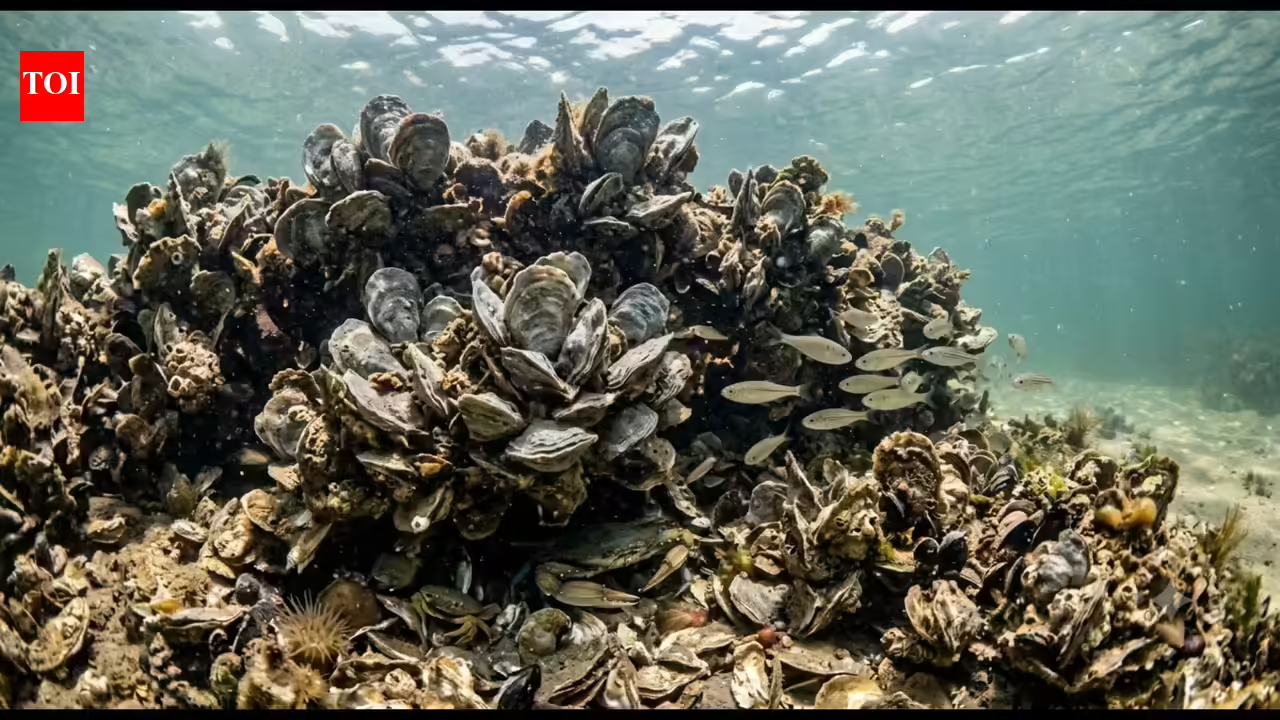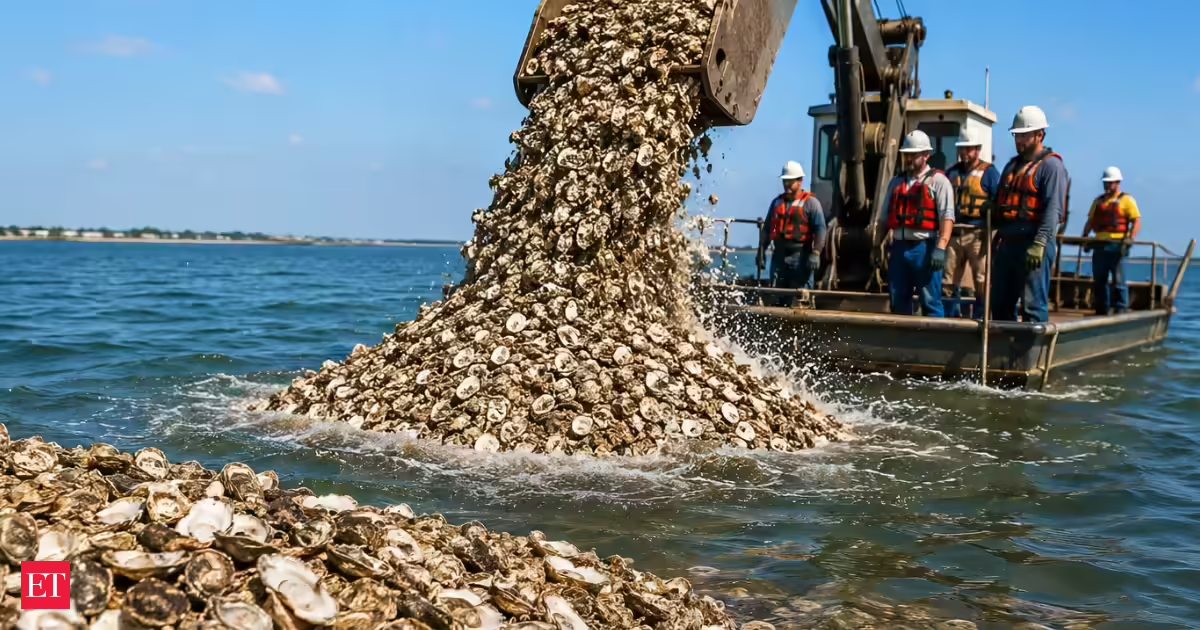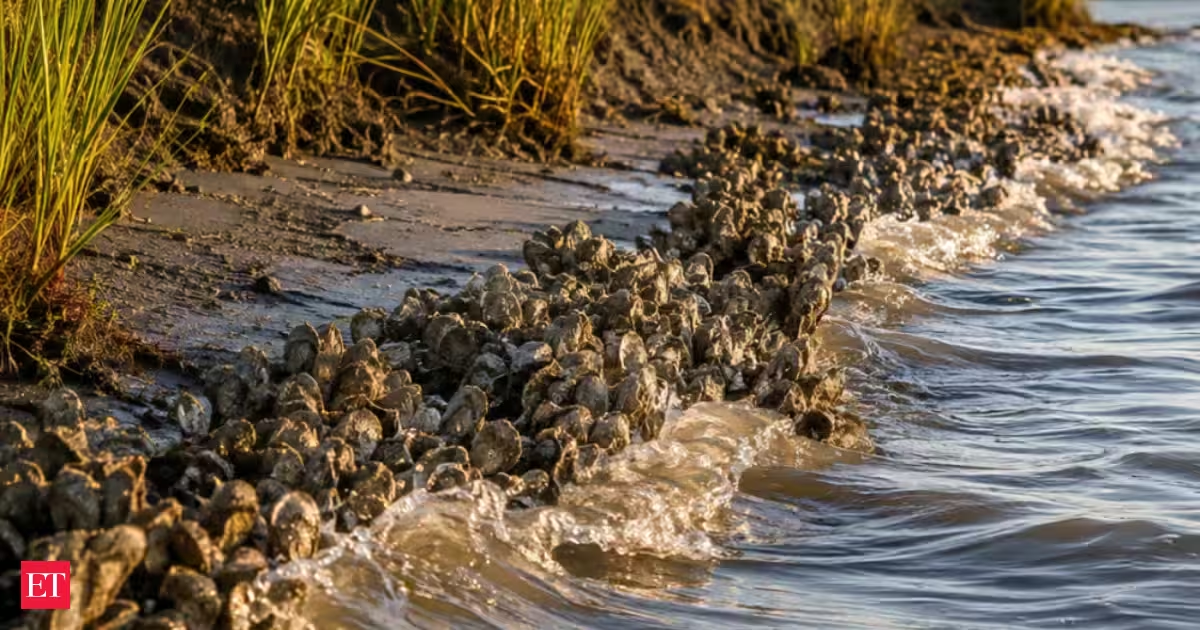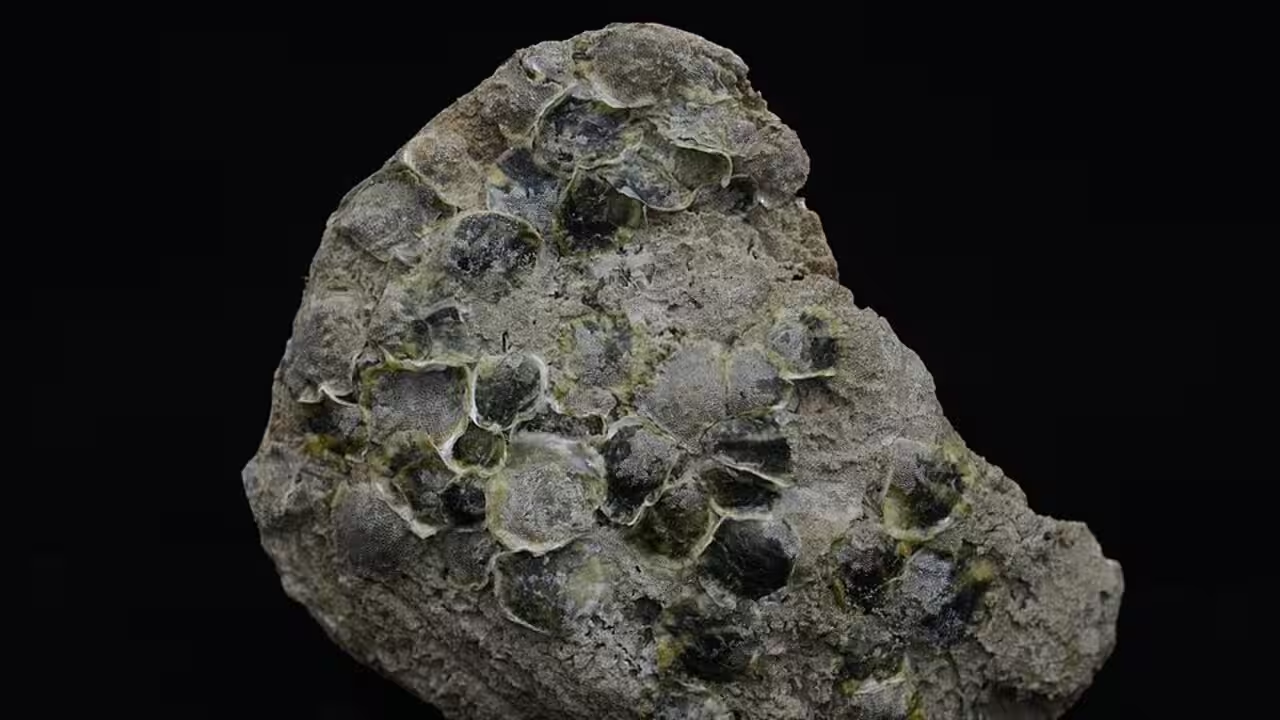
Recycled oyster shells are now used to build protective living reefs. These reefs absorb wave energy and reduce shoreline erosion effectively. Image Credit: Wikimedia CommonsIt appears to be a highly efficient nature-based approach to this environmental problem. The marshes that once protected coastal areas from erosion have gradually disappeared, making vast expanses of the state's coastline vulnerable to flooding. As reported by the U.S. Geological Survey, Louisiana has lost approximately 2,000 square miles (around 5,180 square kilometres) of its land since the 1930s, one of the fastest-disappearing coastlines in the world.In spite of this alarming situation, the Barataria Bay shoreline has received an innovative treatment. The shells of oysters, which used to be thrown in the dump after meals, are now gathered, cleaned, and returned to the shore to construct living reefs that serve as protection against erosion as well as a home for aquatic species. On the surface, it might seem like a simple idea. However, it has proved to be a highly efficient nature-based approach to the environmental problem.Why Louisiana is losing landThere are multiple reasons for the state's land loss rather than a single factor. As reported by the U.S. Geological Survey and Louisiana’s CPRA, levee construction along the Mississippi River over many decades has prevented sediment from replenishing the wetlands. However, climate change and rising sea levels, coastal erosion, increased storms, land subsidence, saltwater intrusion, and the history of oil and gas canals have contributed to the rapid disappearance of marshlands.Wetlands are crucial for protecting the coasts since they help to absorb waves, prevent flooding, and provide habitats for birds, fish, and shellfish. Thus, the disappearance of wetlands increases the risk of flooding and hurricane damage while also threatening fisheries.Louisiana faces significant land loss due to multiple environmental factors. Recycled oyster shells are now used to build protective living reefs. Image Credit: Wikimedia CommonsThe process by which old oyster shells are made into new reefsOne organisation tackling the problem is the Coalition to Restore Coastal Louisiana (CRCL) through its Oyster Shell Recycling Program. Restaurants in New Orleans and neighbouring areas collect their used oyster shells rather than discarding them. According to CRCL, collected oyster shells are cured before being returned to Louisiana waters for reef restoration.Once the shells are placed on the shoreline, they are arranged into reef structures that provide natural protection. This reef structure helps absorb wave energy, reducing erosion while also providing a hard surface for young oysters, called spat, to anchor and grow.Living barriers that become even more resilient with ageUnlike concrete barriers, oyster reefs consist of living ecosystems. According to the National Oceanic and Atmospheric Administration (NOAA), oyster reefs provide habitat for numerous marine species, improve water quality because oysters filter suspended particles from the water, and reduce wave energy that contributes to shoreline erosion.One adult oyster can filter large amounts of water per day under the right environmental conditions, and filtration rates depend on water temperature, salinity, and food availability. In addition, scientists have found that healthy oyster reefs can increase biodiversity, creating habitat for fish, crabs, and other marine life.Research shows oyster reef restoration worksThe positive environmental effects of oyster reefs are not limited to Louisiana. Restoring oyster reefs could improve shoreline resilience, biodiversity, and fisheries, making them another nature-based tool for coastal ecosystem restoration.Similarly, natural infrastructure such as oyster reefs, mangroves, and salt marshes is becoming increasingly important for adapting to climate change while preserving ecosystems. Despite the fact that oyster reefs alone will not prevent the disappearance of Louisiana’s land, scientists claim that they may become an integral part of larger restoration projects.An insignificant shell with a significant missionWhat Remains is a short documentary directed by Paavo Hanninen that follows the journey of recycled oyster shells in Louisiana's Barataria Bay, where they are used to restore oyster reefs and help protect the fragile coastline from erosion. In the film, viewers follow an oyster from harvest in Barataria Bay to being eaten in a local restaurant and finally being returned to the coast through CRCL’s recycling programme.Thus, the documentary shows how something once considered worthless can become valuable for environmental restoration. Because Louisiana has one of the highest rates of land loss in the United States, scientists say natural approaches are an important part of the solution. Although recycled oyster shells cannot solve decades of environmental change, they help build living shorelines that protect coasts and support wildlife.
Louisiana has lost about 2,000 square miles of coastal land since the 1930s, and recycled oyster shells are being used to build reefs that help slow erosion
It appears to be a highly efficient nature-based approach to this environmental problem. The marshes that once protected coastal areas from erosion have gradually disappeared, making vast expanses of the state's coastline vulnerable to flooding.
730 words~3 min read