Hand-on test of radarhq.io K8S UI and dashboard on a macOS with Minikube and Podman
Introduction
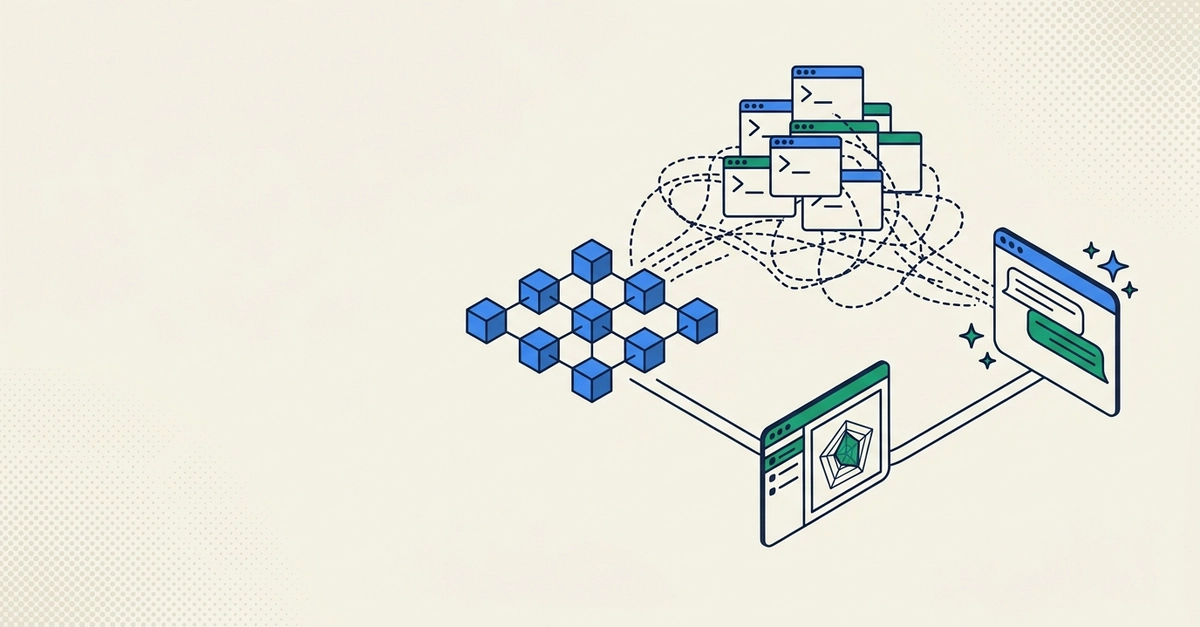
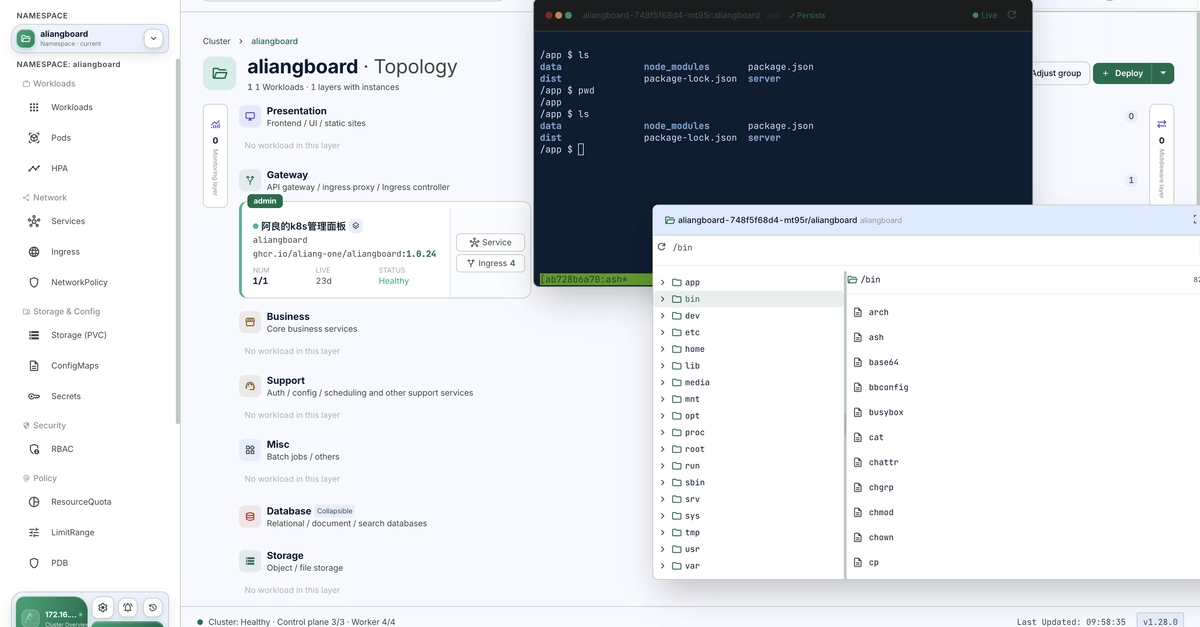
Kubernetes dashboards are often either overloaded with unnecessary complexity or too minimalist to provide deep operational context during an outage. Radar (radarhq.io) takes a refreshingly modern approach. It not only delivers a clean visual cluster dashboard but also natively integrates a Model Context Protocol (MCP) server.
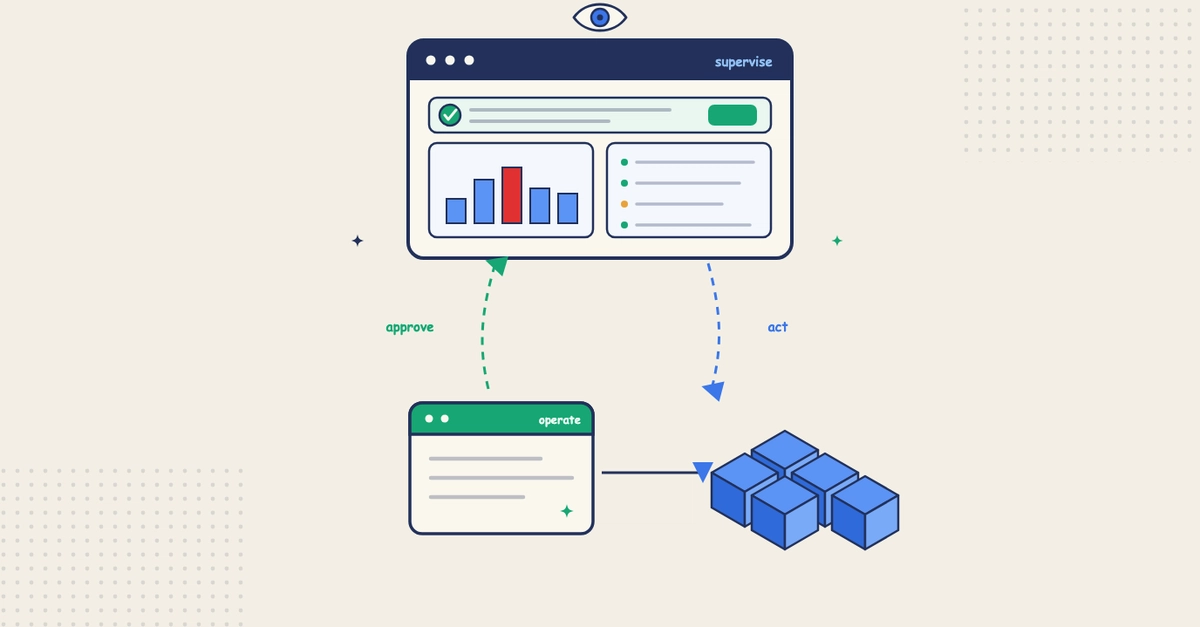
By exposing cluster state — deployments, pods, topology, live operational issues, and logs — via MCP, Radar allows external clients, CLI tools, and AI agents to programmatically query and analyze Kubernetes workloads without direct, high-privilege access to the raw Kubernetes API.
In this blog post, I explore an end-to-end testing environment for Radar. I tested the overall system architecture, set up a sample Go workload (hello-k8s), inspect a Fyne-based GUI desktop client, and run an autonomous 7-step ReAct agent that performs cluster diagnostics over MCP.