Monad, the high-performance EVM-compatible Layer-1 blockchain, has published a draft Monad Improvement Proposal that rethinks how wallet authentication works from the ground up. The core idea: decouple your account’s authentication method from its address, so you can rotate, replace, or upgrade your keys without ever changing your wallet address.
What the proposal actually does
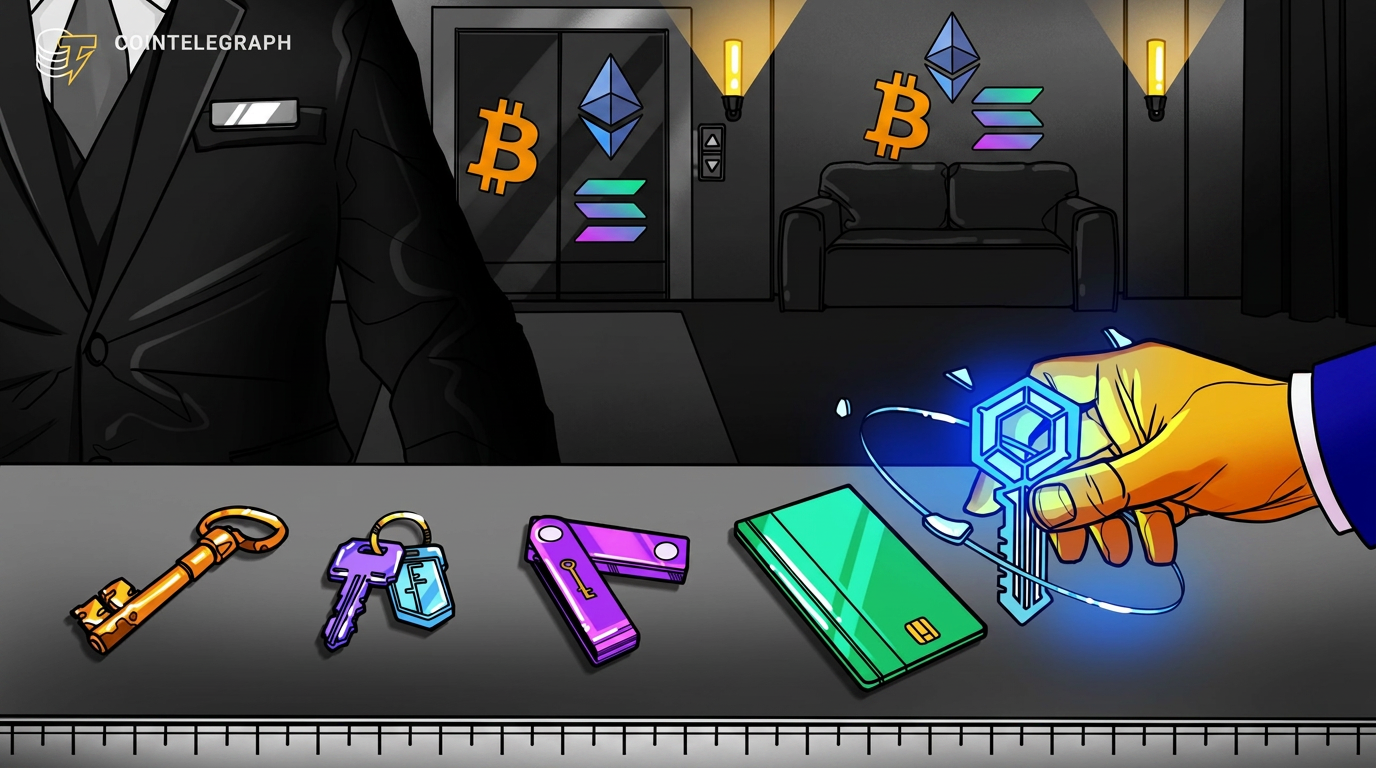
Authored by Kushal Babel and Jan Camenisch, the MIP introduces a flexible authentication layer that separates how you prove you own an account from how that account’s address is derived. Users would be able to change, add, or retire authenticators, including private keys, while their fixed 20-byte address stays constant. No asset migration, no updating every protocol and contact with a new address, no starting from scratch.
The system supports a range of signature schemes. Legacy secp256k1 ECDSA (the standard Ethereum uses today) remains compatible, but the proposal also opens the door to P-256, Ed25519, and critically, ML-DSA, a post-quantum cryptographic standard.
Key management runs through a new component called the AuthConfigManager precompile. Swapping or rotating keys requires proof of possession and takes effect after a 3-block execution delay, a brief waiting period designed to prevent instant hostile takeovers of accounts.