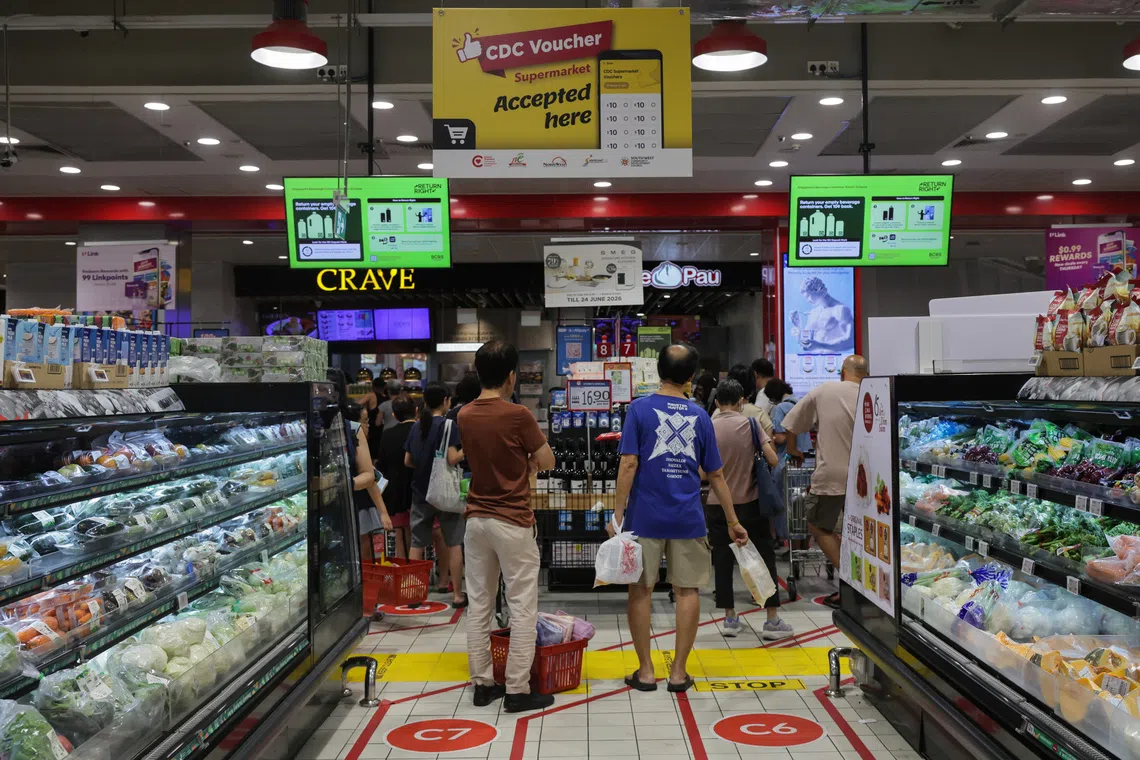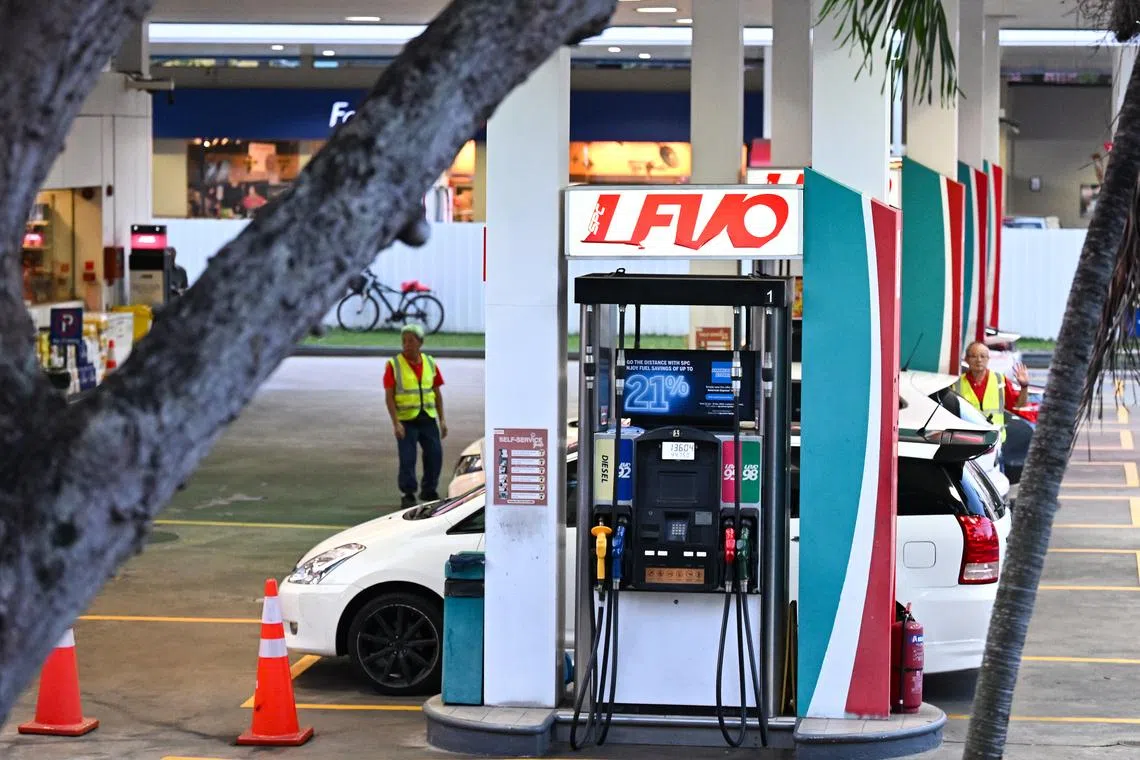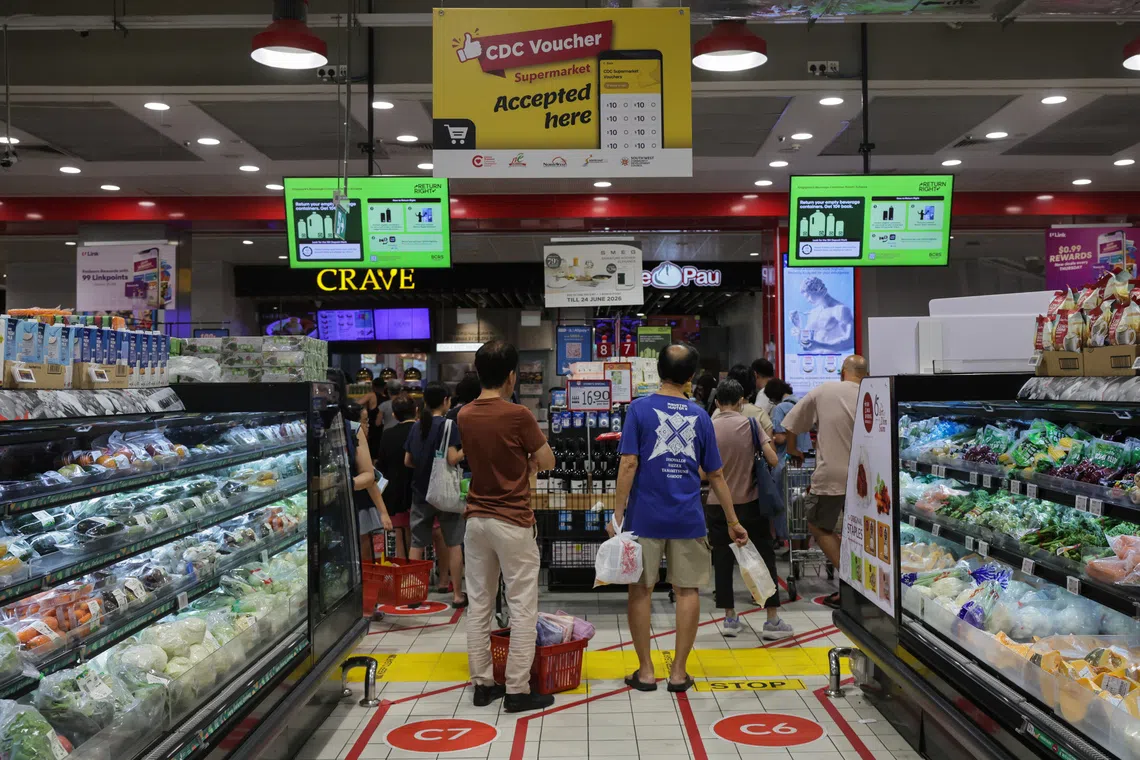
SINGAPORE – Singapore’s core inflation rose in July, driven by a sharp rebound in utility prices alongside rising service fees and food prices.Core inflation – which excludes private transport and accommodation to better reflect household expenses – came in at 2 per cent in July, up from 1.6 per cent in June, according to the Singapore Department of Statistics (SingStat) on Aug 24.That was the fastest pace since October 2024 according to SingStat data, but below the median estimate of 2.2 per cent in a Bloomberg survey.Overall inflation was 2.2 per cent in July, up from 1.9 per cent in June, due to an increase in accommodation inflation alongside higher core inflation.Electricity and gas prices reversed a 2.9 per cent decline in June to rise 8.7 per cent in July, mainly due to the increase in the regulated electricity tariff in July.“Elevated global energy prices have led to increases in Singapore’s electricity and gas tariffs and higher transportation fares,” the Monetary Authority of Singapore (MAS) and Ministry of Trade and Industry (MTI) said in a joint statement on Aug 24.“Global oil prices remain high and volatile while adverse weather conditions are expected to lower agricultural yields and raise Singapore’s imported food prices.“As higher input costs pass through global supply chains, the prices of a wider range of Singapore’s imported goods and services are expected to pick up in the quarters ahead.”Zavier Wong, market analyst at trading platform eToro, noted that the higher electricity tariff since July was benchmarked against gas prices from April to mid-June, when disruptions in the Strait of Hormuz had sent energy prices higher.“That tariff hike is the steepest quarterly rise we’ve seen in years, which begs the question of whether households have enough room to absorb it,” he added.“MAS will have to weigh that against how much further it can tighten (monetary policy) without choking off consumption altogether.”Food inflation edged up to 2.2 per cent in July, from 2.1 per cent in June, because the prices of food services and non-cooked food increased at a faster pace.Private transport inflation slowed to 8 per cent in July, from 8.4 per cent in June, as the pace of increase in petrol and diesel prices moderated.Retail and other goods inflation eased to 1.4 per cent in July, from 1.7 per cent in June, due to lower inflation in furniture and personal care products.Higher housing rents and maintenance fees pushed accommodation inflation to 0.8 per cent in July, from 0.6 per cent in June.Services inflation rose to 1.7 per cent in July, from 1.5 per cent in June, as airfares and point-to-point transport services prices increased at a quicker pace.MAS and MTI maintained their forecasts made in April that overall and core inflation in 2026 will average 1.5 per cent to 2.5 per cent.eToro’s Wong said that core inflation is now around the middle of the full-year forecast range, although risks remain skewed to the upside.“I don’t think July will mark the peak, although the next electricity tariff reset should reflect calmer gas prices, which should ease some of that pressure,” he said.“At the same time, the renewed US naval blockade of the Strait of Hormuz and ongoing escalation have put fresh cost pressures back on the table even before that relief arrives.“The key question is whether these pressures feed through in time for MAS’ October review, or only after it,” he added.Edward Lee, Standard Chartered chief economist and head of foreign exchange for ASEAN and South Asia, noted that while inflation rose in July, the increase was “smaller than expected”.“The more hawkish tone of the inflation statement largely mirrors the messaging in the July monetary policy statement rather than signalling a material policy shift,” he said.As a result, the latest data does not alter Standard Chartered’s expectation of an October policy hold, although there remains a risk of a “very modest further tightening”, Lee added.
Singapore’s core inflation rises to 2% in July as electricity prices surge
This was driven by surging electricity prices, higher food costs and increased service fees, signalling ongoing inflationary pressures. Read more at straitstimes.com. Read more at straitstimes.com.
646 words~3 min read