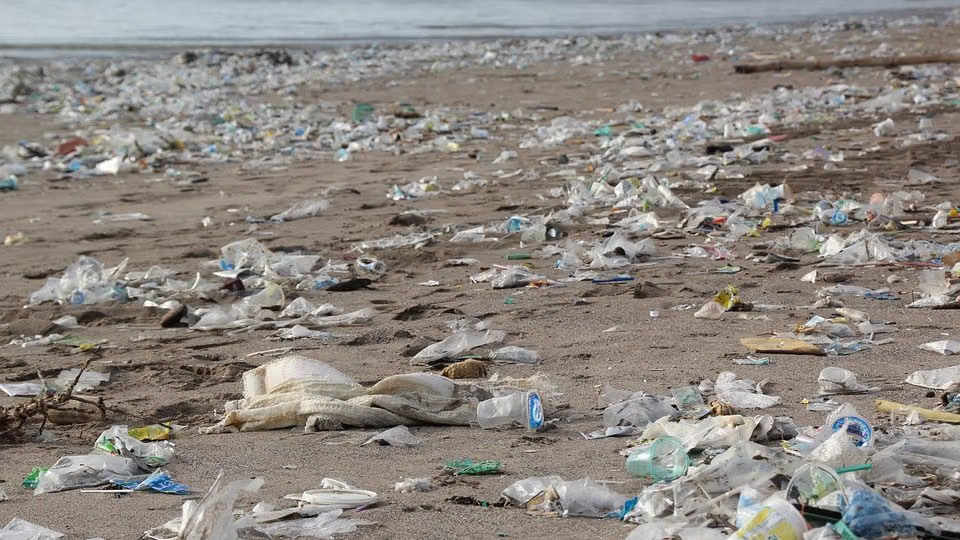
A new form of colonialism
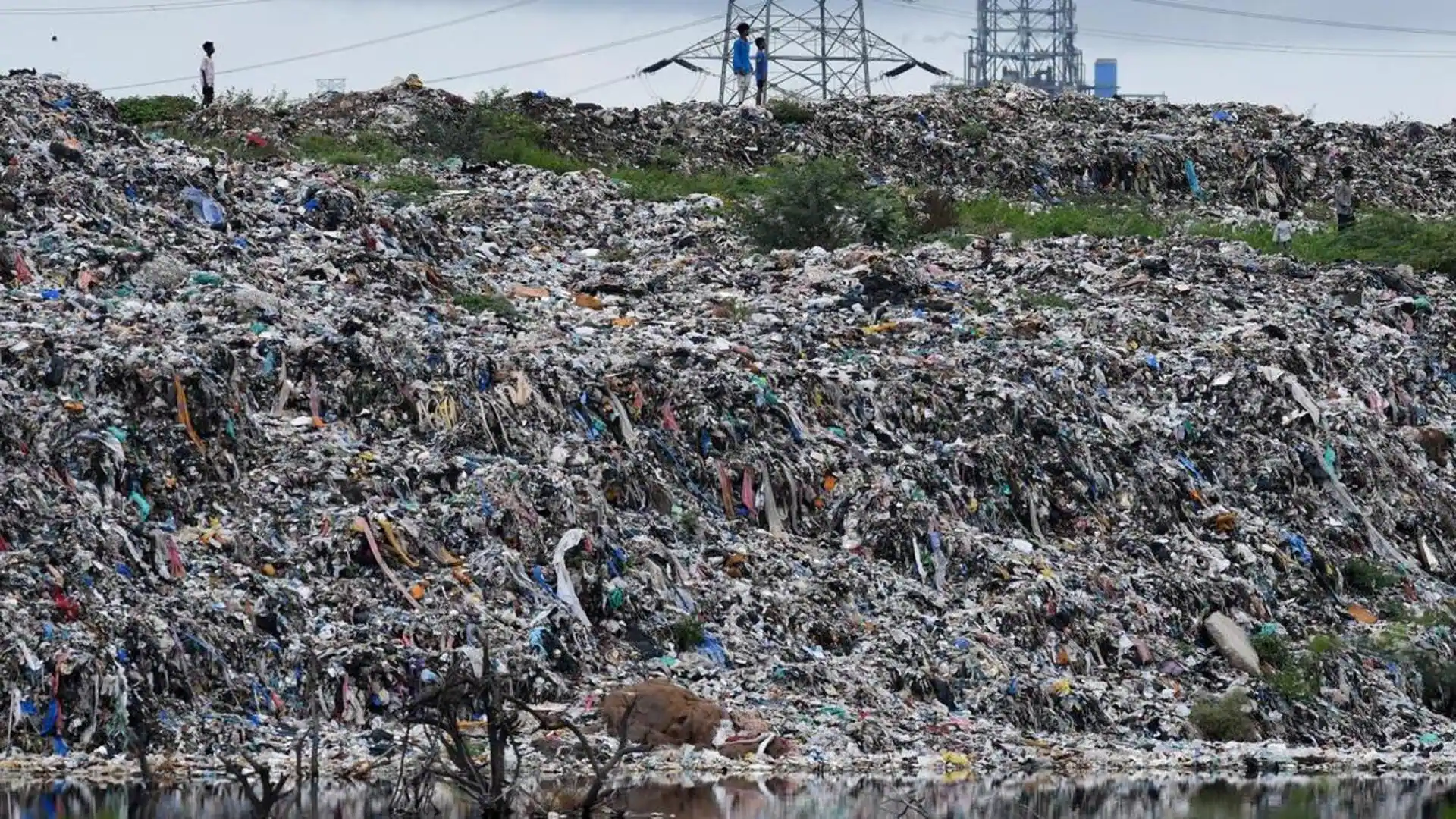
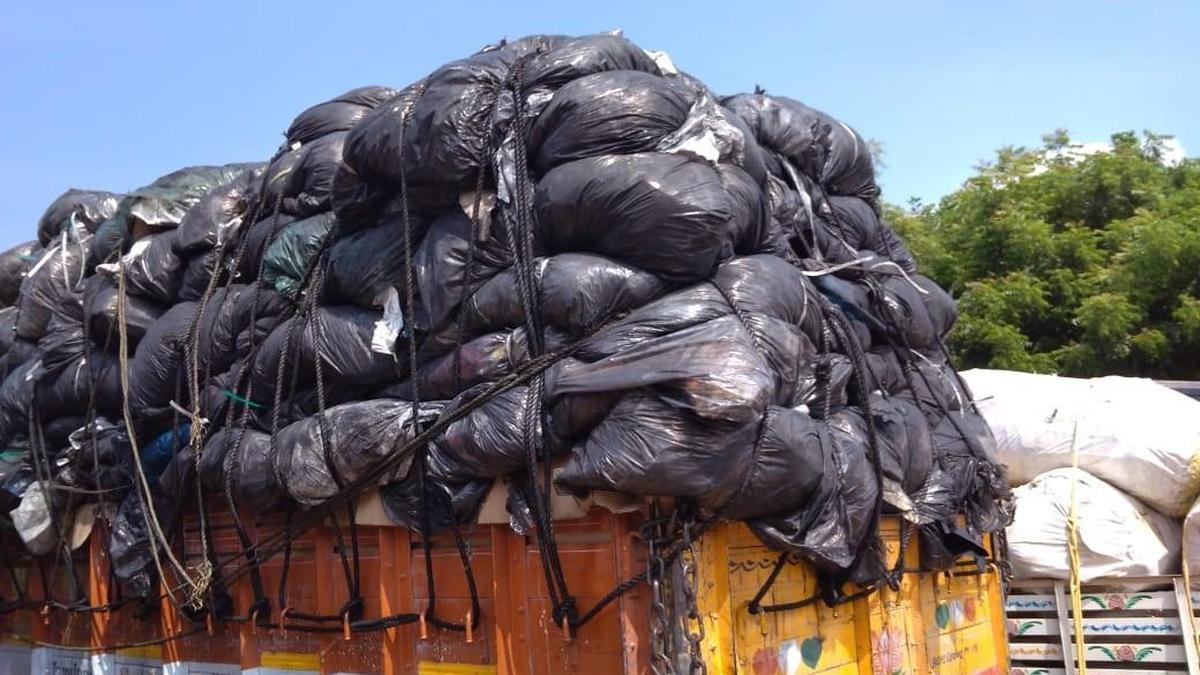
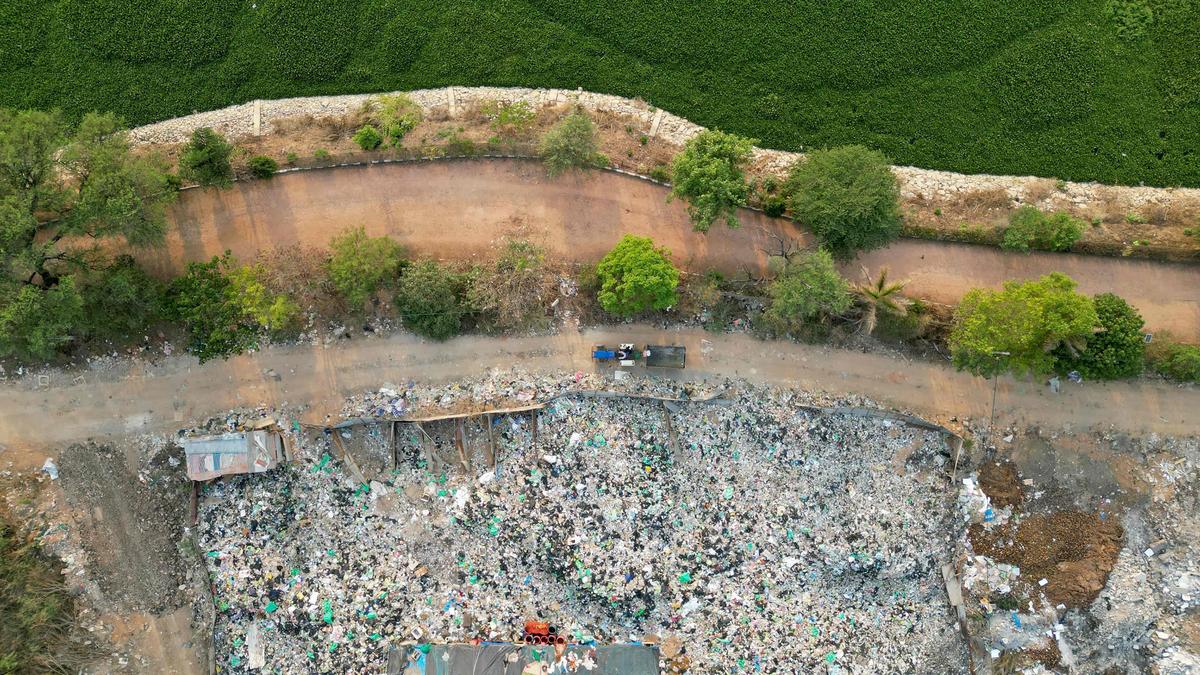
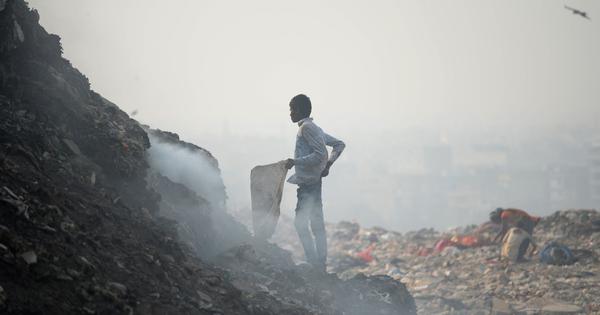
In a landmark judgment in M/s Sripathi Paper and Boards (P) Ltd v Commissioner of Customs, the Madras High Court held that “knowingly importing solid waste into India constitutes an aggravated form of ‘Deshdroh’ and endangers sovereignty.” Further, the judgment clearly states that this practice of “waste colonialism” allows developed countries, “either directly or through unscrupulous exporters”, to dump toxic and hazardous waste and “shift the burden of disposal” to “developing nations or [the] Global South, thereby externalising the environmental and social costs associated with such waste”.Eighty years after breaking free from the shackles of colonialism in the traditional sense, India is now confronting the dangers of a new kind of colonialism — waste colonialism.This judgement should be a wake-up call to all generations from Gen Alpha to Gen Z, i.e all generations collectively who are not just consumers but are also researchers, creators, and entrepreneurs. This generation of leaders should actively engage to solve the problems of the day. This landscape should reflect the nature and its impact on the future of humanity.I pray that the activists who have been taking up cudgels against development projects that they believe will affect the environment, and those working towards Viksit Bharat, instead create awareness and activism against this extremely toxic form of environmental degradation — one whose consequences we may not be able to reverse.Facts of the case