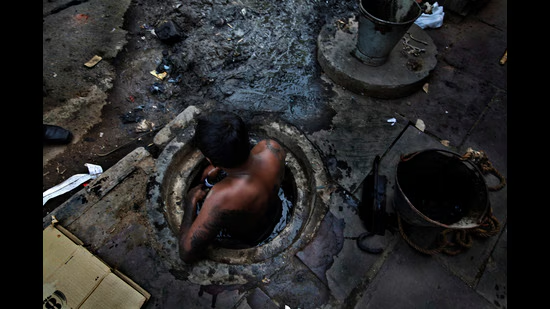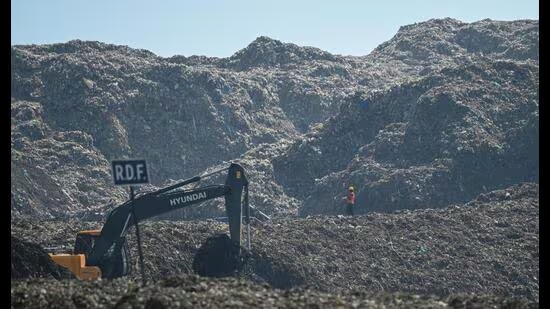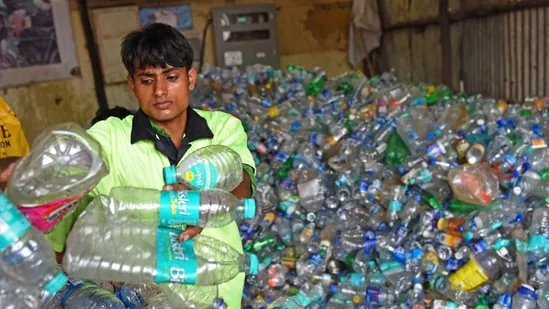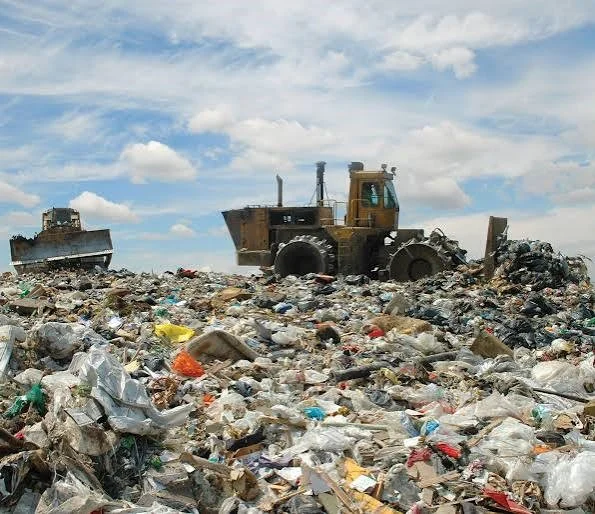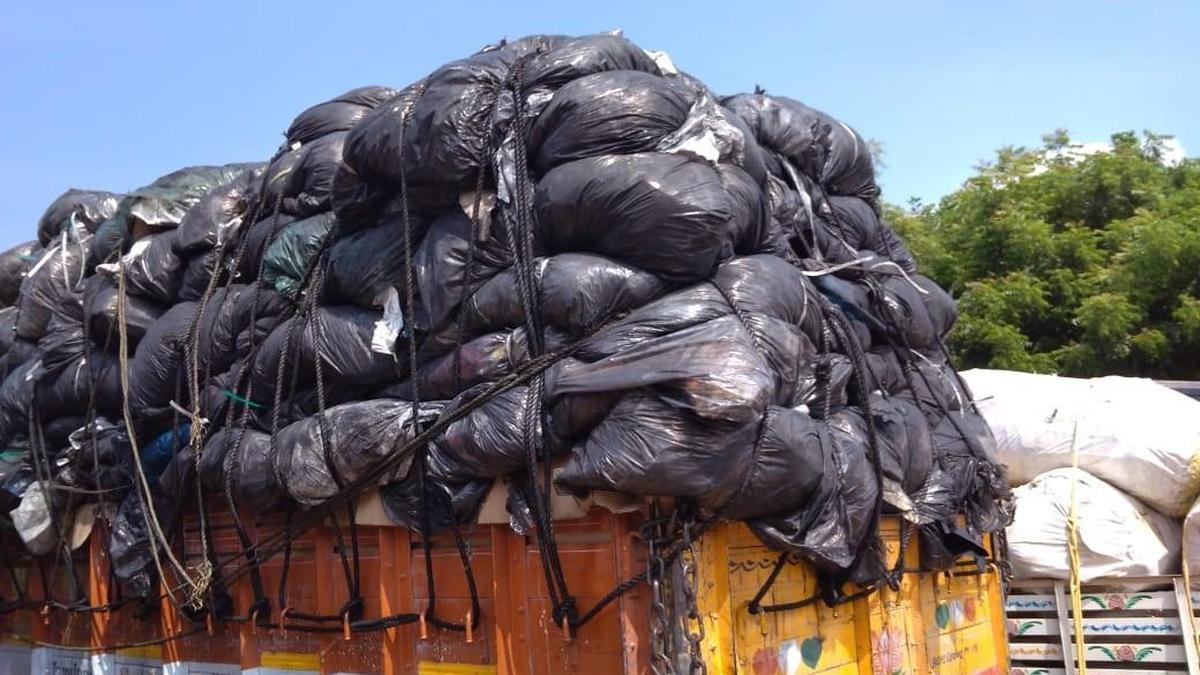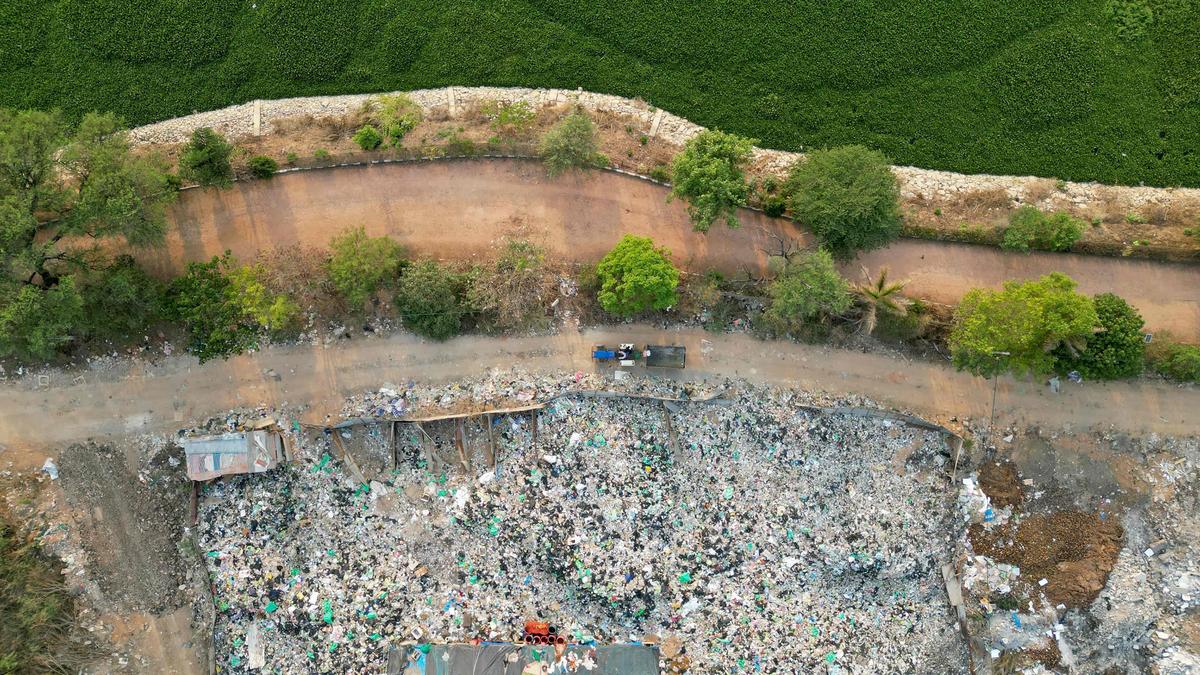
India’s waste crisis is no longer a localised urban nuisance but a national ecological emergency. Our cities are choking on waste; plastic-clogged drains worsen monsoon flooding; landfills have become mountains of methane, fire, and leachate; open burning of materials fouls the air; and rivers and coasts bear the burden of urban negligence. Rural India, too, is scarred by plastic, sanitary waste, pesticide containers, e-waste, and the debris of packaged consumption. A new waste-management framework was essential in this scenario.
The Solid Waste Management Rules, 2026, notified in supersession of the 2016 Rules and brought into effect from April 1, 2026, are animated by a legitimate and urgent environmental purpose. They seek to improve source segregation, regulate bulk waste generators, promote scientific processing, reduce dependence on landfills, remediate legacy dumpsites, promote a circular economy, and move towards digital monitoring. These are worthy aims. But sound environmental intent does not, by itself, ensure sound administrative design.