Efforts to eliminate a dangerous hands-on approach to sanitation are moving slowly.
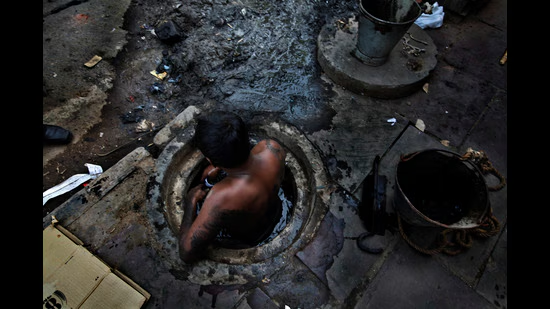
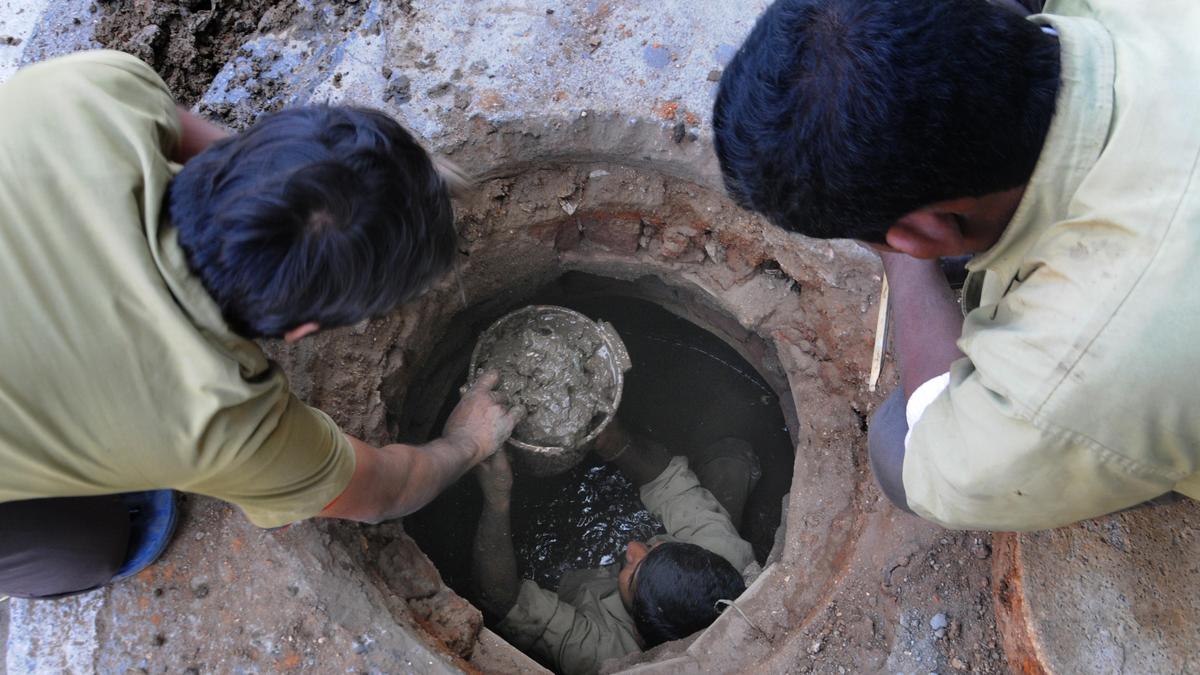
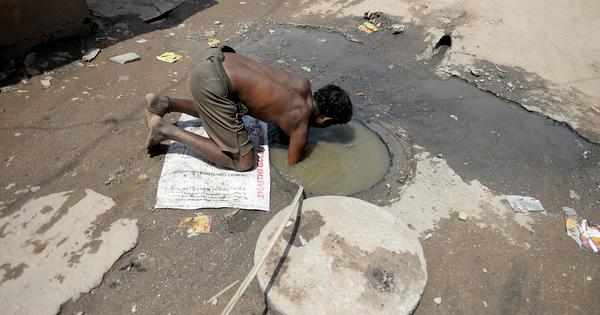
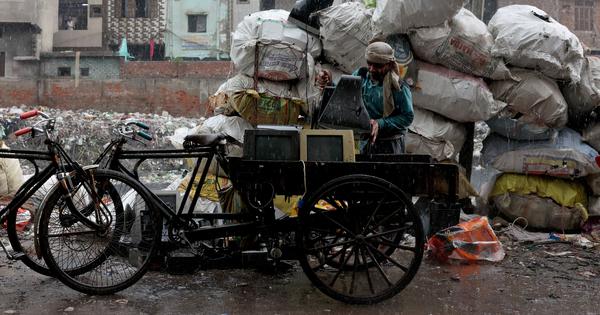
When Jitender was a child in New Delhi, both his parents worked as manual scavengers—a job that involved clearing the city’s sewers of solid waste by hand. Now, he is among almost 200 contractors involved in the Delhi government’s effort to shift from this manual process to safer mechanical methods.
Although it has been outlawed since 1993, manual scavenging—the practice of extracting human excreta from toilets, sewers, or septic tanks—is still practiced widely in India. The work is usually done by people who belong to what are considered the lowest castes, known as the Scheduled Castes or Dalits. Not only is the job undignified, but it can be extremely dangerous: People who enter clogged sewers to clean them face the risk of asphyxiation from exposure to toxic gases like ammonia and methane. According to data presented in the Indian parliament, manual scavenging was responsible for more than 500 deaths between 2018 and 2023.
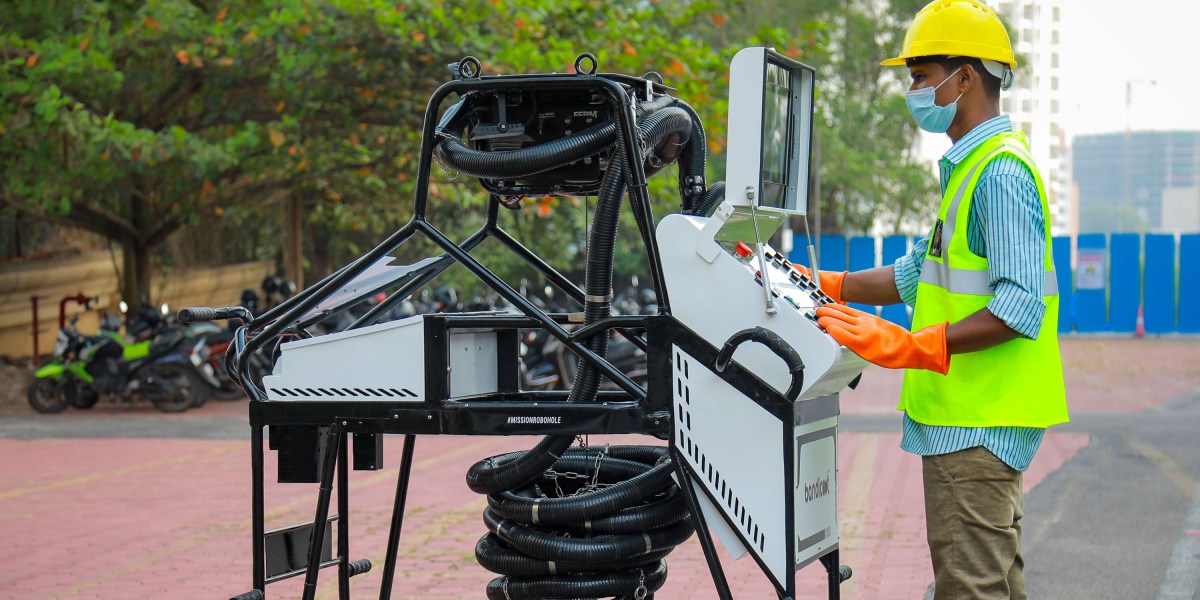
Several companies have emerged to offer alternatives at a wide range of technical complexity. For example, Genrobotics, based in Kerala, has developed the “Bandicoot Robot” (shown above), a mechanical scavenger that features robotic legs, night-vision cameras, and the ability to detect toxic gas. Researchers at the Indian Institute of Technology in Chennai have developed a robot for septic tanks that has a suction mechanism to pump out the slurry.