By
August 24, 2026 / 8:57 PM EDT
/ CBS News
Add CBS News on Google
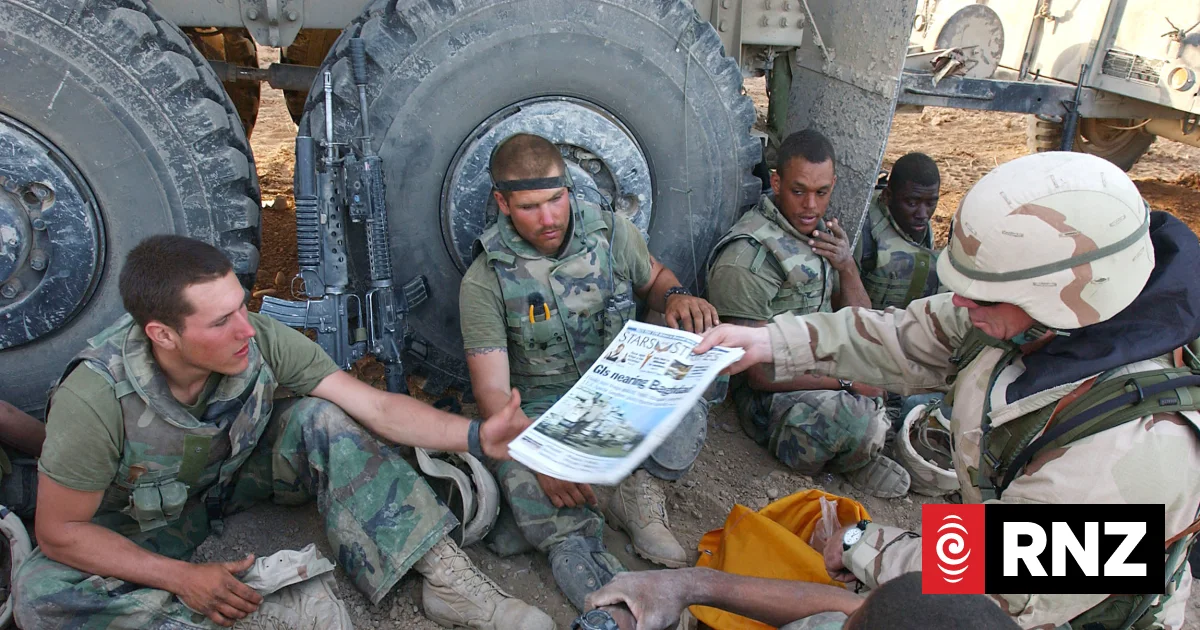
Days after his sudden firing by the Pentagon, the former editor-in-chief of Stars and Stripes told CBS News that "time will tell" whether the military newspaper will remain editorially independent from the government agency it covers. The Defense Department delivered termination notices last week to Stars and Stripes Editor-in-Chief Erik Slavin, publisher Max Lederer and Middle East reporter Lara Korte, accusing them of insubordination. The dismissals raised questions about the future of the paper, which is partly funded by U.S. taxpayers but has historically operated independently.In an interview Monday on CBS News' "The Takeout with Major Garrett," Slavin called the termination notice a "real shock" and a "very unexpected" development. Slavin had worked at the Stars and Stripes for just over two decades, serving as a reporter and bureau chief before being promoted to editor-in-chief last fall.The stated reason for his firing, Slavin said, was his appearance last month in a "CBS Sunday Morning" report on the Trump administration's push to overhaul Stars and Stripes. Slavin was asked if there were any lines that he would not cross, and he said a demand from the military not to publish a "perfectly accurate story" would be a "red line."On Monday, Slavin called those comments a "hypothetical response, in my personal opinion, as to what would be my red line. And I described censorship, which I believe to be in line with Department of Defense regulations and the law itself."Stars and Stripes was first published during the Civil War, and in recent decades, the paper has prided itself on its editorial independence — meaning the federal government does not dictate what it can and can't publish.Roughly half of Stars and Stripes' $29 million annual budget comes from taxpayers, a person familiar with the newspaper's operations told CBS News last week. Readership has declined since its peaks during the Vietnam War, the Cold War and World War II, according to two U.S. officials, but an average of 1.4 million people see Stars and Stripes each day. Print editions overseas also reach service members in remote locations.