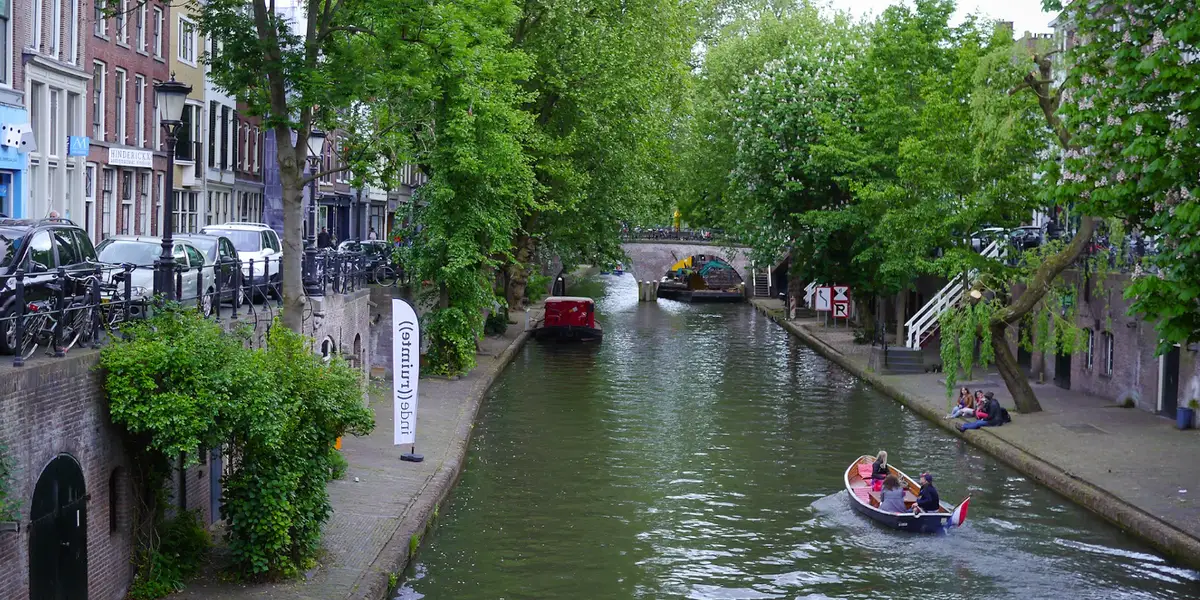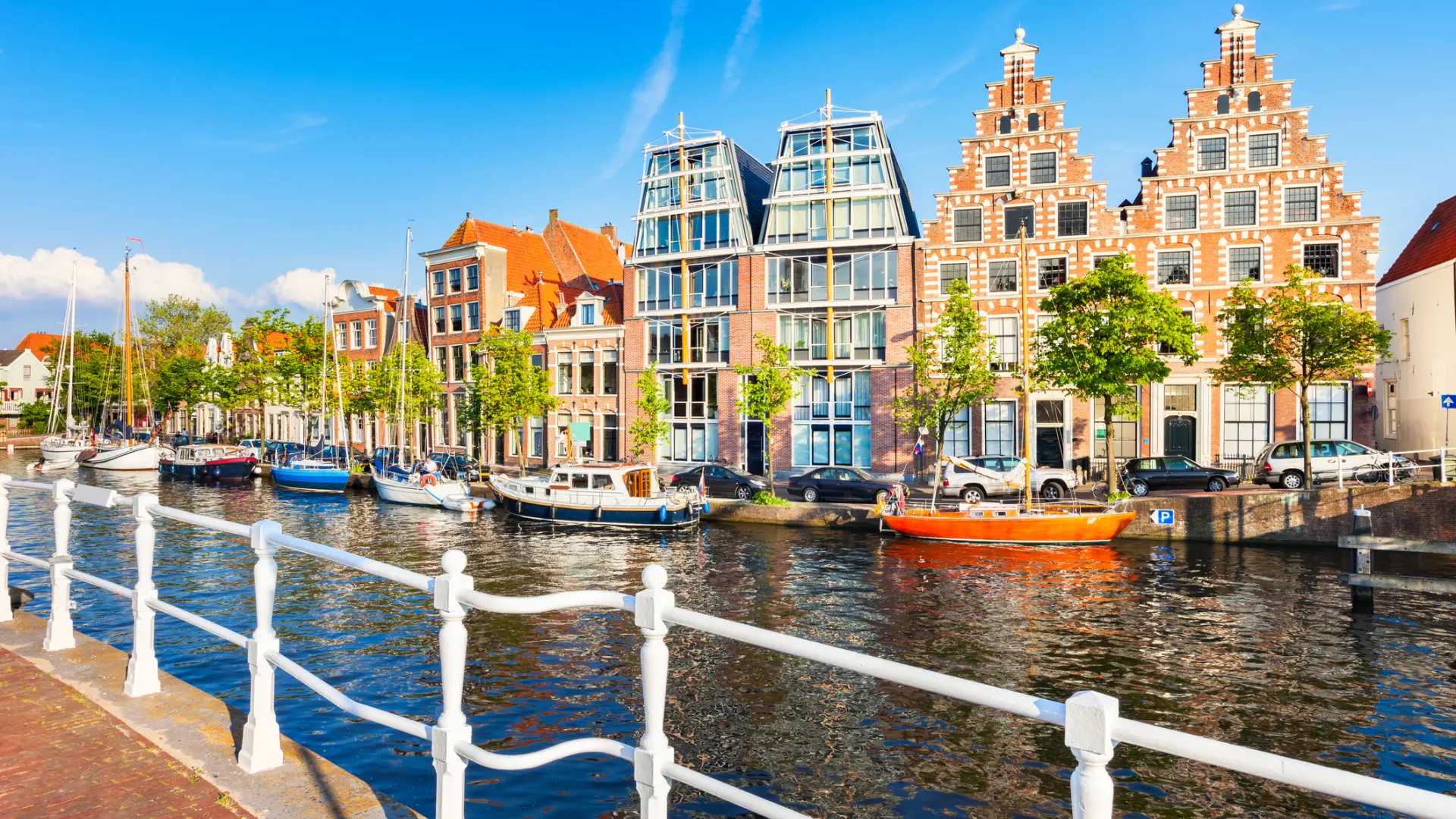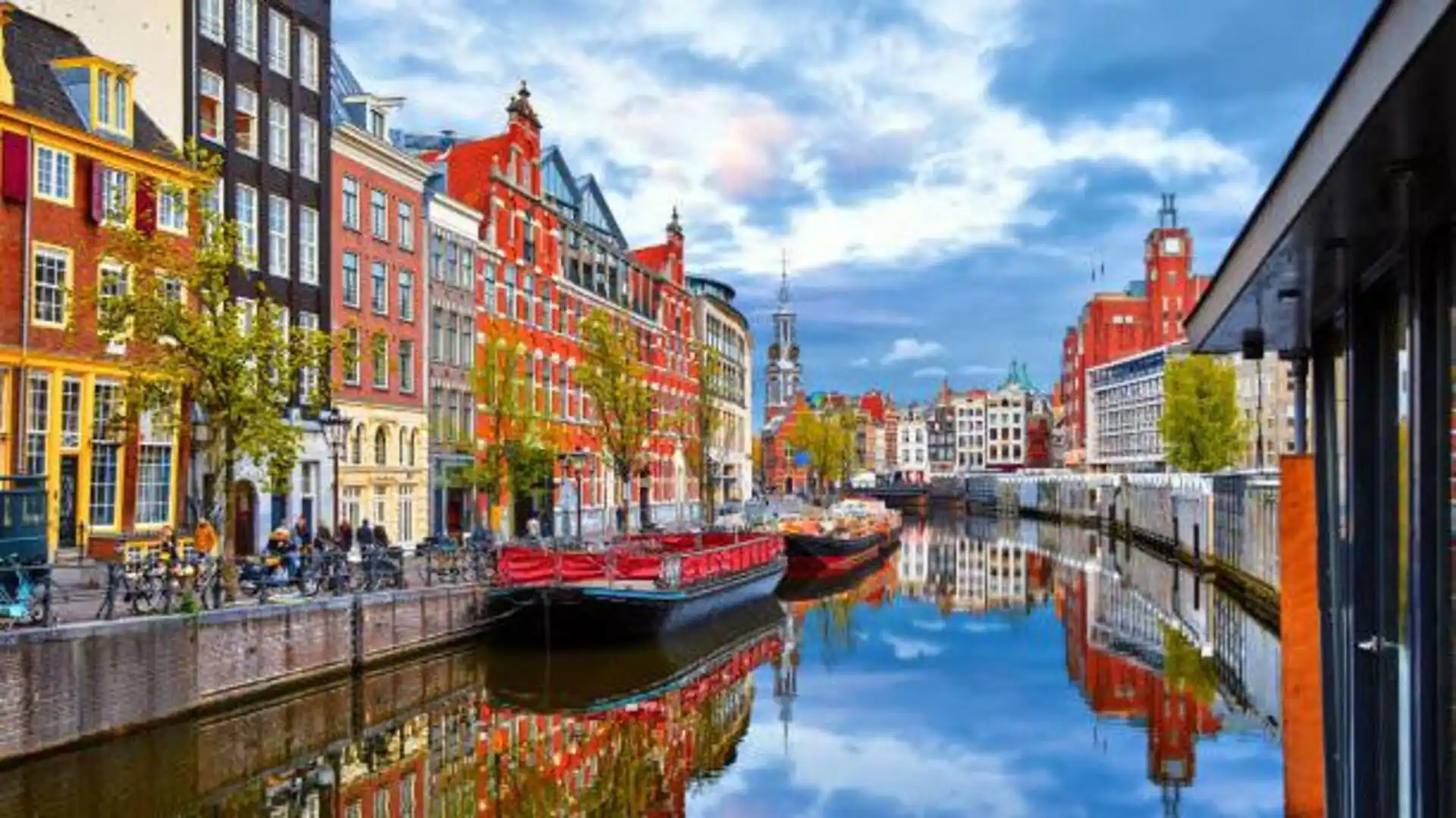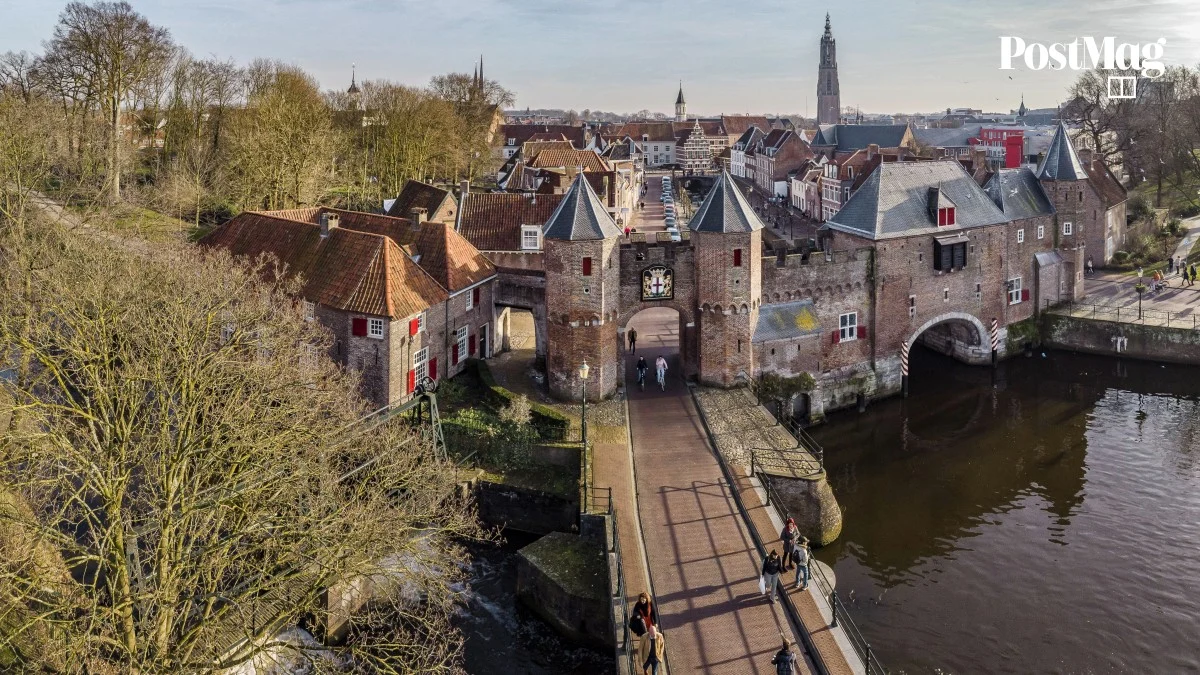
It would be odd to visit the Netherlands without spending time in Amsterdam, the canal-laced city of slender, leaning houses in patterned brick with their toothy stepped gables, famous for its Rembrandts and Van Goghs, and for action-movie speedboat chases along its waterways and under narrow humpbacked bridges.Some visitors are attracted less by this culture than by the city’s cheerful open-mindedness; sex workers on display in windows among everyday shopping in a central red-light district and marijuana that was available in cafes for decades before deregulation became fashionable anywhere else. It’s also pleasant just to take a canal-side bench with a lunch of pickled herring, stroopwafels, or chips with peanut-butter sauce, and watch the boats and bicycles go by.However, faced with up to 20 million tourists a year, the city’s 950,000 residents would increasingly like you to consider alternatives, or at least to spread out a bit. It’s not as if the Netherlands’ culture and history stop dead at Amsterdam’s periphery. Within a short train ride (the only kind here; anything more will take you to Belgium or Germany), there are what seem like little bits of Amsterdam that have broken off and floated away. These also have centuries-old tottering houses, ancient churches, canals and the same generally welcoming atmosphere, but each with its own individual style.Amersfoort’s canal-side roadways are blissfully calm. Photo: ShutterstockAmersfoort, for example, was once made prosperous by beer and textiles, as well as its location on the navigable Amer river, later renamed the Eem, but now is a backwater half an hour away from Amsterdam by frequent train. It’s a concentrated and walkable pocket of Dutch culture ancient and modern, best viewed not as a checklist of sights but as a souvenir-shop-free town where ordinary life goes on in a historic setting. Wandering is a pleasure in itself.From Amersfoort Centraal station, it’s a 15-minute walk to the largely pedestrianised Old Town and a landmark that can be seen from some distance away, the 98-metre (321 feet) Gothic Onze Lieve Vrouwetoren, or “Tower of Our Lady”. This solitary finger of reddish brick, built in the 15th century, its accompanying chapel long vanished, rises in steps that change to carved grey stone topped with a shining golden cockerel. From the top, if you can manage the 346-step climb, there are views over the town centre’s labyrinth of narrow streets. But there’s as much pleasure in relaxing with something restorative at a cafe, bar or restaurant in the small square at its base, taken while listening to the sound of the bells reverberating around the ancient facades as the tower’s clock strikes the quarter-hour, the half-hour or the hour.In one corner of the square, the 16th century Kapelhuis (“Chapel House”) is a reminder of when Amersfoort was a major destination for pilgrims, attracted by a supposedly miracle-working stone statue of the Virgin Mary that once perched here. But the continuing survival of the seemingly flimsy stepped frontage, its brickwork in herringbone and circular decorative patterns, seems miracle enough.The Tower of Our Lady looms over Amersfoort’s De Hof square. Photo: ShutterstockA little further down the narrow Lieve Vrouwestraat is antiquity of a more domestic nature, in a pair of equally diminutive half-timbered houses that also date from the 16th century, framed in stridently red-painted wood, with dark green shutters.
Amersfoort: the tourist-free Dutch city that feels like a mini Amsterdam
Just 30 minutes from the crowded capital, this historic town offers medieval wall houses, art heritage and vibrant everyday life without the tourist masses.
549 words~2 min read