August 25, 2026
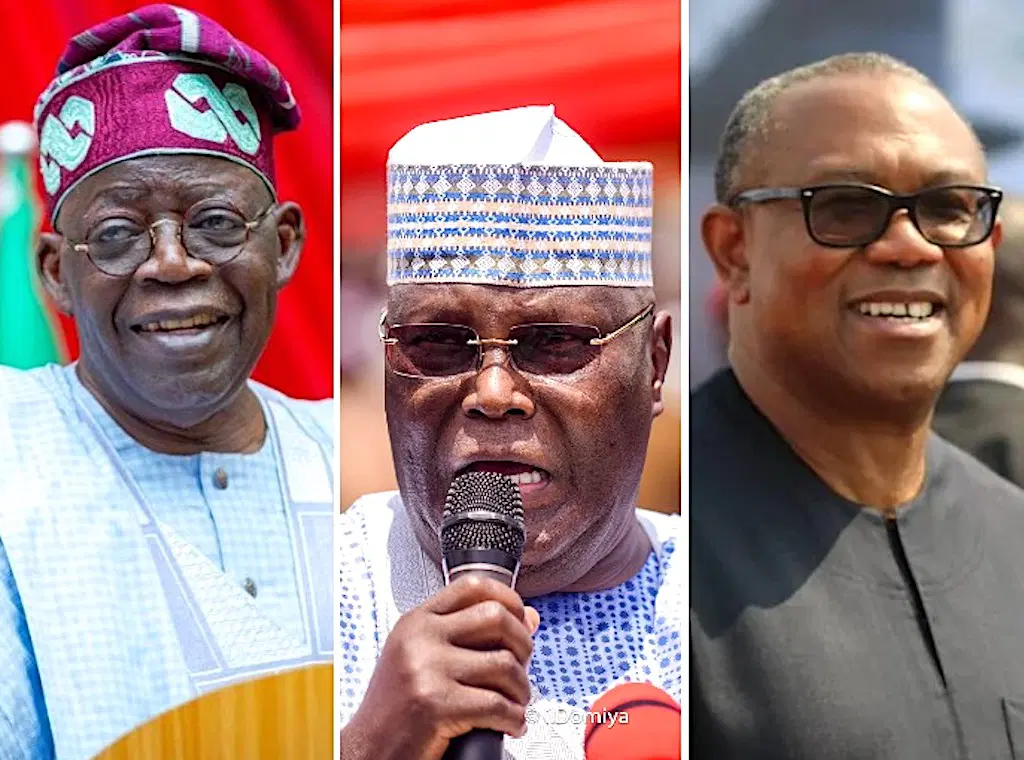
There is something reassuring about political rivals gathering beneath one roof to sign a common promise of peace. In a country where elections have too often been accompanied by intimidation, inflammatory rhetoric, and violence, the symbolism matters. It affirms that opponents are adversaries, not enemies, and that the pursuit of power must remain subordinate to the survival of the republic.
That is why the National Peace Accord signed in Abuja on August 18, 2026, deserves to be welcomed. It commits political actors to peaceful, credible, free, and fair elections, rejects violence and hate speech, and calls for impartial electoral institutions and professional security agencies.
But Nigeria must not mistake a declaration of good intentions for an architecture of credible elections. The greatest threat to 2027 may not be spectacular fraud or election-day violence. It may be the gradual tilting of the political field before voters reach polling units: an opposition rally denied a stadium, a campaign permit mysteriously delayed, billboard charges raised beyond reasonable reach, state media favouring incumbents, or security rules applied firmly to one party and leniently to another. Individually, such incidents may appear administrative. Collectively, they can alter the character of an election. Democracy may preserve the rituals of competition-candidates on ballots, rallies, polling stations, and counted votes-while steadily losing its substance. A level ballot cannot compensate for an uneven field.