The recent encounter between a graduate trainee and popular businessman, Mr Tony Elumelu, drew our attention back to honorifics. In English, honorifics are titles used before a person’s name to show respect, courtesy, or status. Although English may not boast as many honorific expressions and gestures as the typical African language does — like Yoruba, which has a different personal pronoun, ‘e’ (you), for elders as opposed to ‘o’ for young people — it surely has enough to show courtesy.
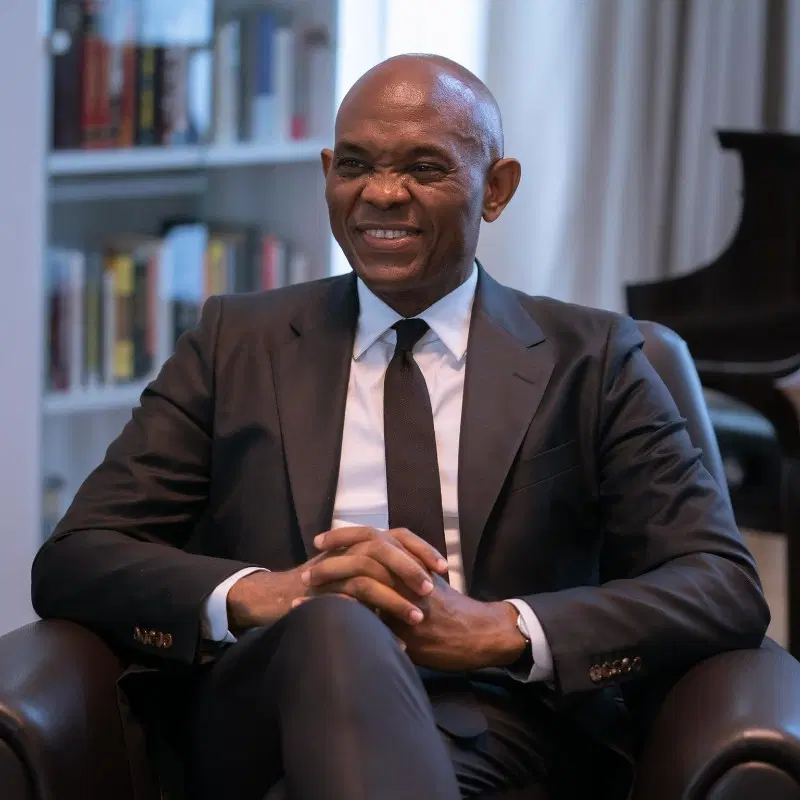
The young lady had addressed the Chairman of Heirs Holdings by his first name when she wanted to ask a question during a Graduate Management Accelerated Programme grad ceremony organised by UBA, a bank where he was the Chairman until a few days ago. The man saw everything wrong with the lady’s utterance. He thus gently but emphatically corrected her, saying she ought to call him either Mr Elumelu, TOE, or Chairman. This indicates that he had actually started teaching honorifics on the spot. No wonder the matter, now viral, has helped many people and organisations revisit the significance of cultural-cum-moral values in the educational upbringing of the young.
Interestingly, Elumelu noted that he did not subscribe to the ‘Oyinbo culture’ that inspired the kind of flat attitude the lady was trying to showcase. It is, however, also interesting that English has a place for honorifics and linguistic/grammatical courtesy, as we shall discuss (not discuss about!) here.