This article has been supplied and will be available for a limited time only on this website. Global supply chains have become harder to predict, and apparel businesses are feeling the effects long before a product reaches the customer.
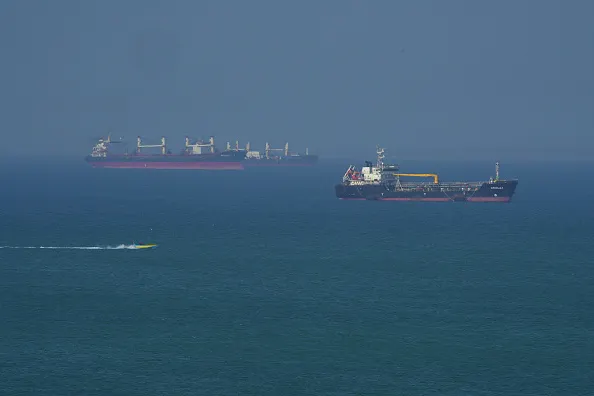
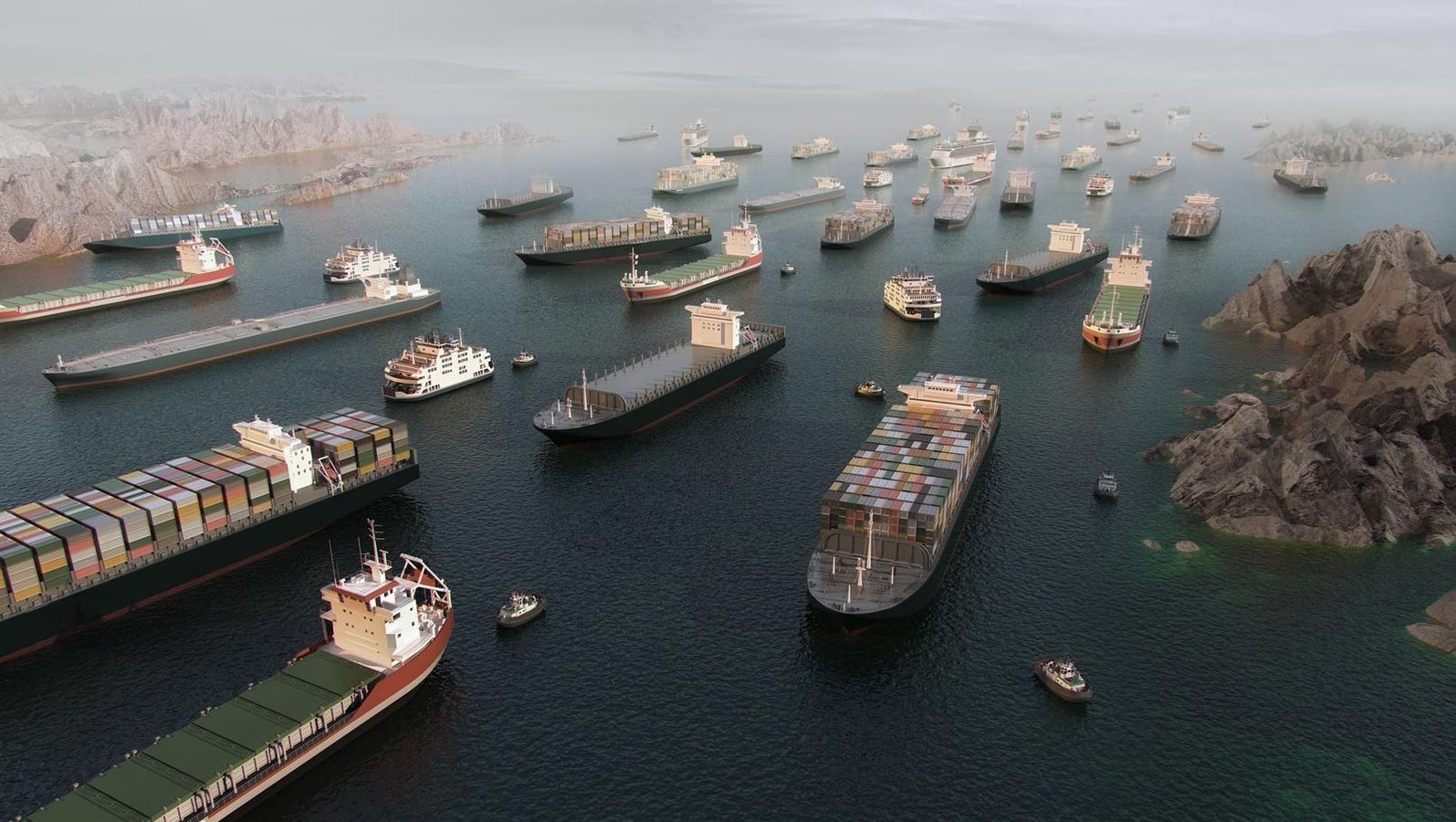
For BooYaa, vessel congestion, shipment delays, freight volatility, and disruption around conflict zones have changed the way procurement decisions are made. Lead times that once offered a reasonable degree of certainty can now shift with little warning, placing greater pressure on product planning and inventory availability.
The challenge is especially pronounced in apparel, where collections are often tied to seasons, tournaments, launches, and fixed event dates. Missing a shipping window can affect more than delivery. It can reduce the amount of time available to sell a range or leave a market without the stock it expected.
“Apparel works to a calendar so that a delay can have a wider effect on the business,” says Edwin Moses, Procurement Manager at BooYaa. “Procurement has become much more closely tied to planning and risk management because we have to account for uncertainty much earlier in the process.”
That is a significant change from BooYaa’s early years, when the business was smaller and could respond more quickly to short-term demand. As the brand has expanded internationally and moved into more product categories, the decisions behind each order have become more complex.