Story audio is generated using AI
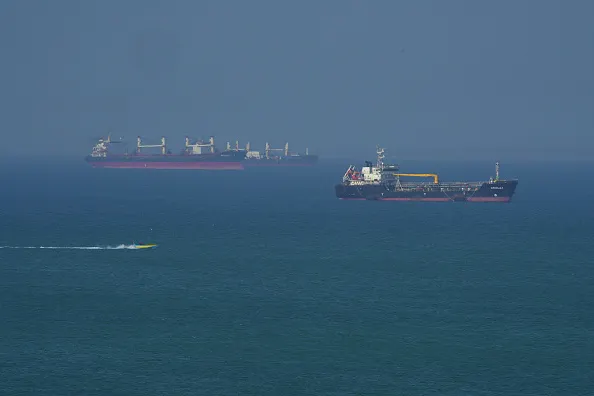
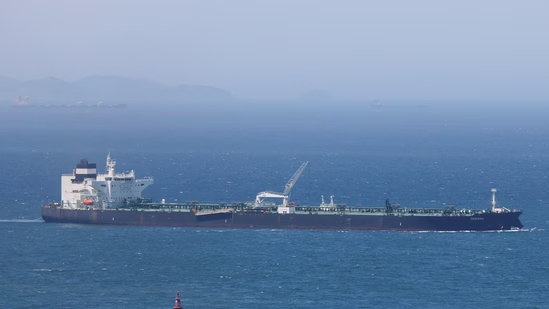
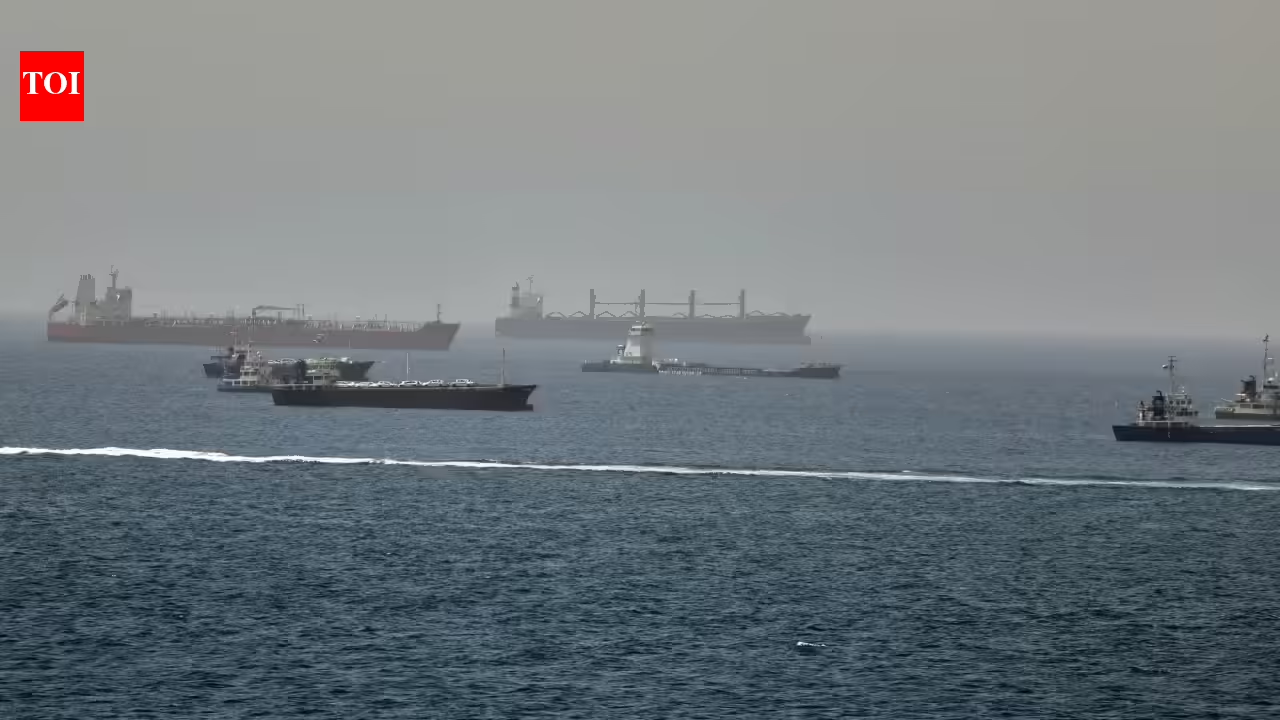
For years, global supply chains were designed for just-in-time delivery; this was underpinned by demands for speed, cost efficiency and better working capital outcomes. What we are learning today is that as the world becomes increasingly vulnerable to economic and geopolitical shocks, supply chains optimised for the “average day” can break down when confronted with trade wars, regulatory changes and conflict.Tensions around the Strait of Hormuz illustrate the risks of relying on narrow global chokepoints, where disruption in a single corridor can send shockwaves through global markets and threaten entire supply chains. We should remember that in 2022 we also experienced the blockage of the Suez Canal, which challenged our thinking.The scale of these dependencies is striking. More specifically, nearly half of global sulphur trade — a critical input for phosphate fertilisers — move through the Strait of Hormuz. At the same time, about 20% of global liquefied natural gas (LNG) — a key enabler for ammonia production — also flows through the strait.The Middle East plays an outsized role in global fertiliser supply, much of which transits through the straitThe Middle East plays an outsized role in global fertiliser supply, accounting for roughly 23% of global ammonia trade and 34% of global urea trade, much of which transits through the strait. Urea, the world’s most widely used nitrogen fertiliser, is particularly exposed: nearly half of global urea exports originate from countries west of the strait and depend on this route to reach global markets.While the Strait of Hormuz is widely recognised as a global energy chokepoint, the same is true — though less acknowledged — for fertiliser and explosives value chains (albeit less so). Ammonia is at the centre of this vulnerability, with certain fertilisers and industrial explosives facing a pronounced concentration risk.Fertilisers underpin global food systems: it is estimated that roughly half of the world’s population depends on food grown using mineral fertilisers. When supply chains are disrupted, the effects are immediate — tightened availability, rising input costs, and ultimately reduced crop yields and higher food prices.Recent market signals underline this fragility. Fertiliser markets have proven highly volatile, with urea prices rising 30%-80% during recent supply disruptions, while ammonia prices, an upstream input, have increased roughly 20% over similar periods.So how should we respond? By employing an ever-evolving operating system of resilience that demands innovation and investment. In our experience, this resilience is anchored on four pillars.Omnia’s supply-resilience approach reflects this logic: inputs are procured from multiple local and international suppliers, supported by supply channels that bypass conflict-affected zonesThe first pillar of building resilience is optionality: diversified sourcing and route agility. Diversification extends far beyond securing “one alternative supplier”. It requires ensuring that risks are not correlated — for example, when suppliers rely on the same shipping lanes, feedstocks or energy sources — and building truly independent alternatives that remain available when one corridor is constrained. Omnia’s supply-resilience approach reflects this logic: inputs are procured from multiple local and international suppliers, supported by supply channels that bypass conflict-affected zones.The second pillar is the development of robust physical operations through disciplined capital investments and investment in supporting infrastructure. Having a strong balance sheet allows the deployment of working capital to support these operations. In markets defined by critical commodities, operational resilience cannot be constructed during disruption; it must be embedded well in advance through systems, assets, and forward planning.The third pillar is enhanced storage and strong logistics capabilities. Across the value chain, Omnia has increased import, storage and distribution capacity to create meaningful buffer stocks and reduce exposure to supply shocks. The model demonstrated by our mining business, BME, illustrates how this translates into continuity for customers. Omnia sources its ammonia requirements locally and internationally. The internationally sourced ammonia is stored in a shared industry facility at Richards Bay and transported by rail and road to downstream conversion facilities in Sasolburg, where it is processed for use in fertilisers and civil explosives. This combination of upfront investment, shared infrastructure and logistical discipline reflects a broader industry commitment to strengthening physical resilience in supply chains.This is what logistics and supply chain resilience looks like: not simply planning for disruption but building the capacity to continue producing safely and reliably when conditions tighten to ensure security of supply to agriculture and mining customers.The fourth pillar — arguably the most challenging and critical — is innovation. Not every risk can be diversified away; in some cases, the most effective strategy is to reduce dependence on constrained inputs altogether. For example, our InnovexTM product range uses an advanced dual-salt formulation that lowers ammonia requirements while maintaining blast performance and greater stability, enhancing long-term supply security in the face of external shocks.Bringing it all together, these pillars must be reinforced by disciplined capital decisions and agile risk management mechanisms. Chokepoint vulnerability is not a black swan event but a foreseeable scenario that demands preparation and stress testing. The aim is to reduce the impact of external variables and prevent volatility from turning into scarcity, or scarcity into crisis.Global trade remains essential, but the nature of resilience is evolving as deglobalisation and conflicts increase. It now requires a tight balance between efficiency and security, alongside a willingness to invest ahead of disruption in infrastructure, diversification, and mitigating measures. This is not theoretical; it is a strategy we have consistently executed across our core markets.At the same time, customer expectations are shifting fundamentally. In both agriculture and mining, customers are no longer simply looking for the lowest-cost product or solution. Instead, they are prioritising total value, combining cost-effectiveness, consistent quality and reliable supply. Delivering on all three simultaneously represents a powerful and differentiating competitive advantage in what is an increasingly complex and volatile global operating environment.Gobalsamy is Omnia Group CEO