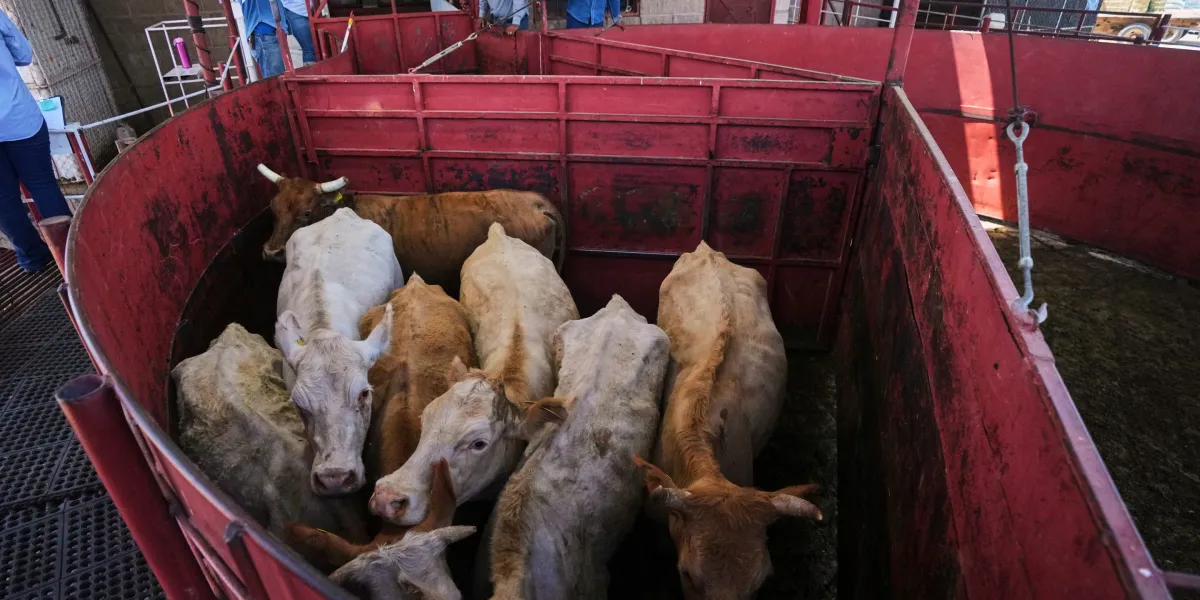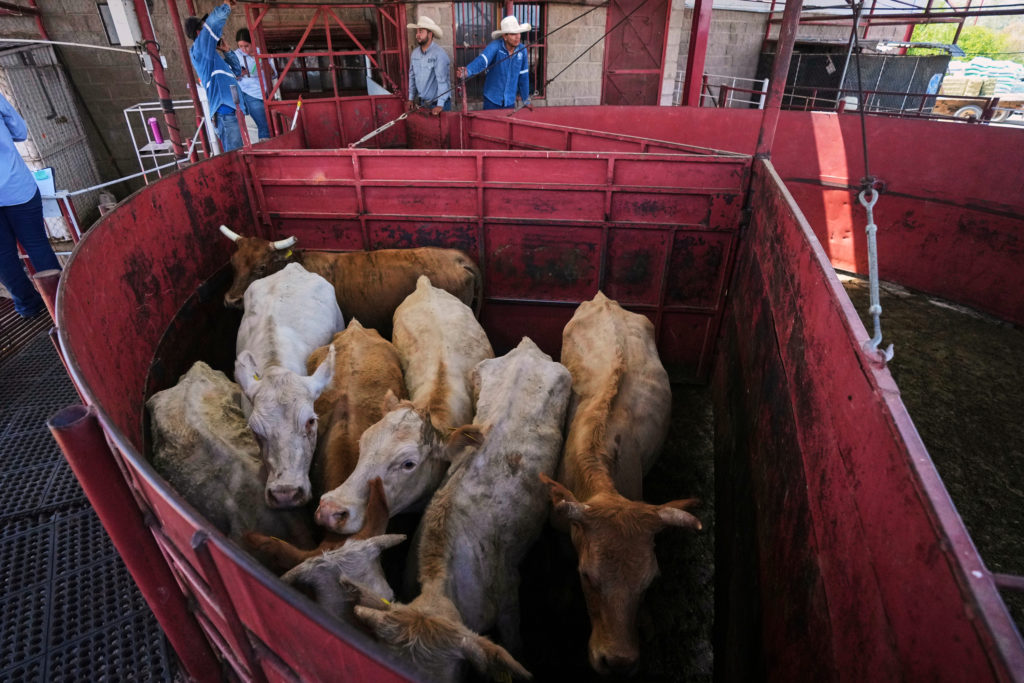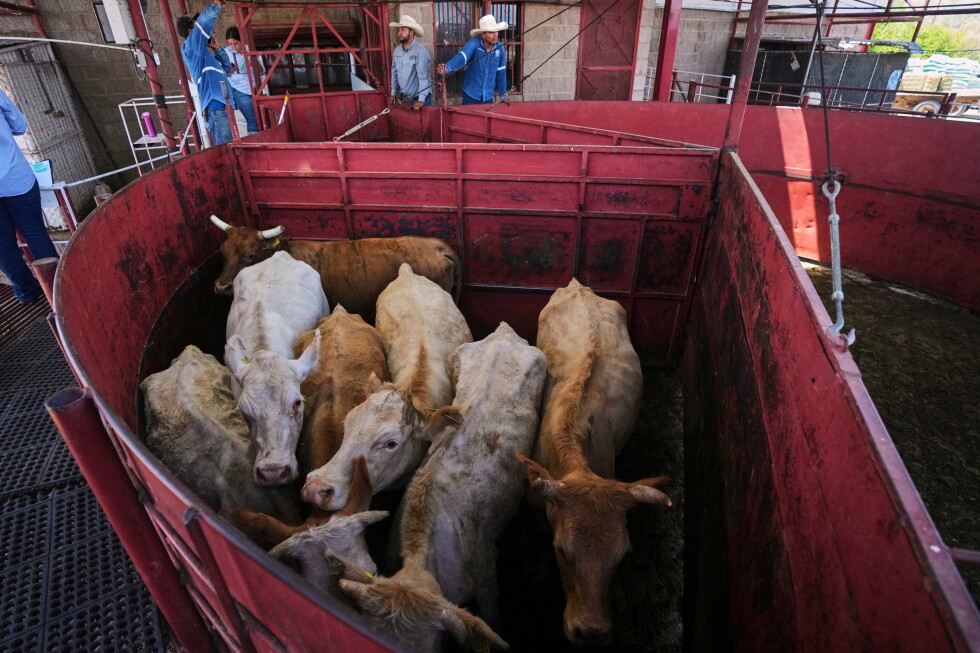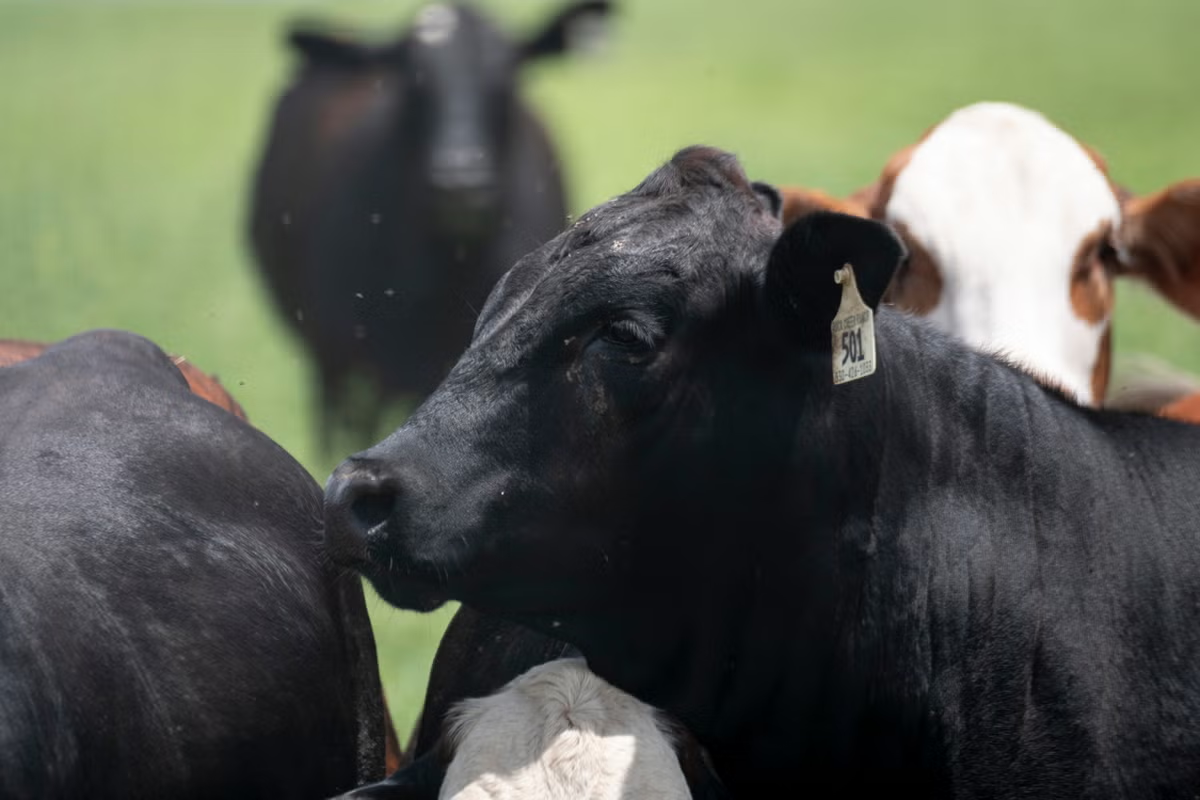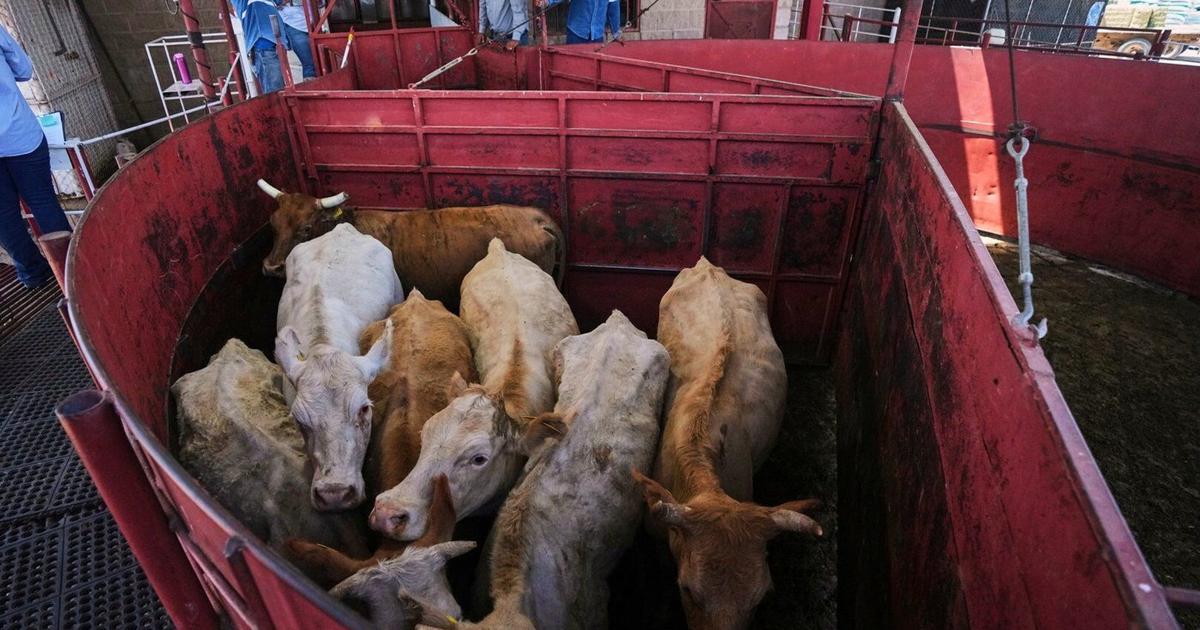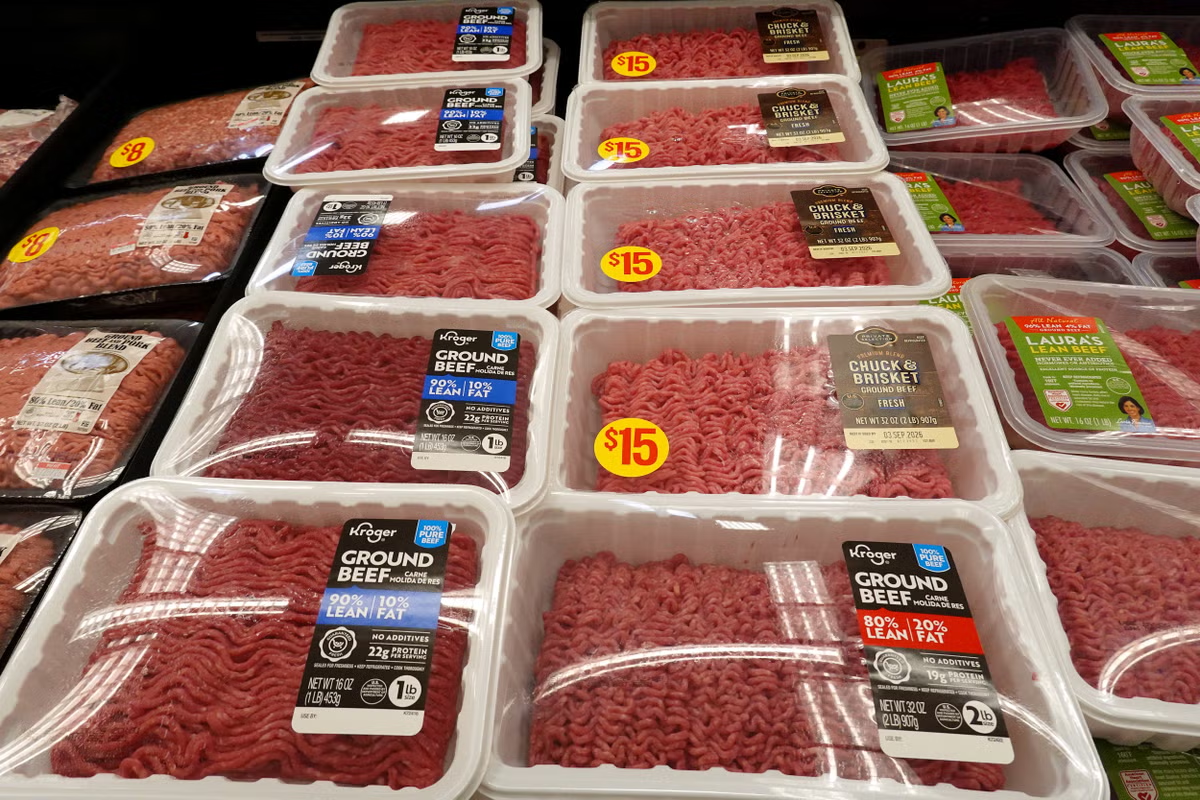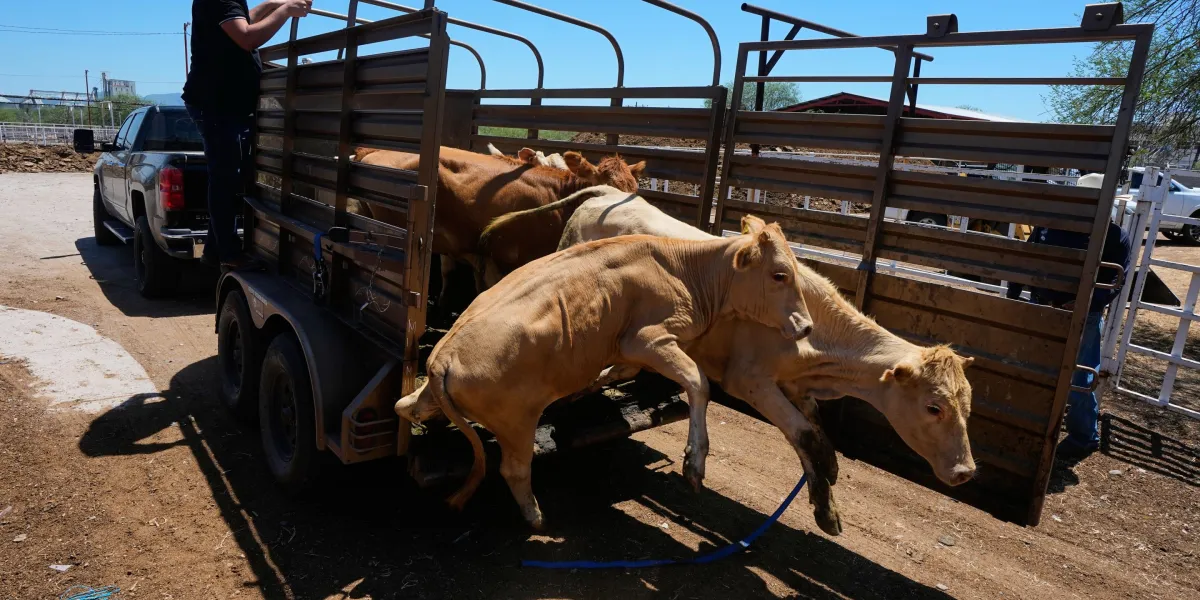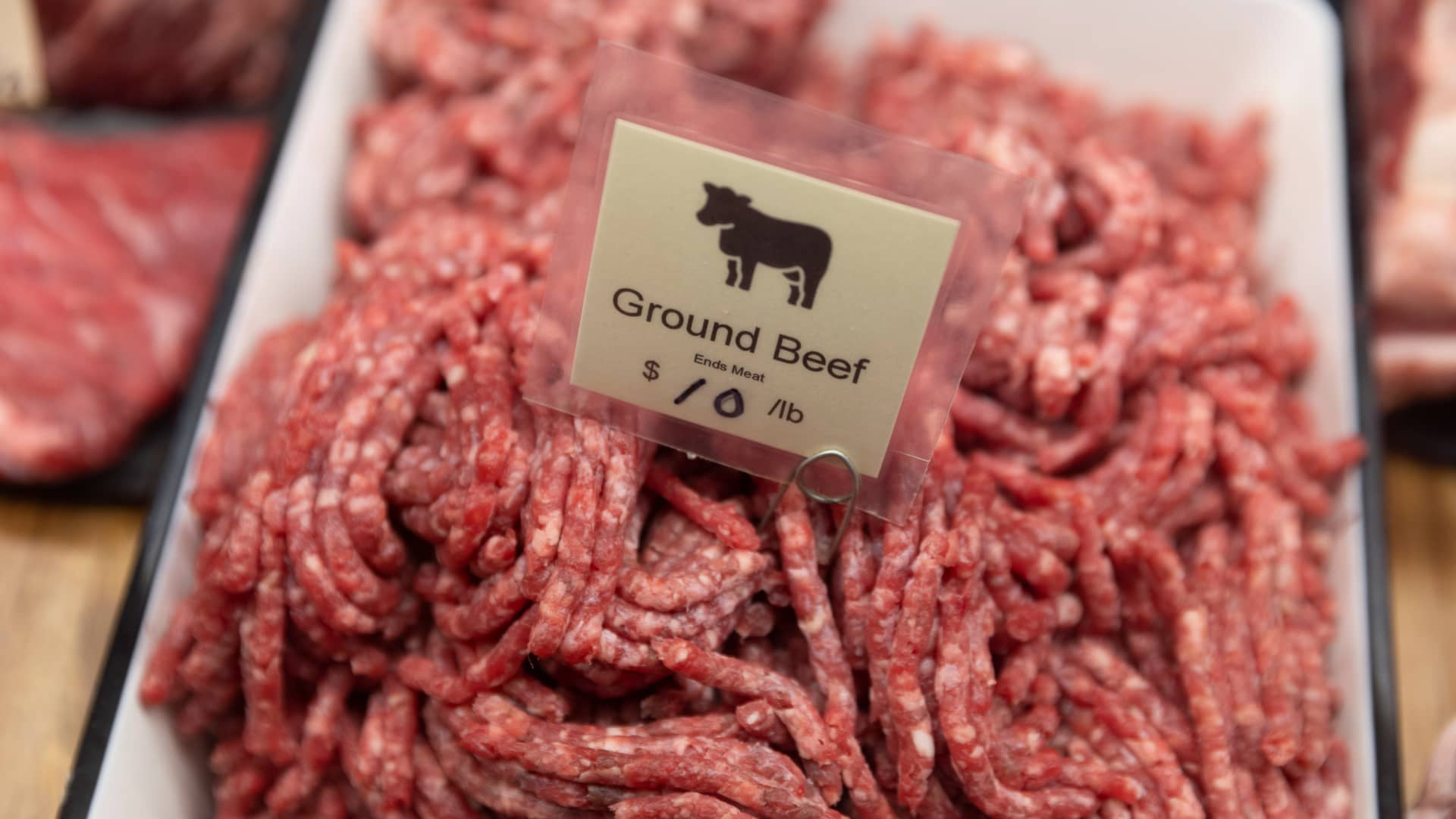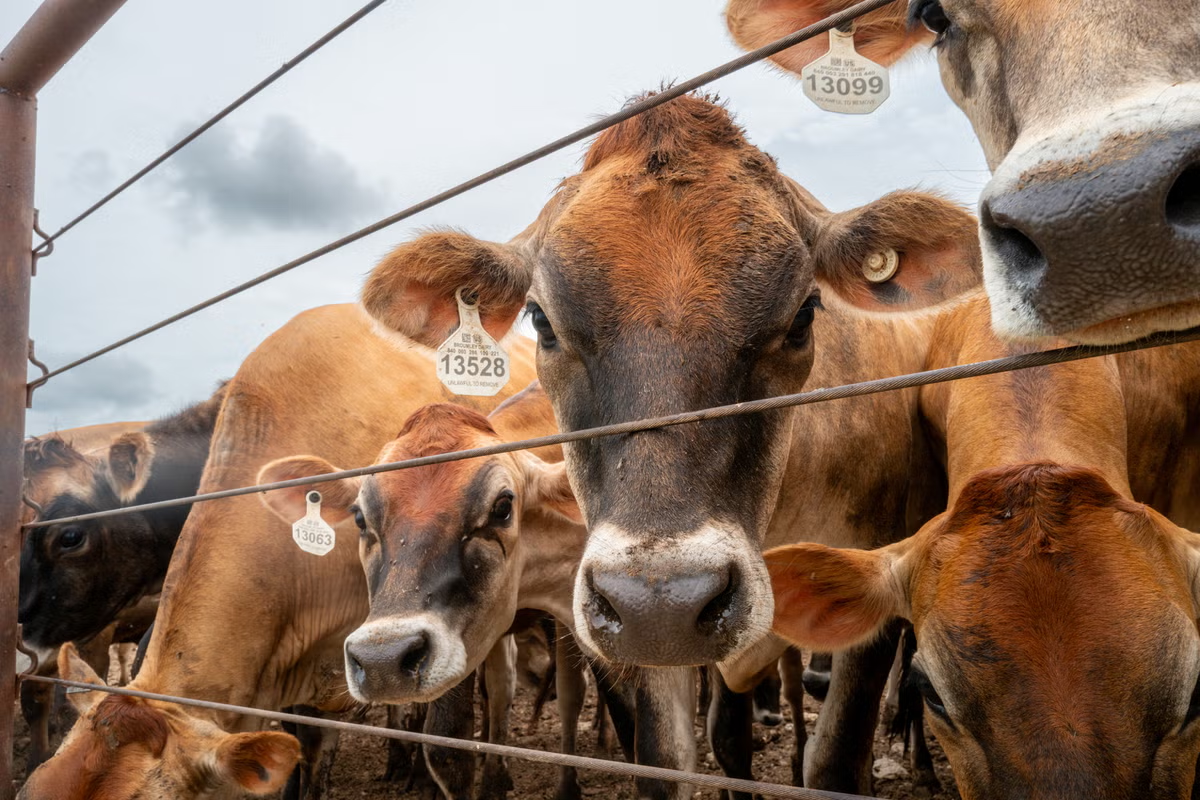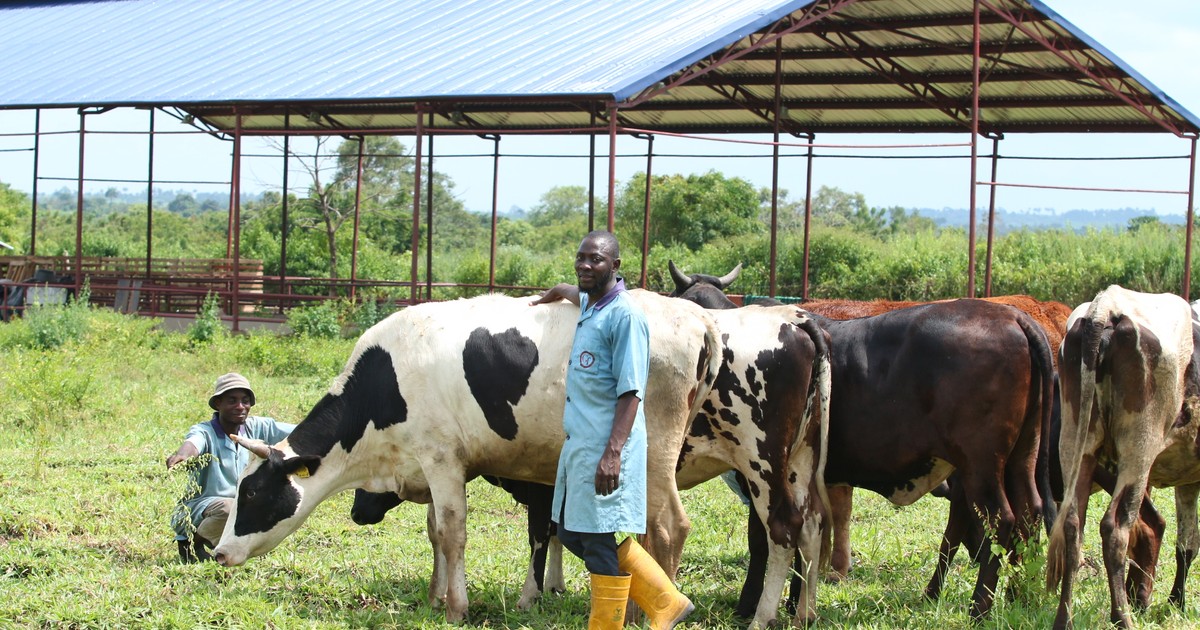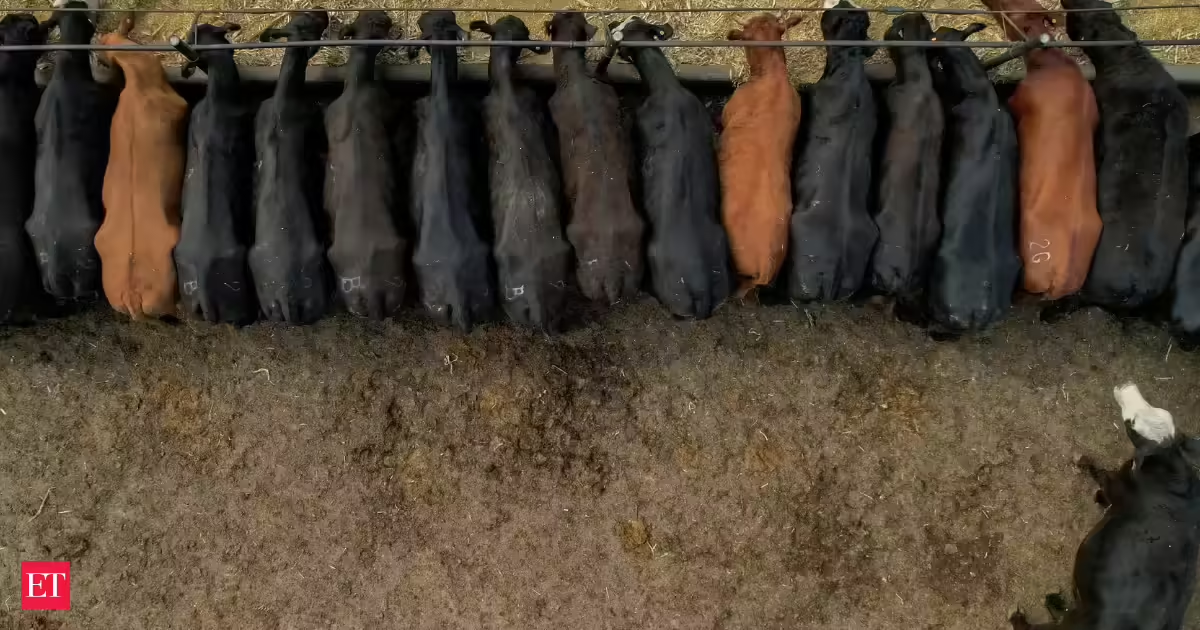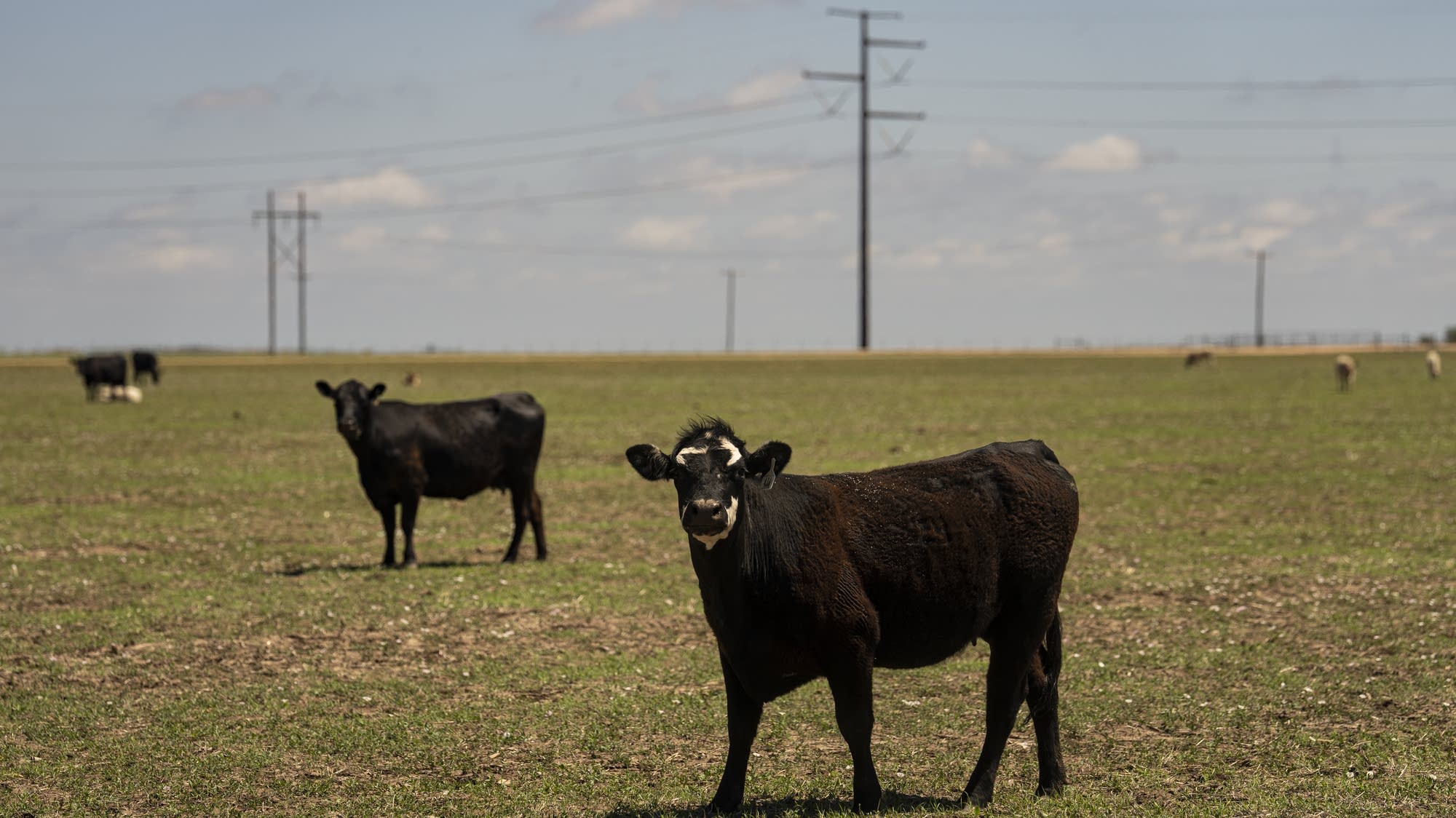
For the first time in more than a year, live cattle crossed the border from Mexico into the U.S. on Monday. The U.S. used to import more than a million head a year from Mexico, until worries about the spread of the screwworm parasite shut down that flow.The border has reopened for cattle just after President Donald Trump announced last week that he would be ramping up tariff-free beef imports — without any details.There’s a name for these cattle crossing from Mexico into the U.S., according to University of Tennessee agricultural economist Andrew Griffith: “Beef on the hoof, right? I mean, we're talking about beef on the hoof.”That’s a shorthand for live cattle that will eventually become meat we eat. Before the border closed, these cattle from Mexico provided about 4% of the U.S. supply. “Which is, I mean, 4% is a pretty big number,” Griffith said. Especially when you consider how small our national cattle herd has gotten. But it will take a while to ramp back up to those import numbers. And it’ll take a while for the cattle coming in to go to slaughter.“We bring what we call feeder cattle in from Mexico for the most part. So in that 440-to-700-pound range. Abby Greiman with Ever.ag, a company that analyzes livestock supply chains, said once the cattle are here, they have to fatten up to about three times that range.“All told, you know, anywhere from maybe eight to 12 months from the time that that animal crosses the border to the time that they are actually going into the retail beef chain here in the U.S.,” she said.That could lower high beef prices — eventually. So could importing hundreds of millions of pounds of processed beef over the next three months, which is what President Trump seemed to be suggesting he’ll do. “That's a pretty short window. Hard to know if it will really happen, but if it were to, yes, that would help lower beef prices,” said James Mitchell, an ag economist at the University of Arkansas.Unexpectedly pumping the supply chain with imported beef will likely reduce live cattle prices this fall, he said, which is when U.S. ranchers are weaning and selling. “If most producers are trying to sell their calves at a time of year when something like this gets thrown on them, it's just not great,” Mitchell said.It would mean lower profits for ranchers during a drought. So there wouldn’t be much incentive to grow the national herd.
Will importing beef help bring down prices?
“Beef on the hoof” from Mexico will take months to fatten before slaughter, and it’s not clear how increasing imports from Argentina would work.
415 words~2 min read