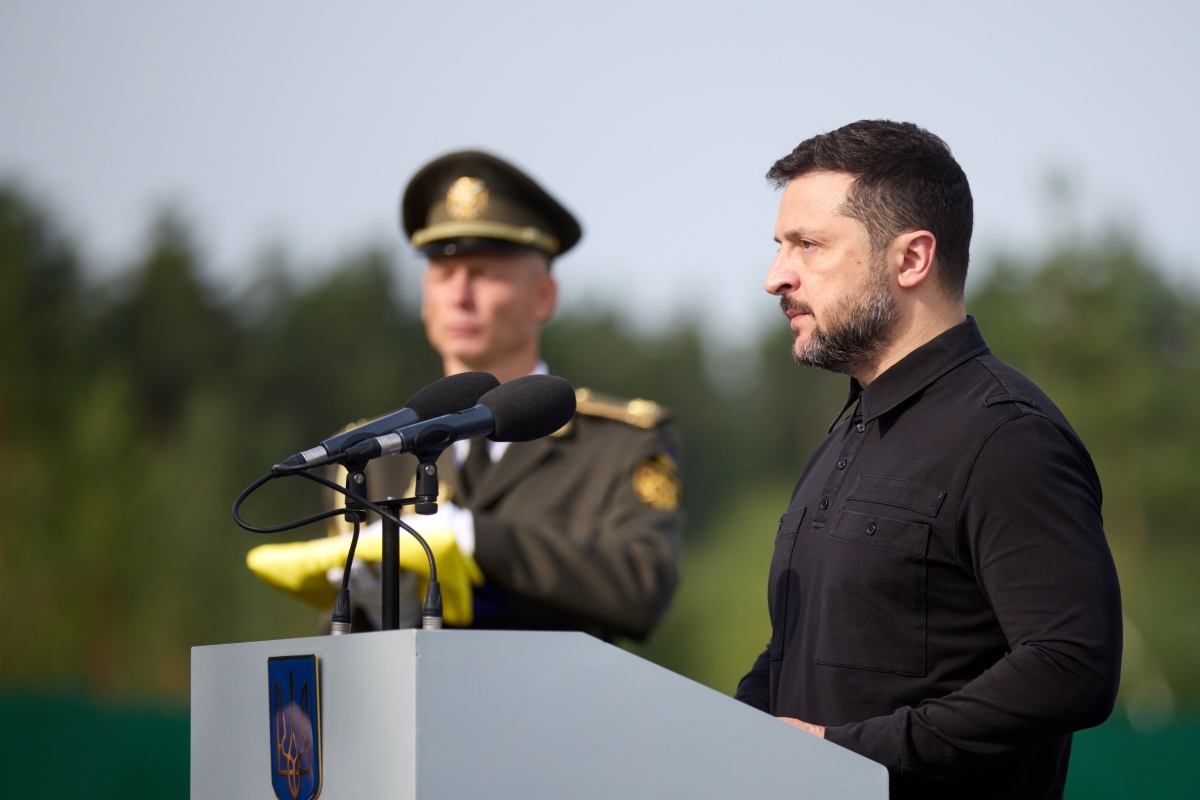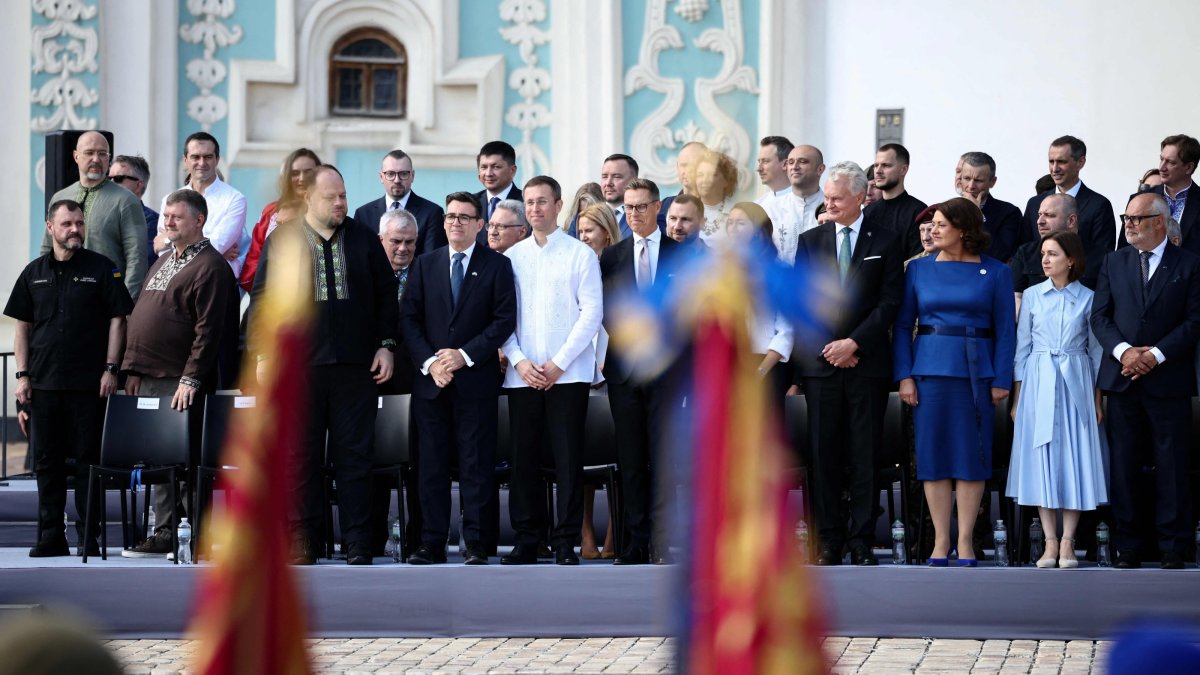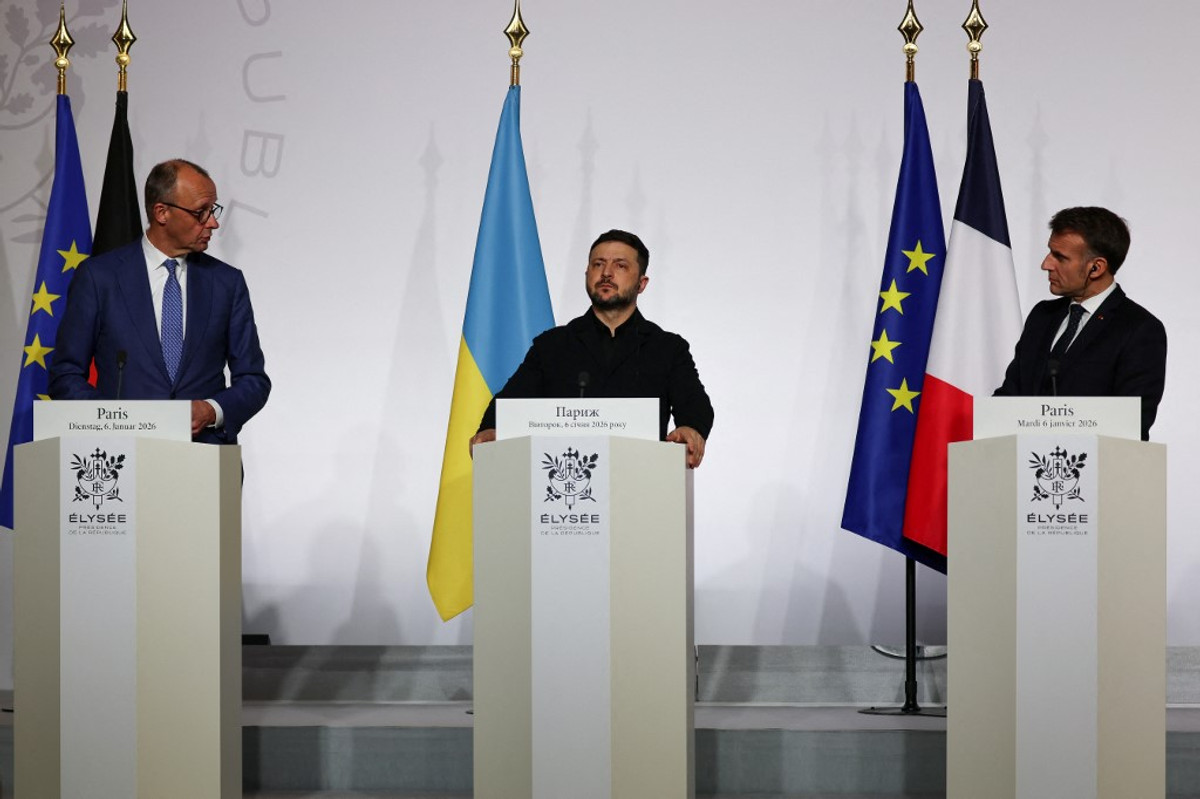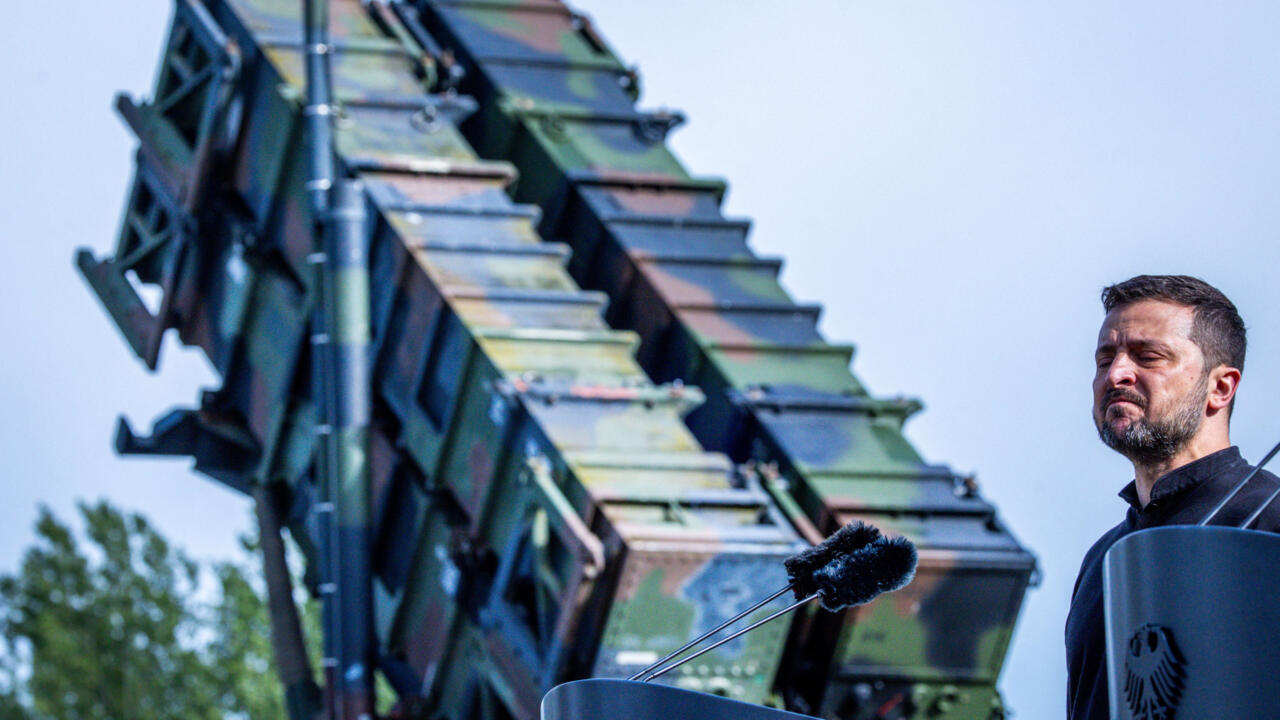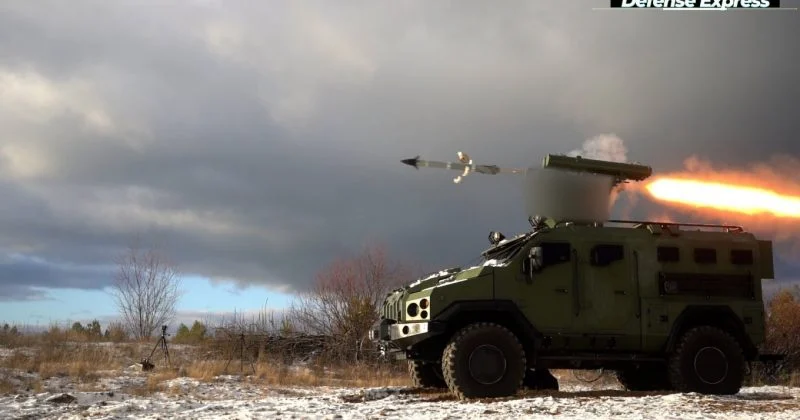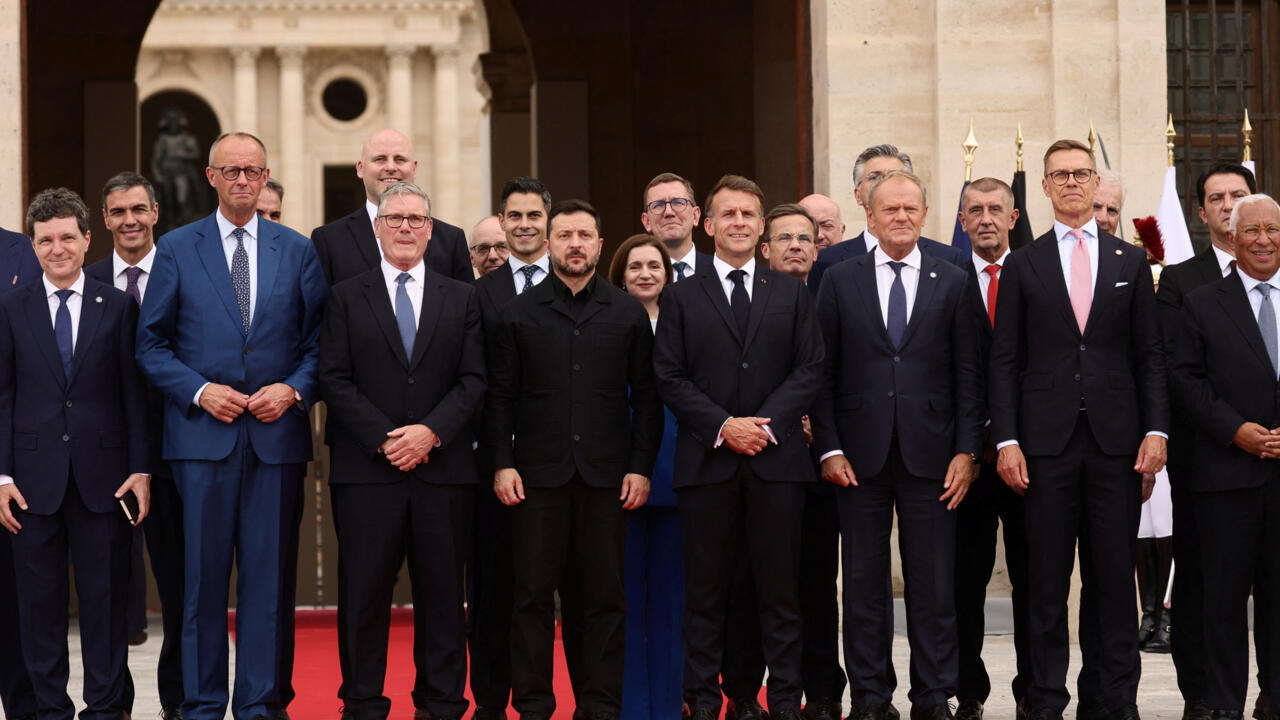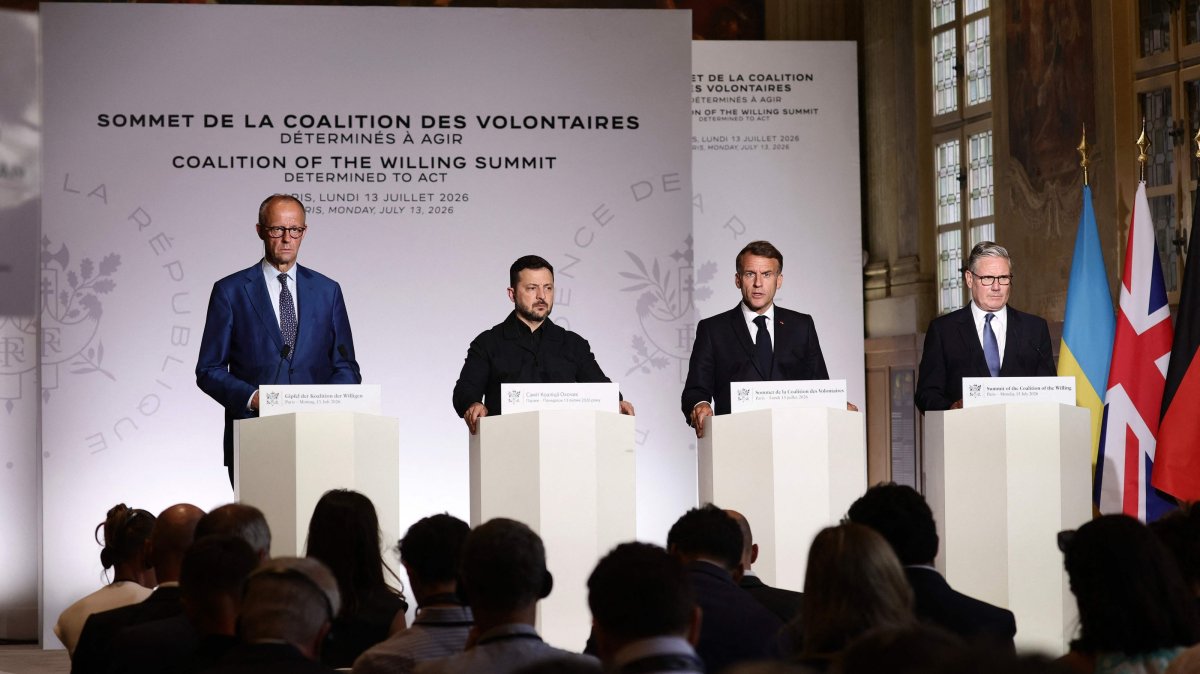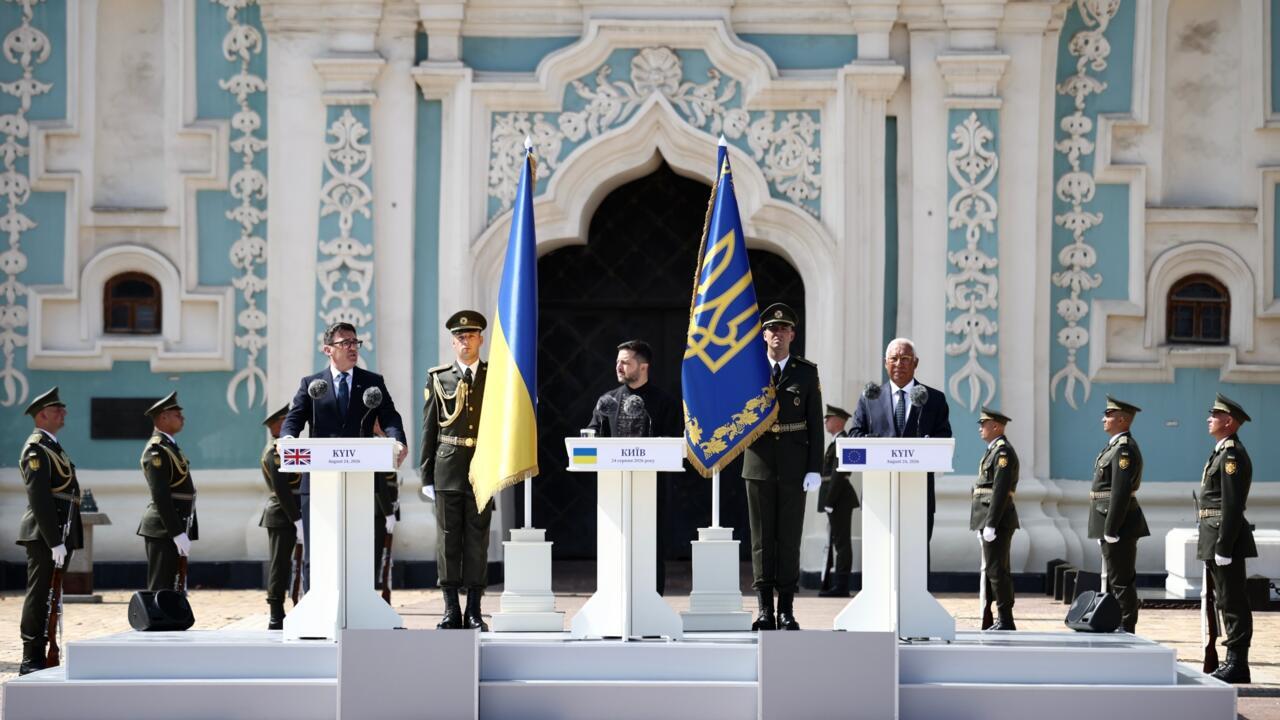
Ukraine's allies on Monday pledged to keep up their support in the war against Russia, with a renewed focus on air defence investment to counter a shortage of US Patriot interceptors.
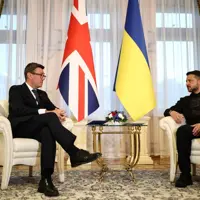
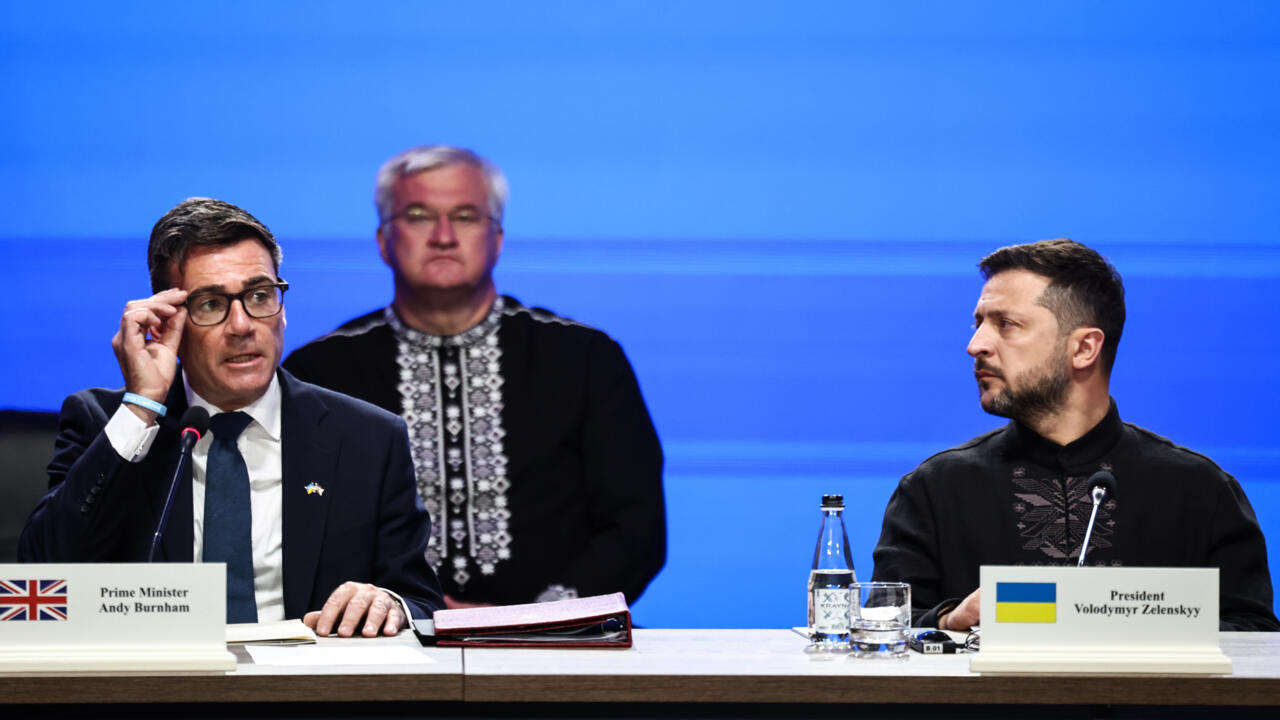
Air defence supplies were the main priority at the meeting of 30 leaders of the Coalition of the Willing, jointly chaired by the leaders of France and Germany, who participated remotely, and by Britain's Prime Minister Andy Burnham. "The leaders expressed their determination to increase military support for Ukraine, to make strengthening its air defense an absolute priority, to intensify cooperation with its defense industry, and to share relevant technologies, notably through the Anti-Ballistic Missile Coalition," a joint statement said. EU Council President Antonio Costa announced that the European Union had released another €6.1 billion in military aid for Ukraine to boost its air defences. The finance is part of a 90 billion-euro loan, including €60 billion in military aid. "We will continue to support Ukraine for as long as necessary and provide Ukraine with security guarantees once this terrible war ends, so that it never happens again," Costa said in a post on social media platform X. Highest number of casualties Russia has recently pounded Kyiv with ballistic missiles, pushing civilian deaths to their highest levels since the beginning of the conflict in February 2022. "The leaders condemned the systematic and increasingly intense strikes carried out by Russia against Ukrainian cities, critical infrastructure, and civilians, which have caused the highest number of civilian casualties since the start of the full-scale invasion in 2022," the Coalition's statement said. Ukraine has also forged ahead with its campaign against Russia's logistics sites, hitting multiple warehouses and infrastructure in recent weeks. UK's Burnham pledges new drone tech to Ukraine in Zelensky meeting The ballistic missiles Russia has been firing are incredibly fast and travel with a high-arching trajectory, making them difficult for Kyiv to intercept. Ukraine relies on advanced systems – chiefly, US Patriot interceptors – to protect its skies. But the United States is facing its own shortages of the missiles since its war on Iran and has resisted releasing large numbers to Ukraine. Ahead of the meeting, Ukraine's President Volodymyr Zelensky revealed the extent of the deficit, releasing usually closely guarded numbers. He said deliveries of crucial Patriot interceptors had halved since 2023. 'Strength of a mutual circle' "Over the entire of 2023, Ukraine received 675 missiles, and over all of 2025 – 364, even though Russian missile strikes have increased," Zelensky said. "For 2026, as currently projected, it is 264," he added, saying Ukraine was seeking a package of at least 300 for the upcoming winter. Zelensky said Russia could produce around 100 ballistic missiles a month. Paying tribute to the Ukrainian people and the soldiers on the country's independence day, Zelensky called on allies to provide him with "everything" necessary to end the conflict. "We are not asking you to fight for us," he reiterated. "Right now, things are really very difficult for all of us. But there is a force holding us firmly by the hand," he said in an address, adding: "It is the strength of our mutual circle". Ukraine's allies pledge jets, missiles and anti-ballistic shield at Paris summit Zelensky said Ukraine desperately wants peace, but it is "not ready to capitulate", expressing his conviction that Moscow would not end its war of invasion if Kyiv agreed to cede more territory in the east of the country – one of the conditions set by Vladimir Putin for ending the conflict. The Coalition of the Willing is a Franco-British initiative to deliver support to Ukraine and ramp up pressure on Russia, largely made up of NATO countries – but not the United States – plus several allied nations. Originally designed as a group of countries that would be willing to deploy peacekeeping troops to Ukraine in the event a ceasefire was reached, it has become a parallel forum for marshalling support to Kyiv as uncertainty persists over US commitments under President Donald Trump. UK signs AI dataset deal Britain is one of Ukraine's key backers, having supported it financially and militarily throughout the four-and-a-half-year Russian offensive. On Monday, Burnham announced in Kyiv that the British government was authorising defence firm MBDA to release classified information needed to help Ukraine and France set up local production of the long-range Storm Shadow/SCALP missile. Reacting to this announcement, the Kremlin accused London of "adding fuel to the fire," having already stated last week that the delivery of British drones to Ukraine would have "consequences." The Kremlin accused London of preventing peace in Ukraine by handing the information to Kyiv and threatened to target and "destroy" facilities producing the missile in Ukraine. France to send interceptor missiles to Ukraine after Russian strikes "Despite Russia's outrageous threats to my country, we will continue our support for Ukraine's defence," Burnham said. The UK government also signed a deal that would provide access to an AI dataset containing millions of battlefield images, help it protect military bases and other sites. The dataset, known as "Avengers", is currently used to train autonomous Ukrainian drones. Describing the data as a "goldmine", London said it could eventually use the dataset to "protect airports, prisons and even railways and energy plants", without elaborating. Burnham told the allies that "the clear message to Putin should be that Ukraine will never give up territory that Russia cannot win on the battlefield, and negotiations must start from the line of contact." French President Emmanuel Macron – who on Saturday pledged new interceptor missiles – warned that "Russia will try to escalate against European countries in order to deter them from assisting Ukraine". "It's clear that NATO countries will be targeted and the provocations will multiply," he added. (with newswires)