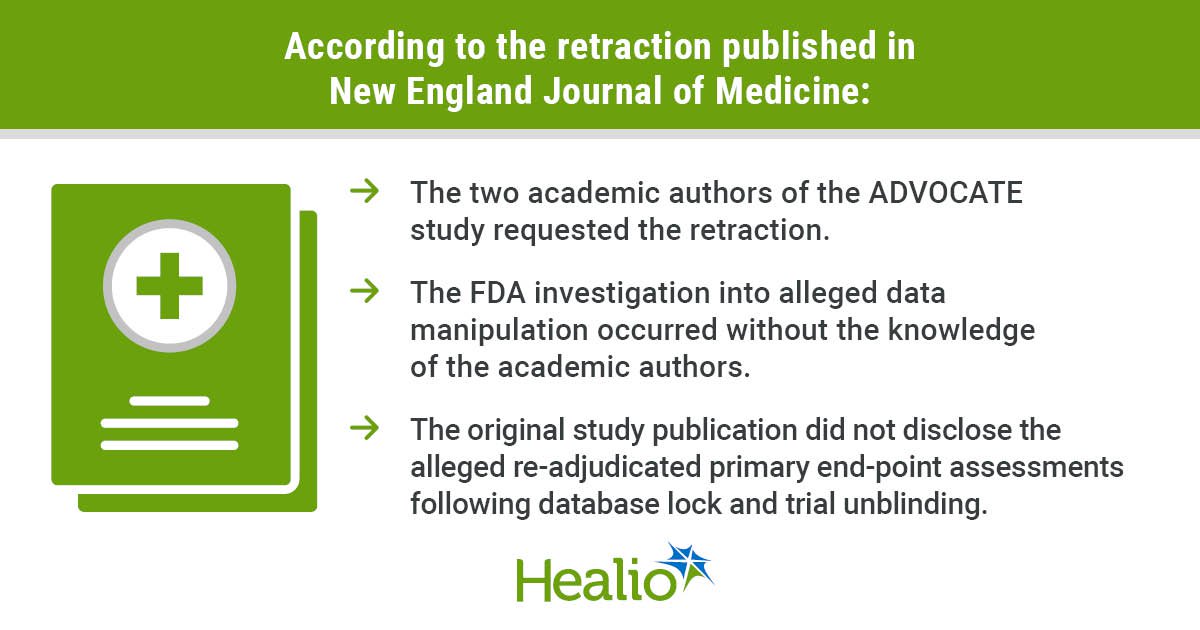
The C5a complement inhibitor avacopan (Tavneos) was FDA-approved in 2021 to treat ANCA-associated vasculitis, but questions have been raised about data integrity in the trials supporting that approval.As well, an FDA analysis earlier this year found dozens of cases of acute liver injury associated with the drug, including several fatalities.This new study of U.S. registry data, comprising more than 200 patients treated with avacopan, identified two cases of drug-induced liver injury (one severe) and 14 instances of significant liver enzyme elevations.
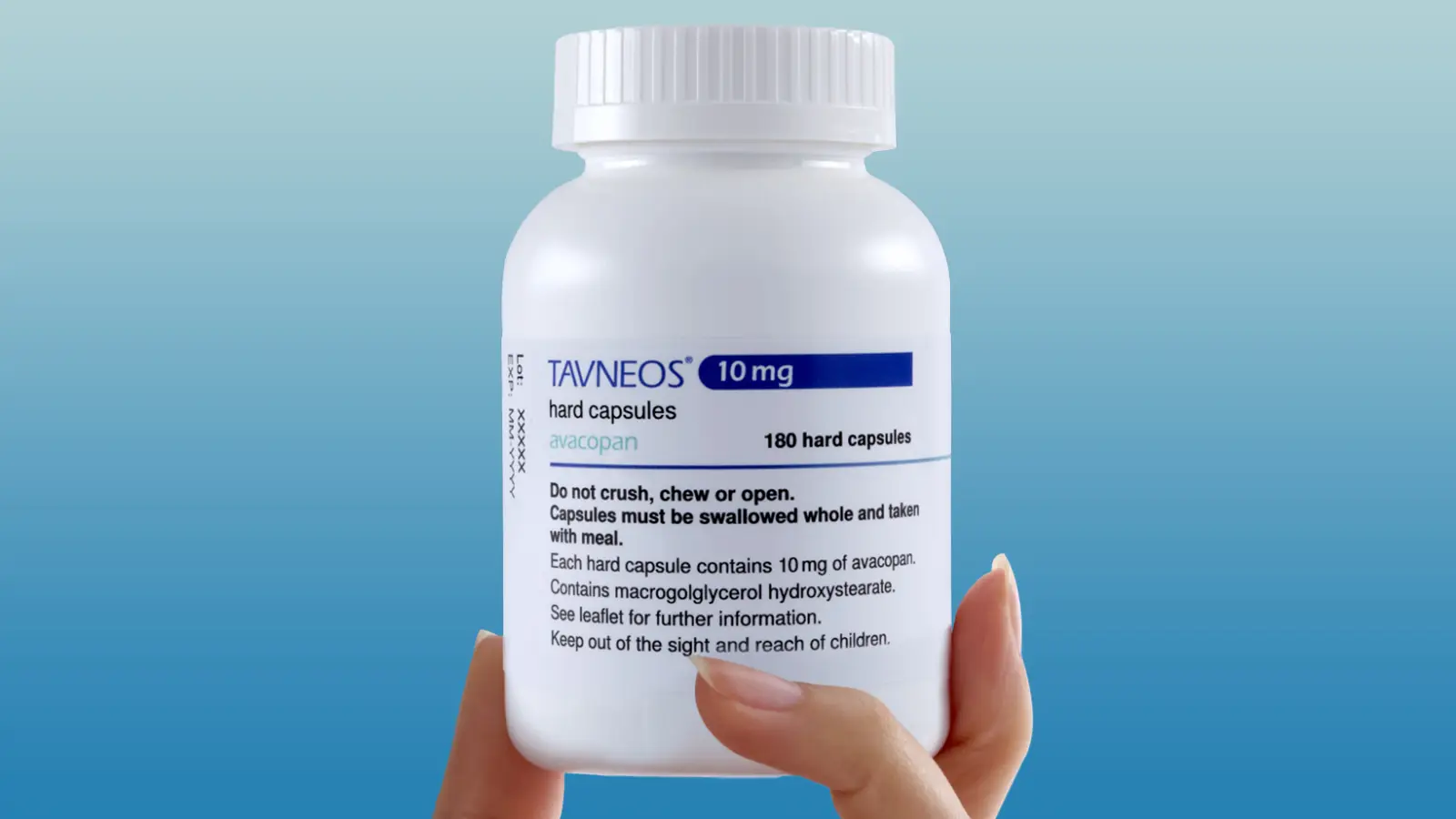
A new study may add fuel to the fire already burning around avacopan (Tavneos), approved in 2021 to treat anti-neutrophil cytoplasmic autoantibody (ANCA)-associated vasculitis (AAV), which the FDA wants drugmaker Amgen to pull from the U.S. market.
Among 238 patients in a U.S.-based rheumatology registry who received avacopan for AAV, a total of 14 instances of clinically significant elevations in liver enzymes were recorded, and two patients experienced drug-induced liver injury (DILI) that was highly likely to stem from avacopan, according to Eric T. Roberts, PhD, MPH, of the University of California San Francisco, and colleagues.
One of those DILI cases was severe, the researchers noted in their report appearing Monday in Arthritis & Rheumatology. That patient and the other with less severe DILI recovered within about 2 months of stopping the drug, and neither developed vanishing bile duct syndrome (VBDS).