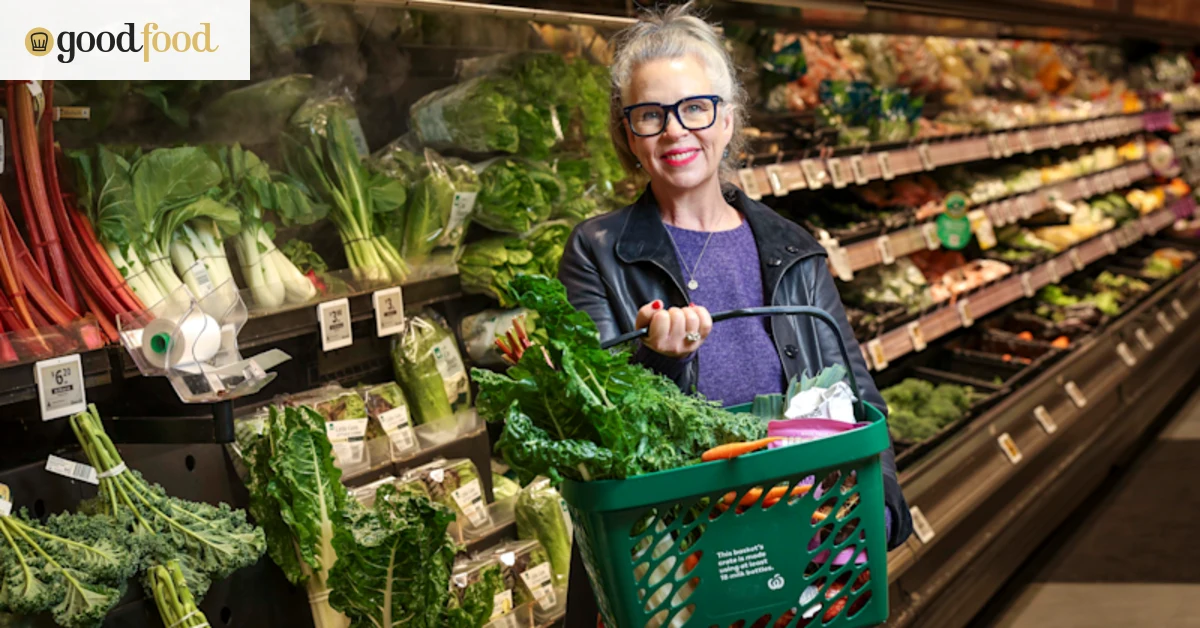
Professor Felice Jacka beams as we hit the rolled oat section of Woolworths. “Here it is, the gut health epicentre of the supermarket,” she declares. The world-recognised director of the Food and Mood Centre at Deakin University says whole grains such as oats, barley and rye are the best foods you can eat for a healthy gut. She yanks a packet of unstabilised (raw, untreated) oats off the shelf. “These are the least processed; that’s what you want. I put yoghurt on mine for breakfast, maybe honey, and berries. Delicious.”We begin our three-hour fact-finding tour of Woolies Bellarine Village, in Geelong, with a chat near the trolley bay about why we should care about our gut.‘Eat lots of plants, avoid ultra-processed food, seek out whole grains, legumes and especially eat fermented food.’Professor Felice Jacka, gut expertThe digestive system is increasingly viewed as the body’s health control centre. Around 70 per cent of our immune cells live in the gut, giving it a massive impact on our physical health.Jacka’s landmark research shows that our gut bacteria – collectively known as the microbiome – also act as a crucial bridge between the food we eat and how our brain functions.The best recipes from Australia's leading chefs straight to your inbox.Sign upImproving our diet can therefore help alleviate clinical depression and other mental disorders, alongside protecting against conditions like cardiovascular disease and cancer.Professor Jacka recommends we more fermented food, such as kimchi, for better gut health.Getty Images“The food we eat is critical to our microbiome and the molecules it produces. These impact our gene expression, metabolic health, stress response system, and particularly our immune system. They affect virtually every aspect of our physical health, as well as mental and brain health,” she says.While the exact science is complicated, what we need to do for a healthy gut is super simple, Jacka says.“Eat lots of different types of plants, avoid ultra-processed food, seek out whole grains and legumes, and especially eat fermented food.”We cover a lot of ground between the leek display at the supermarket’s entrance and the freezer cabinet containing her favourite Mr Chen’s vegetable gyoza at the end: from the fact that “the industrialised food system is the leading cause of illness and death globally”, to her view that two-minute noodles “should be banned”.This is what Professor Jacka, recent recipient of a UNESCO award for her nutrition and brain health research, puts in her supermarket basket. Along with a few things she never would.Professor Felice Jacka stocks up on healthy snacks.Eddie JimSnacksWe start our gut-boosting tour of the supermarket in the health food section. Aware that these shelves can be crammed with junk food masquerading as nourishment, I am surprised when she pulls out numerous snacky treats. Her crucial rule of thumb is to avoid any products with emulsifiers. These are often listed on nutrition labels as stabilisers, thickeners, Xanthan gum or guar gum. “I never buy anything with emulsifiers in them,” she says. “They are bad for the mucus lining of the gut and therefore disruptive to gut health.” Gravitating towards products with whole grains and nuts, her preferred snacks are: Smooshed Dark Cacao Protein Balls, Wallaby Original Bites (made with nuts, seeds and grains), Munchme nut and seed clusters, Orgran Quinoa and Buckwheat Crispibread crackers and Ceres Organic Brown Rice Cakes.A glimpse into Professor Jacka’s shopping basket, loaded with vegetables and snacks.Eddie JimVegetablesWe wheel our way into the veg section. All types of plants are a boon to gut health because they are loaded with fibre and polyphenols, excellent sources of “food” for gut bacteria. But Jacka hones in on three main types:Cruciferous vegetables: Broccoli, broccolini and cabbage contain fibres and compounds that strengthen the gut lining, reduce inflammation, and protect against cancer. Having had breast cancer twice, she always includes these in her diet.Leafy greens: Spinach, lettuce and silverbeet contain a sugar (sulfoquinovose) that fuels good microbes, and are rich in magnesium and other health-essential compounds such as polyphenols.Alliums: Garlic, onions, and leeks are packed with fructans, a prebiotic fibre that ferments in the gut and feeds good bacteria while keeping “bad” bacteria from taking over. “Some people struggle with alliums, but the emerging evidence suggests that improving the function of your microbiome can help with digestion of these forms of fibre,” she says.YoghurtAnyone serious about gut health should eat at least one type of fermented food every day, and yoghurt is a good place to start, says Jacka. She recommends full-fat Greek yoghurt, after scanning the label to check that it contains live cultures.Yoghurt is made by fermenting milk with cultures of beneficial bacteria. These live bacteria, known as probiotics, help balance the gut microbiome and make it easier for us to absorb nutrients.Why Greek? Because Greek yoghurt usually contains fewer carbs and sugar than regular yoghurt because of the way it is processed. Stay away from the added sugars in flavoured yoghurts, Jacka says, and add your own toppings such as berries (“I love frozen, organic berries”).Not many people realise tempeh is a fermented food and Dr Jacka eats it regularly.Eddie JimKefir, kombucha and other fermented foodsSponsored by the letter “k”, the roll call of fermented foods containing precious probiotics (live bacteria) includes kimchi, kefir and kombucha, along with sauerkraut, sourdough, tempeh and miso.If yoghurt is an entry-level fermented food, kefir – a thinner, drinkable version – is the next step up because it contains a much more diverse array of bacteria. While yoghurt typically contains two to six bacterial strains, kefir offers anywhere from 30 to 50.Jacka recommends looking for plain, unflavoured kefirs, pointing out options like Rokeby Farms Whole Milk Kefir in the dairy aisle.Kombucha is another fermented option that’s easy for families to target, Jacka says. She highlights the Remedy brand: “It’s sometimes got added stevia, which I don’t love the taste of, but if it gets your kids into something fermented instead of sweet, fizzy drinks, that’s fantastic.”The cake of fermented soybeans – otherwise known as tempeh – is also on the probiotics A-list. “Not many people realise tempeh is a fermented food,” Jacka says. “I cook with it all the time. It’s a great meat replacement, high in protein.”Weet-Bix: Professor Jacka is a fan.iStockWhole grains“In 30 years of research, whole grains come up again and again as having the strongest correlation to better health outcomes – both physical and mental,” Jacka says. This is because they are packed with gut-bacteria-friendly fibre. Top grains to aim for include oats, barley, rye, spelt and quinoa. Oats in particular are cheap and easy to make into a quick daily breakfast – either as porridge or served raw with a dollop of yoghurt or kefir.She is also a fan of the Aussie cereal hero, Weet-Bix, especially types with added whole grains. When it comes to bread, she pounces on a brand lurking on the lower shelves: Edwards Sourdough, which comes in rye and spelt varieties.Enjoy chickpeas in hummus like Katrina Meynink’s preserved lemon hummus with cumin and sumac roasted chickpeas. Katrina MeyninkLegumesJacka is genuinely pumped when we reach the dull display of dried legumes. While I imagine many shoppers pass the no-frills packets of split peas, mung beans and soup mix without a second glance, she grabs the green lentils with glee.“Lentils are the best gut food ever. Soak them, cook them, then put them in soup, in a pasta sauce – any food you cook.”Chickpeas are another star legume. “Buy them tinned, dried or made into a hummus.” Like whole grains, legumes are packed with fibre that gut bacteria happily ferment to produce short-chain fatty acids – compounds that reduce inflammation and boost bowel regularity.We should be eating olive oil every day, says Professor Jacka.Extra virgin olive oilExtra virgin olive oil is “like medicine”, Jacka says, and we should ideally consume about 60ml of it every day. “For me, it has to be Australian – because I know it’s made in a way that protects the polyphenols, which are key for gut microbes.”Two-minute noodles contain too much salt and not enough nutrients.iStockProfessor Jacka’s no-go listUltra-processed foodsUltra-processed foods are industrially manufactured products loaded with additives, preservatives and artificial colours. At the top of her “never put in the trolley” list are processed meats – like ham and bacon – and sugary drinks.“Avoid food with ingredients you can’t pronounce. Focus on whole, real foods: they can be tinned, frozen or dried; often they’re cheaper.”Sugary cereals Nutri-Grain, Coco Pops and Froot Loops are like eating lollies, says Jacka. “Don’t touch them.”Nutella“The amount of sugar makes it a no-go for me.”Two-minute noodles“They are not food. There’s no nutritional value and way too much salt.”White bread“Just no. Bread is one of the most common items in households and the quality of it really matters. Buy bread with whole grains that don’t have emulsifiers. Even a small shift in the quality of your daily bread can really make a difference to your health.”
The everyday foods a leading gut expert always adds to her supermarket basket
Professor Felice Jacka takes us shopping and shares the best foods you can eat for a healthy gut – along with the foods she thinks should be banned.
1,482 words~7 min read