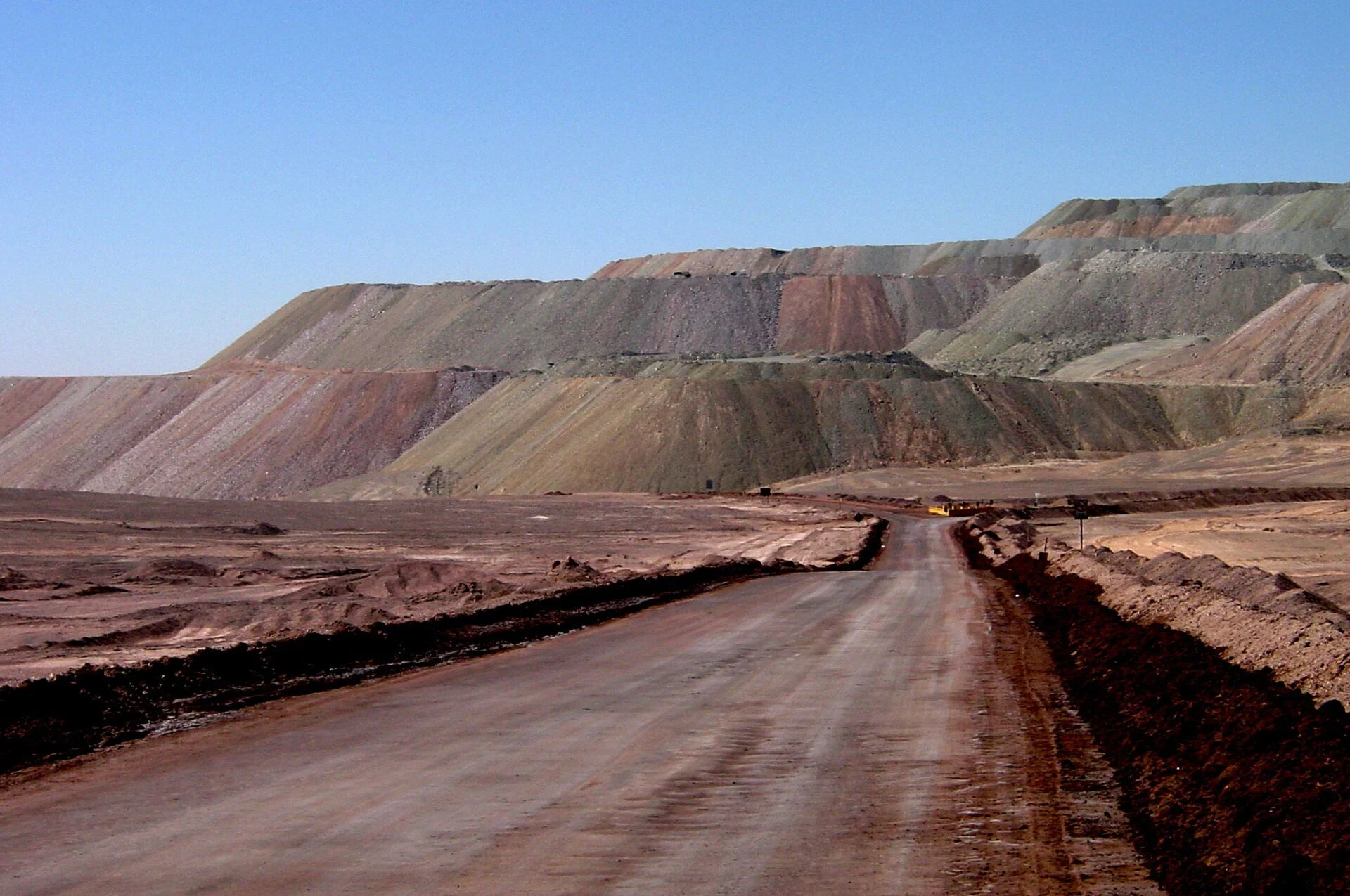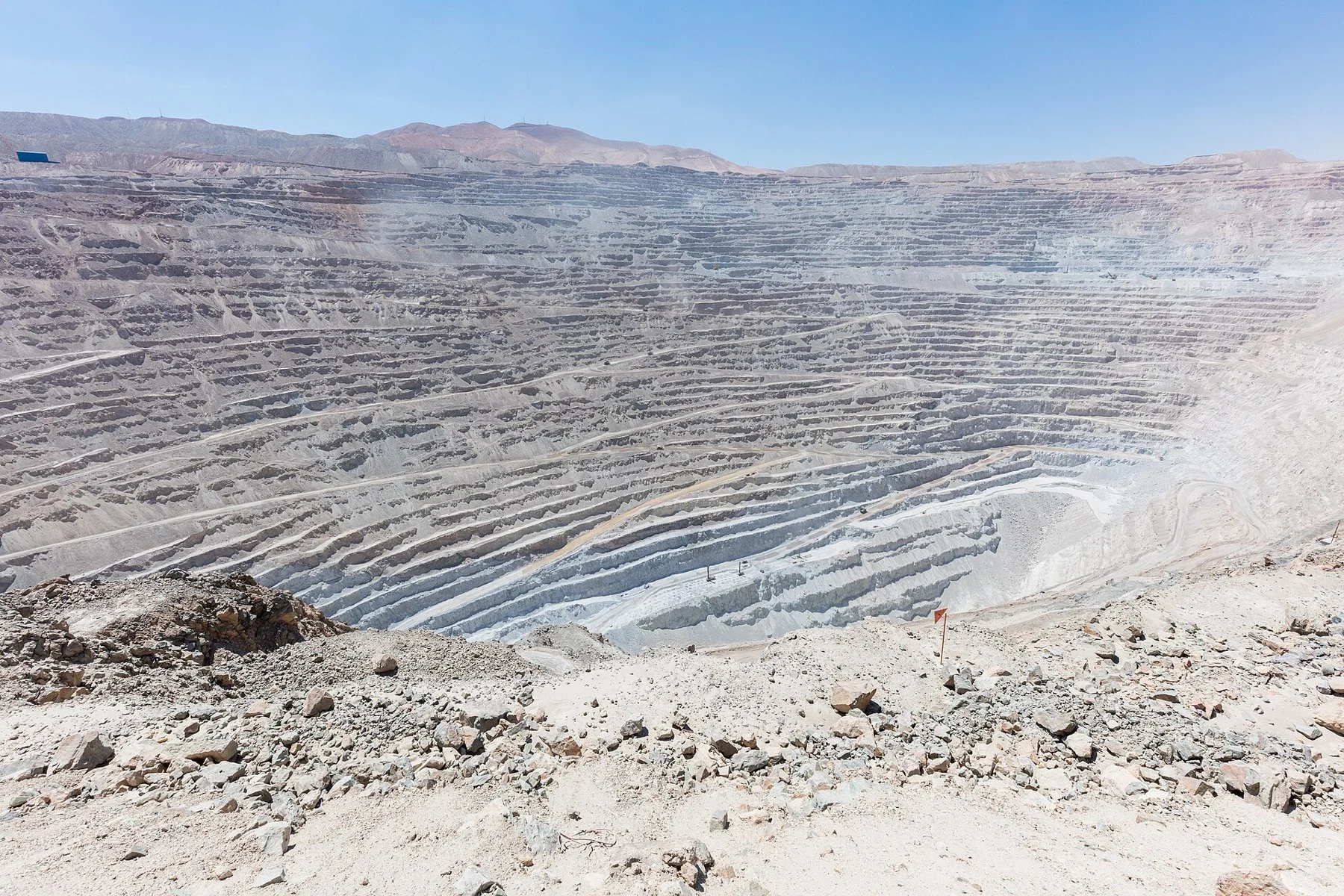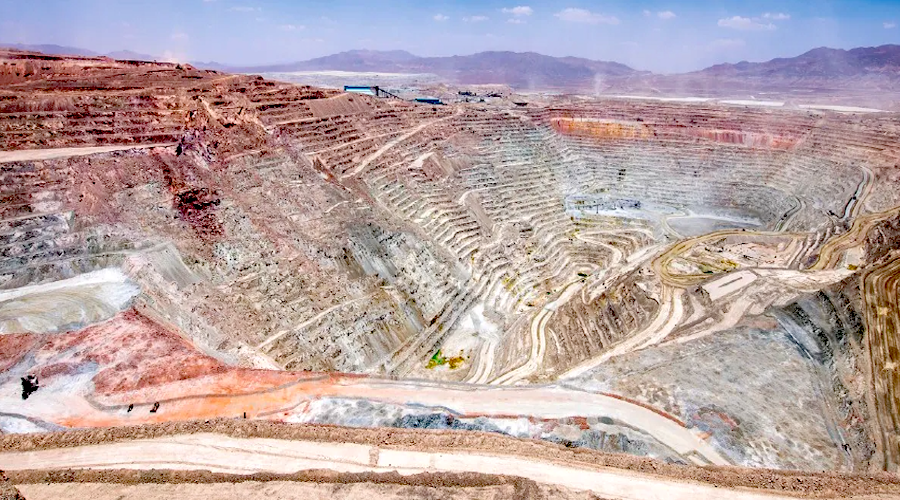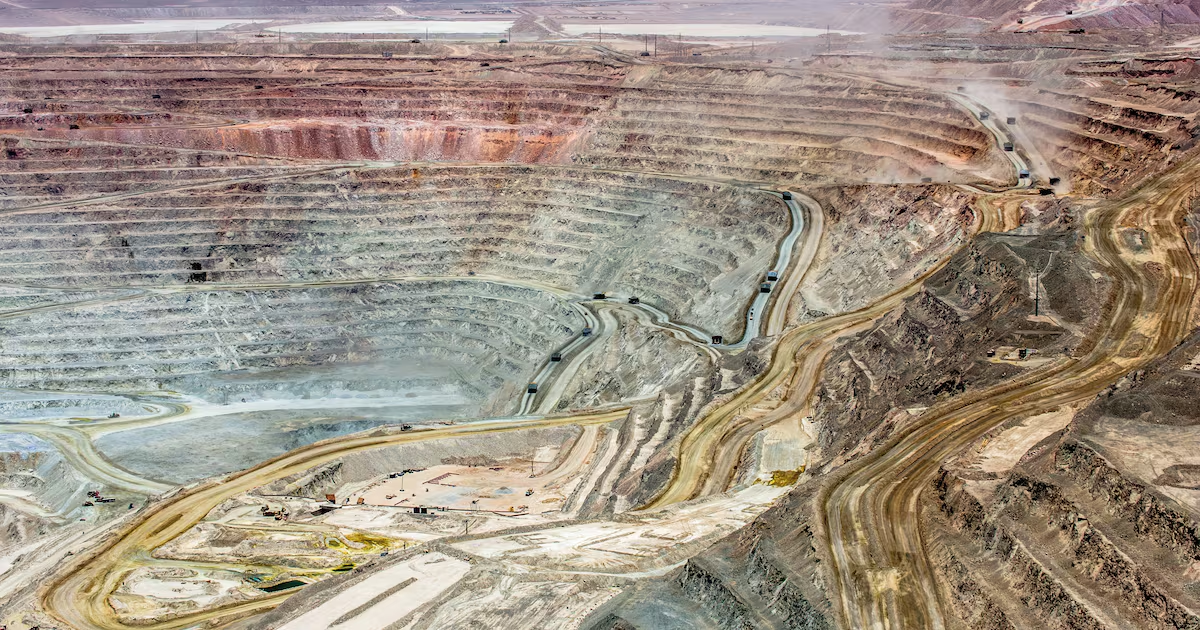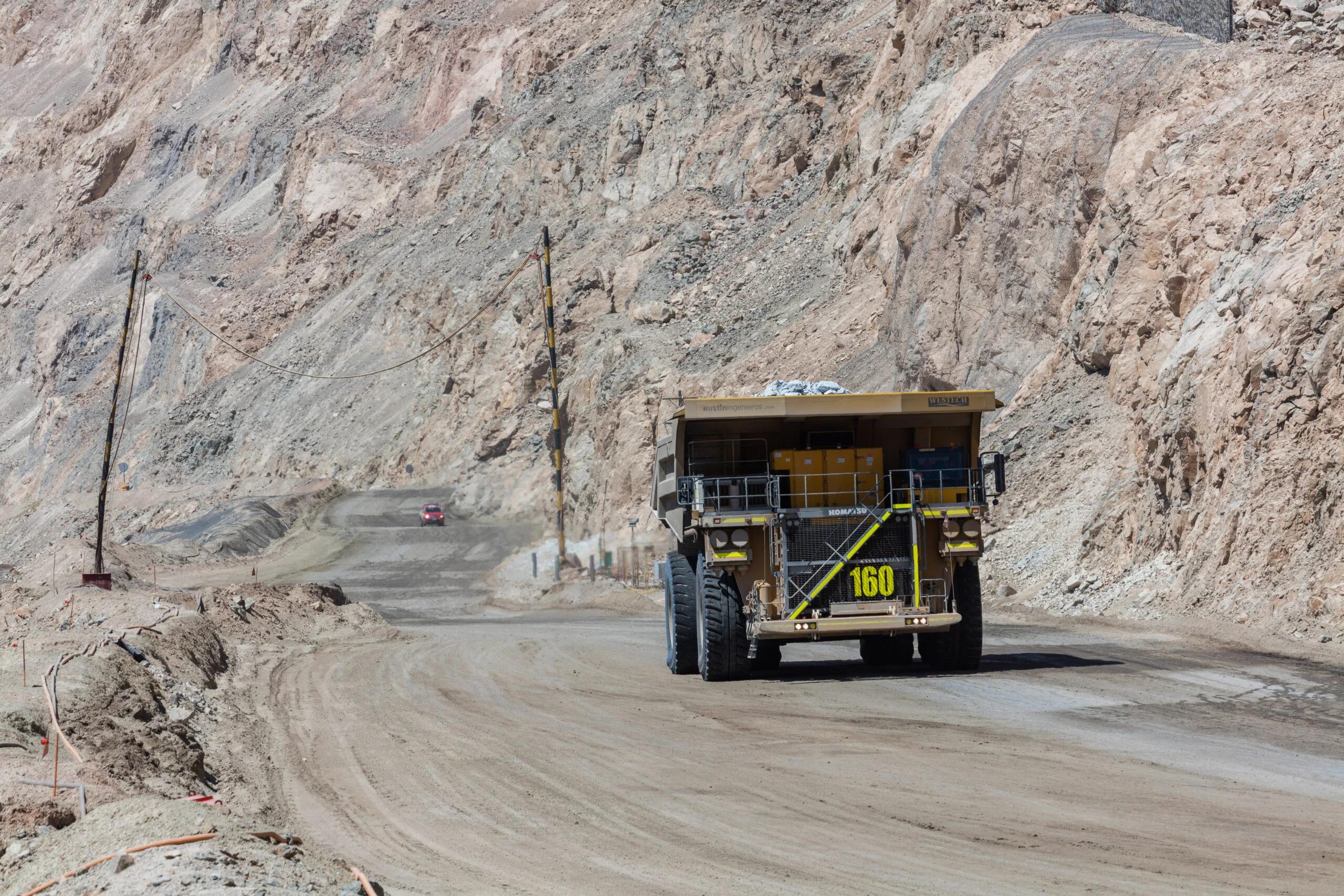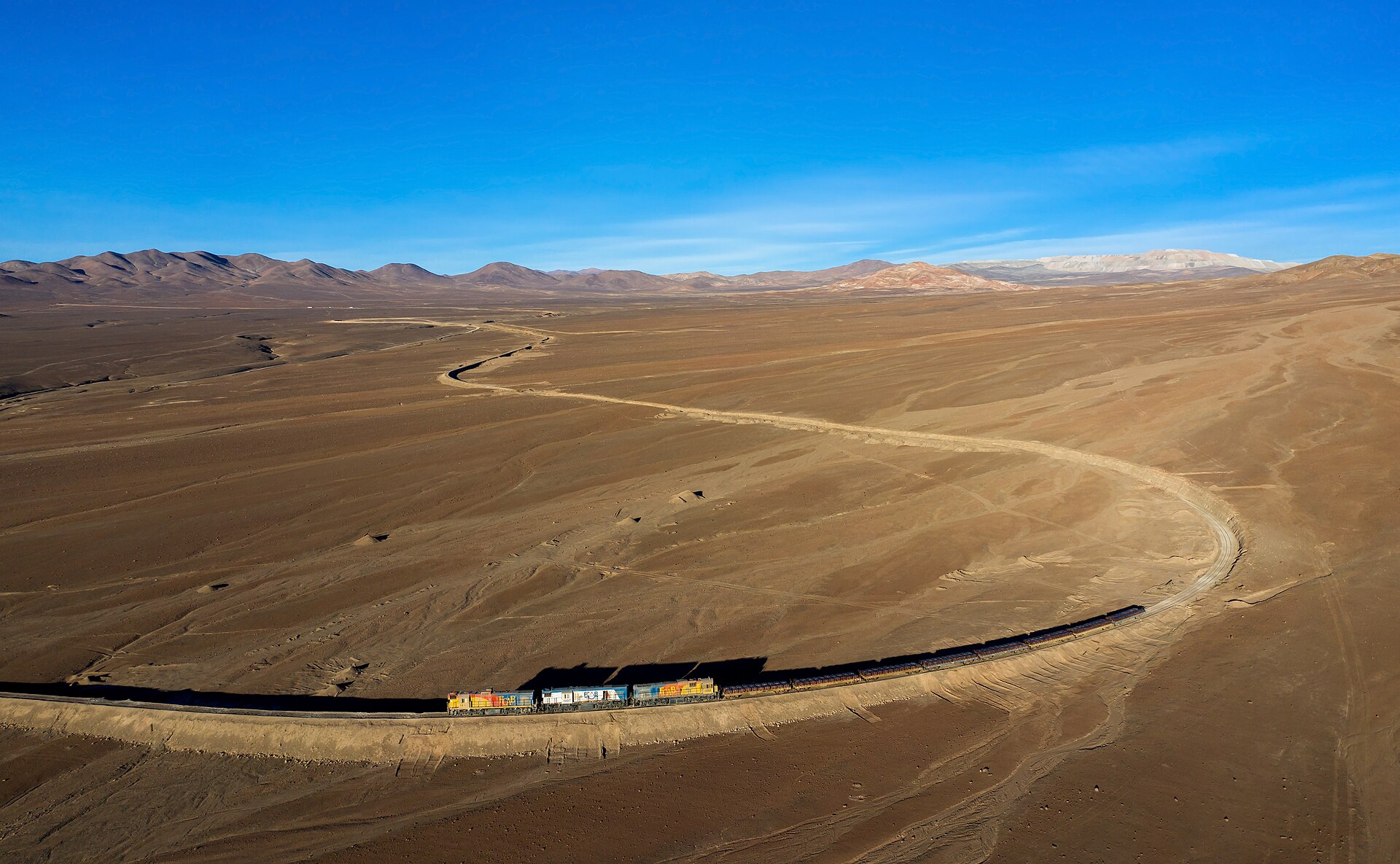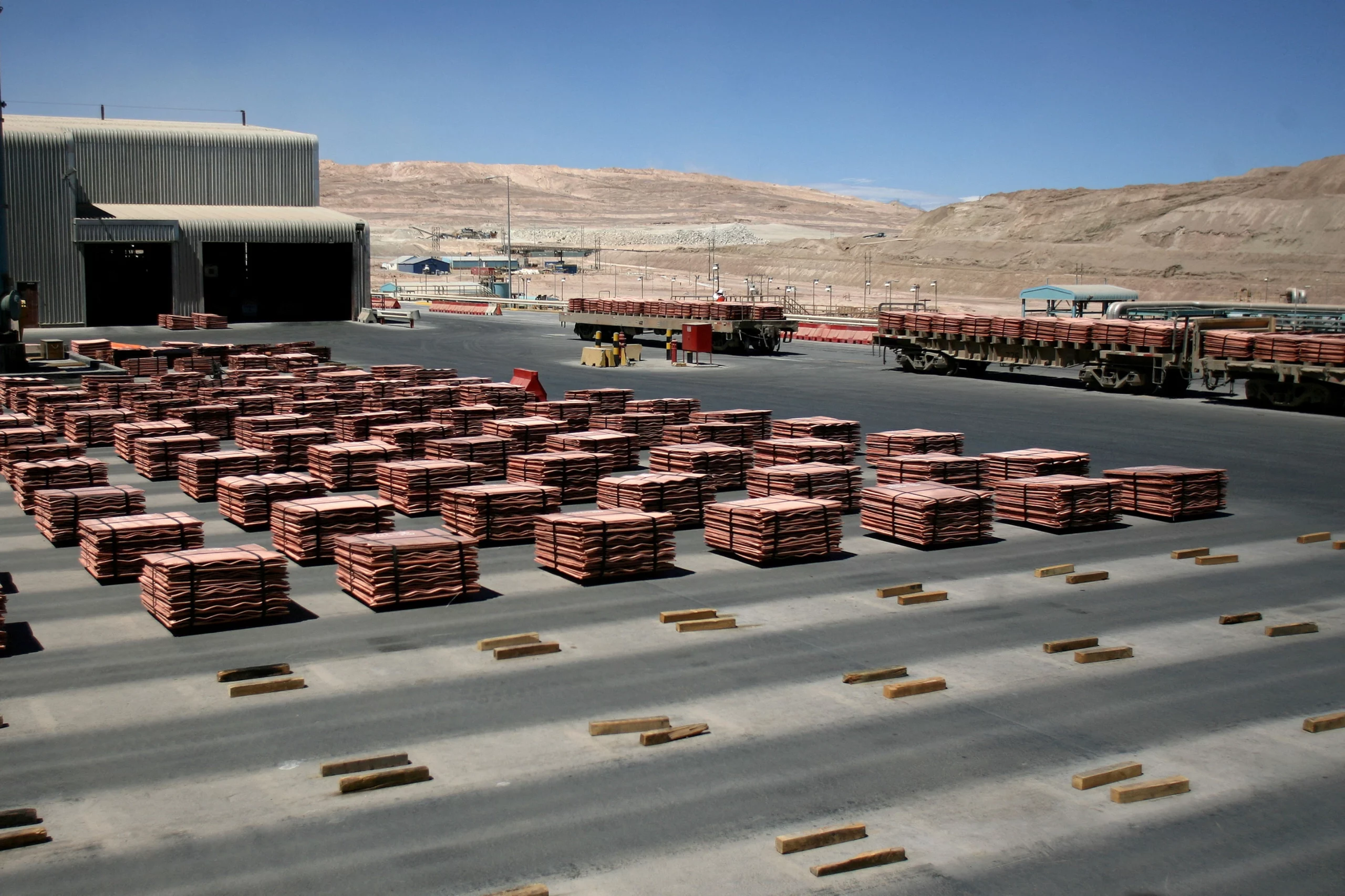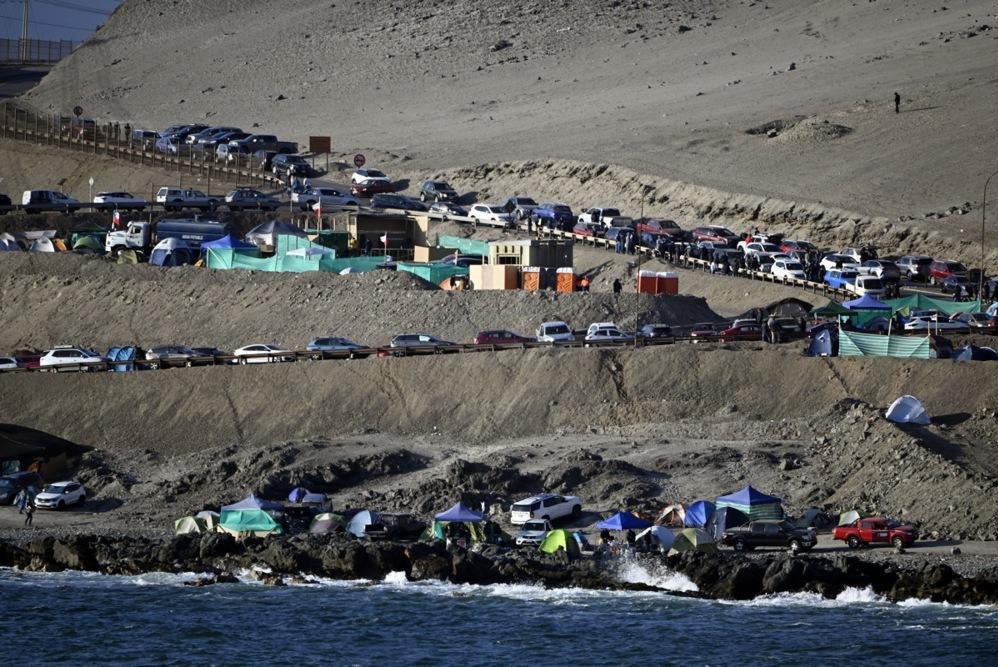
The case of Escondida, situated in the Atacama Desert, is particularly significant because the projected decline in production comes despite operational improvements at the mine. File Photo by Pedro Tapia
SANTIAGO, Chile, Aug. 24 (UPI) -- Escondida, the world's largest copper mine, is preparing to reduce production in Chile, projecting output will fall by 300,000 metric tons to 1.1 million metric tons in 2027 as ore grades decline.
The outlook has raised concerns across Chile's mining industry, where declining ore grades are expected to affect production more broadly.
As large mines age, companies must extract and process more rock to obtain the same amount of copper, increasing their energy, water and investment requirements.
"Chile's weighted average ore grade fell from 1.13% in 2002 to 0.62% in 2024, a decline of nearly 45% in just over two decades. To produce the same ton of refined copper, nearly twice as much rock has to be moved, crushed, ground and floated, and that rock is harder and deeper," Víctor Pwrez, a mining specialist and professor at Adolfo Ibáñez University's School of Engineering, told UPI.