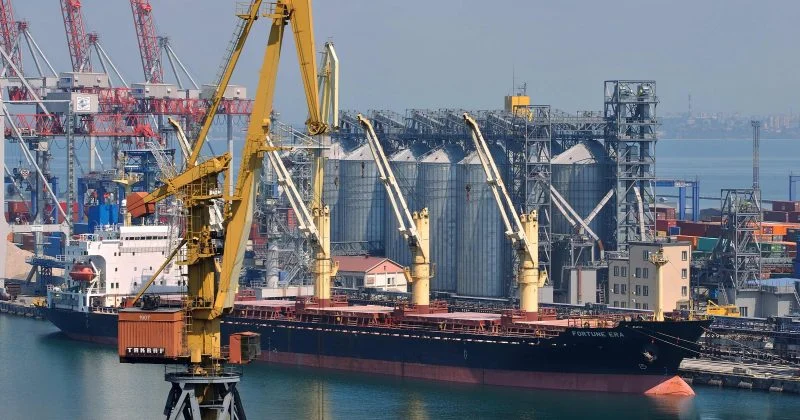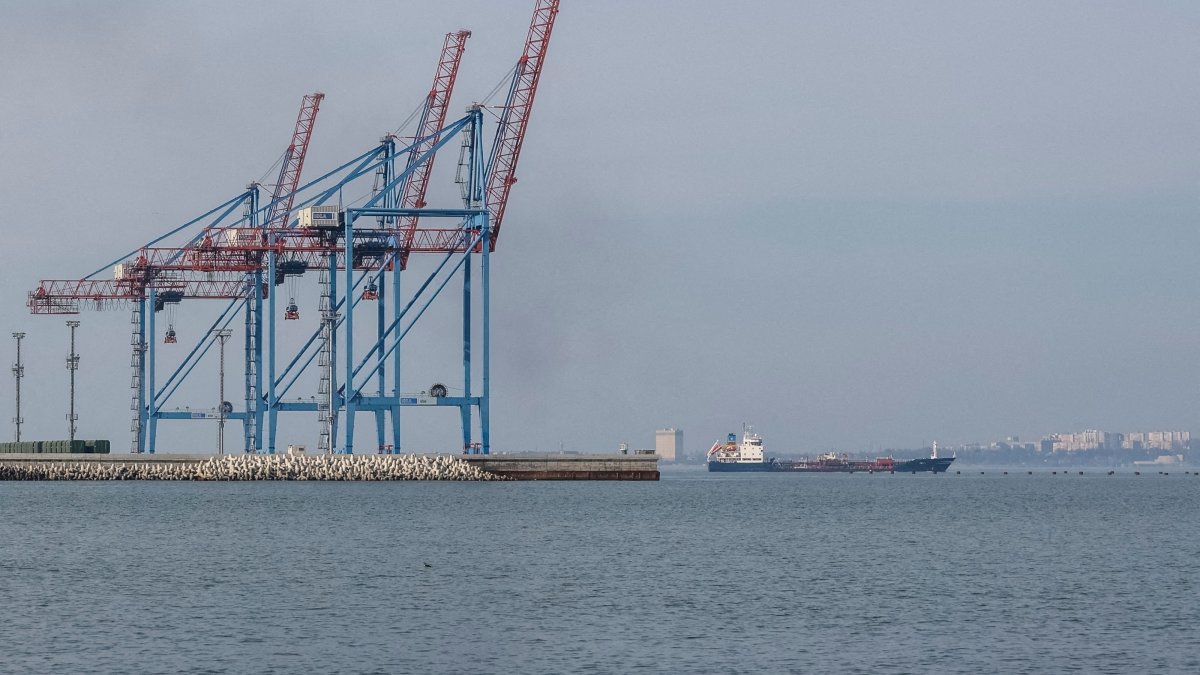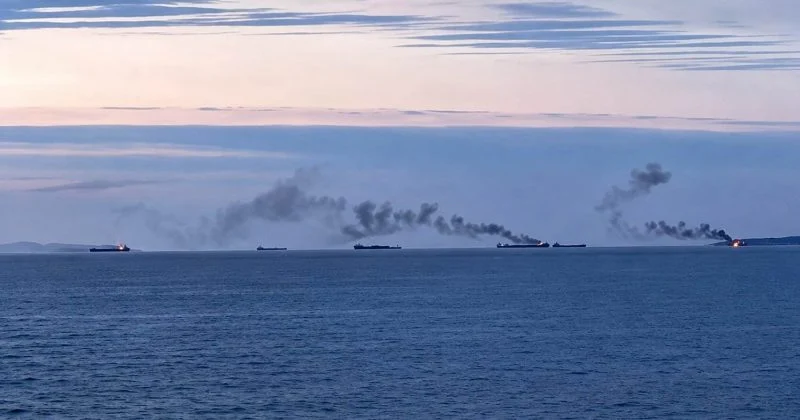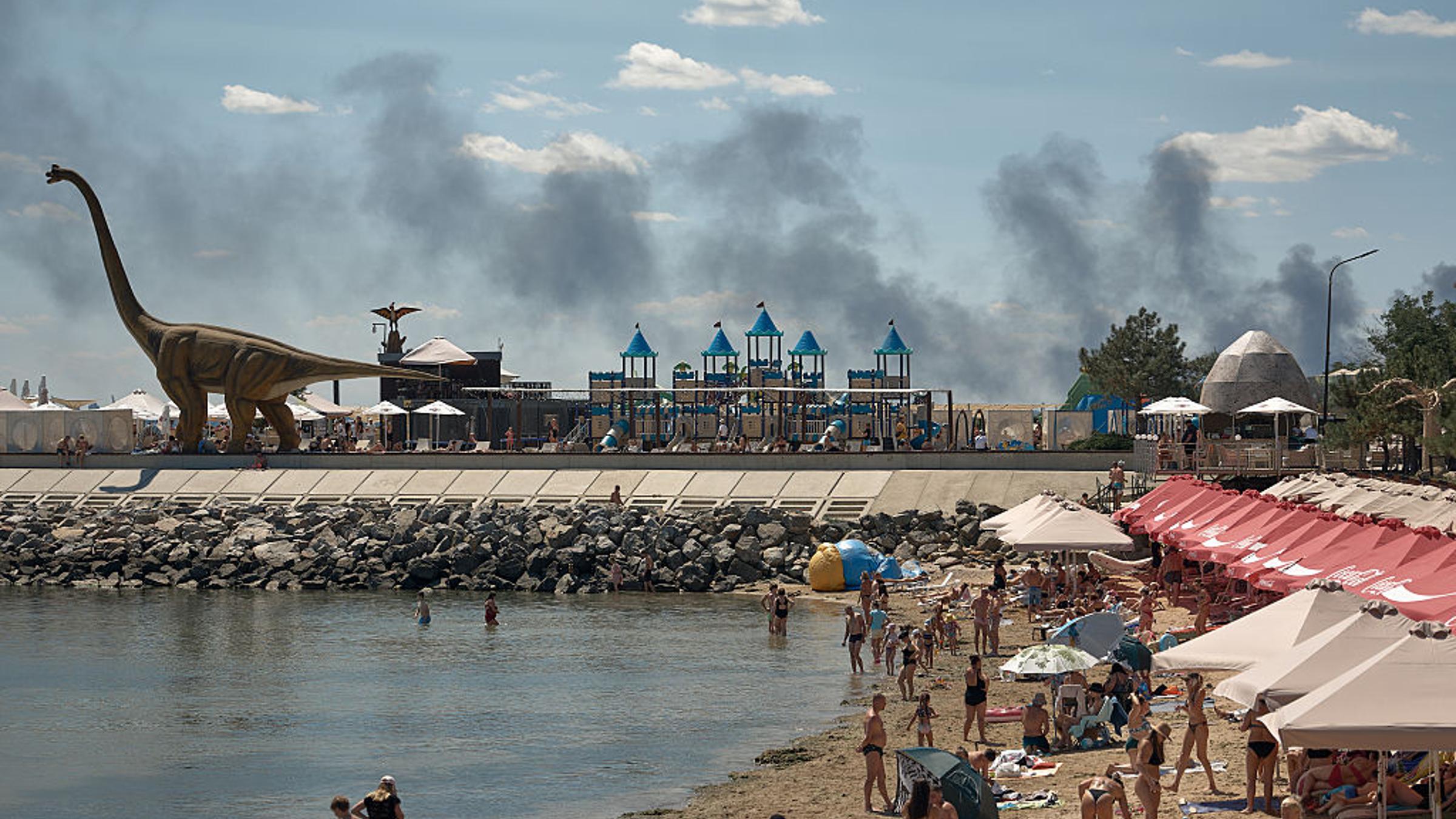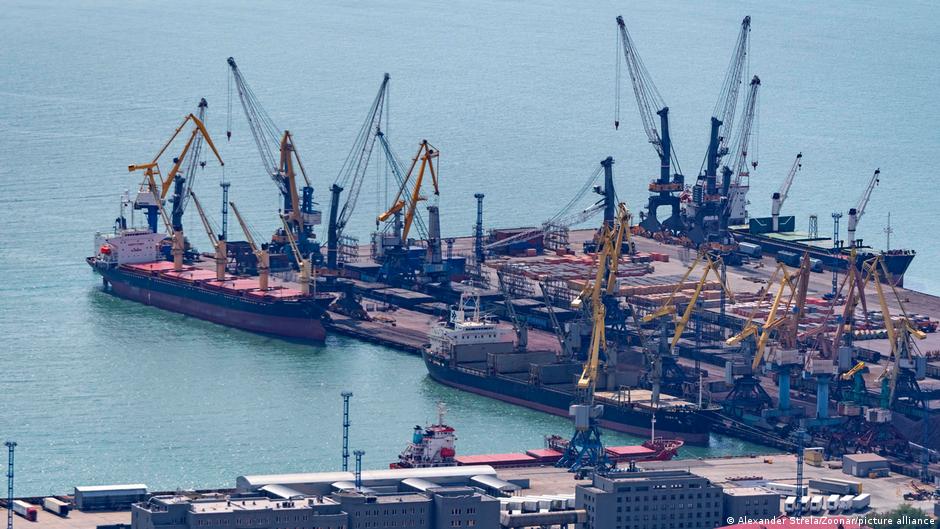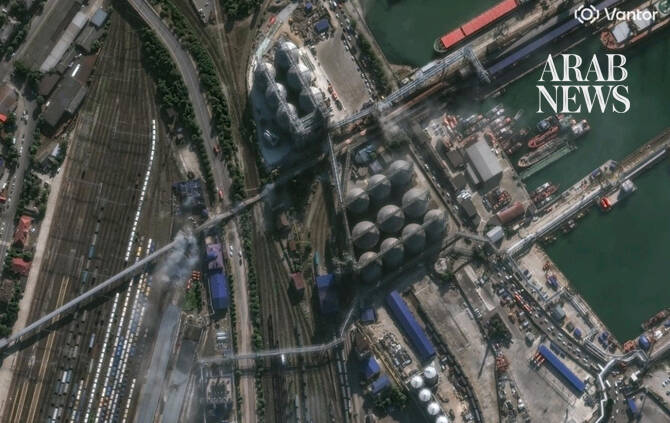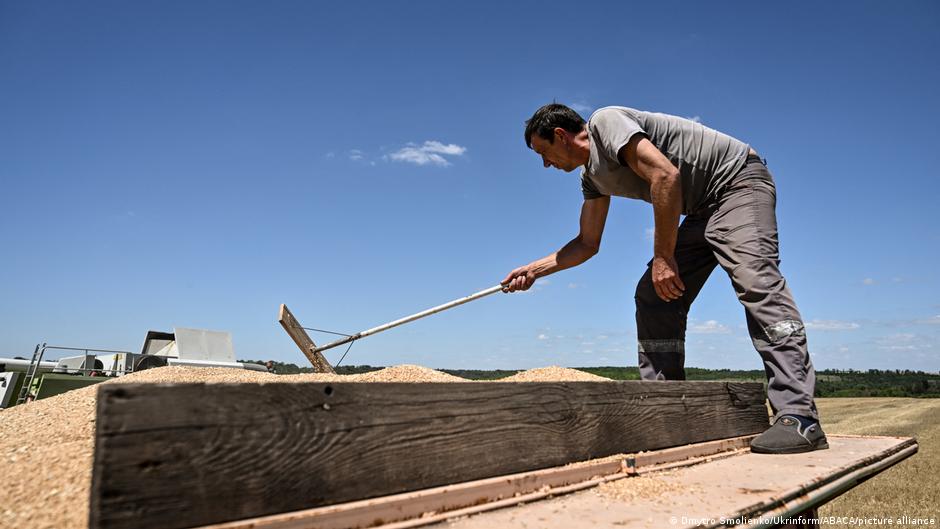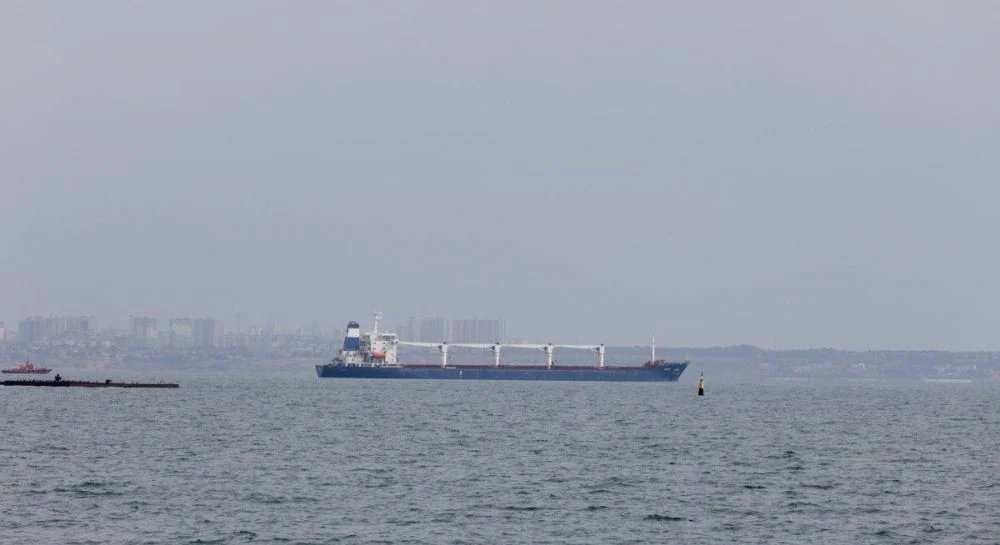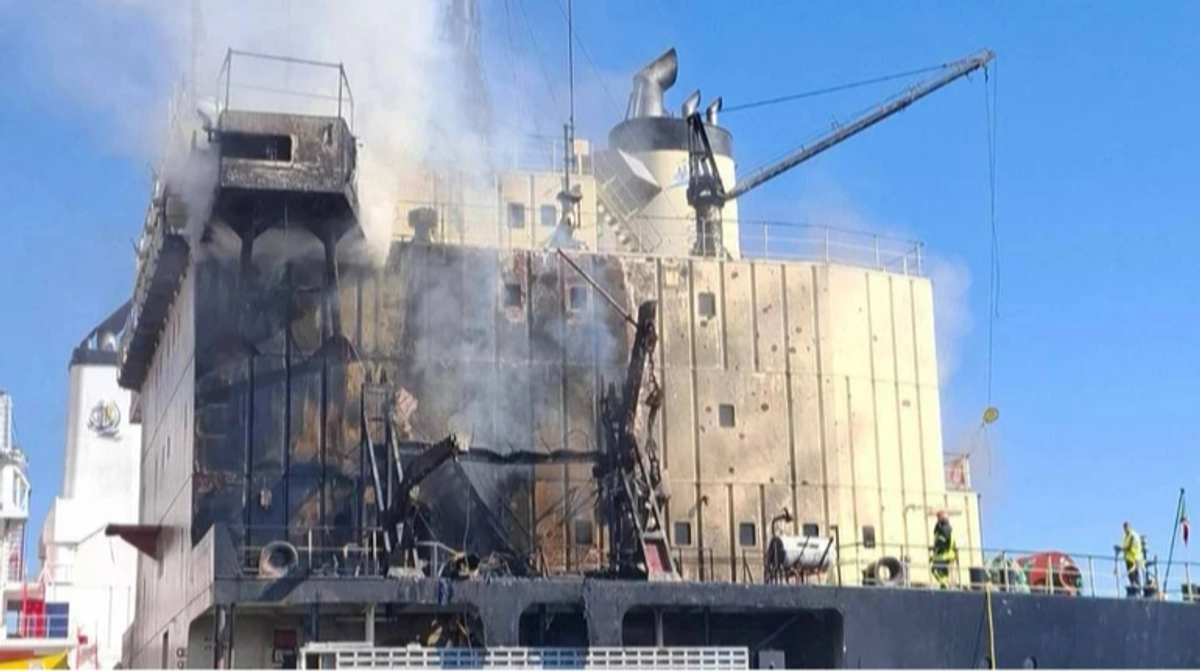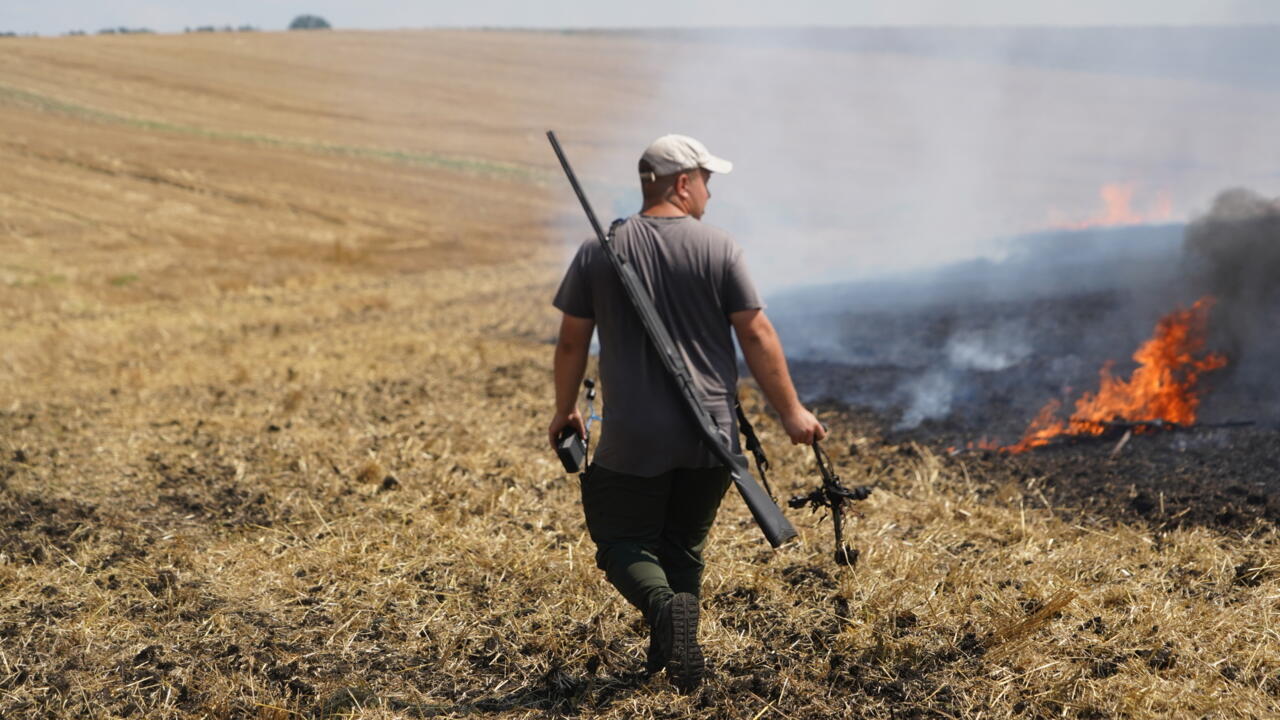
The fields are white for harvest, but the way through the Black Sea is shut. Faced with a grinding Russian advance towards the last cities in the Donbas left under Kyiv’s control, Ukraine’s state security services in June launched what Ukrainian President Volodymyr Zelensky called a “40-day campaign” of mid-to-long-range drone strikes deep into Russian territory. The aim of these strikes, he said, was to put pressure on Moscow by targeting infrastructure vital for the country’s economic life – first and foremost, the oil refineries needed to sustain Russia’s lucrative fossil fuel exports and keep Russian consumers able to fill up at the pump. Kyiv has also carried out deadly air strikes against online retailers’ warehouses that many Russian small businesses rely on to reach their customers. Read moreLive: Zelensky calls on allies to cover €27 billion gap for Ukraine’s air defence needs Since July, Ukraine has also targeted Russian ships transporting grain through the Black Sea and hammered rail and port infrastructure around the neighbouring Sea of Azov. Earlier this month, grain terminals at the major port of Novorossiysk – where the remnants of Russia’s Black Sea fleet have taken shelter – came under heavy drone fire from Ukraine. In response, Russia has stepped up its own strikes on Ukraine’s critical infrastructure, raining down drones and missiles on the grain silos and port facilities around the Black Sea city of Odesa and shelling any ship that tries to dock.
What the renewed Black Sea blockade means for Ukraine’s farmers
As Ukraine and Russia hammer each other’s Black Sea ports, the amount of grain being shipped through the crucial waterway has slowed to a crawl. For Ukraine’s farmers, the Black Sea blockade could hardly…
1,502 words~7 min read