When Russian President Vladimir Putin spoke in 2014 about Russia's motives for annexing the Ukrainian peninsula of Crimea, and thus violating international law, he justified it by saying: "We could not allow NATO forces to eventually come to the land of Crimea and Sevastopol, the land of Russian military glory, and cardinally change the balance of forces in the Black Sea area."
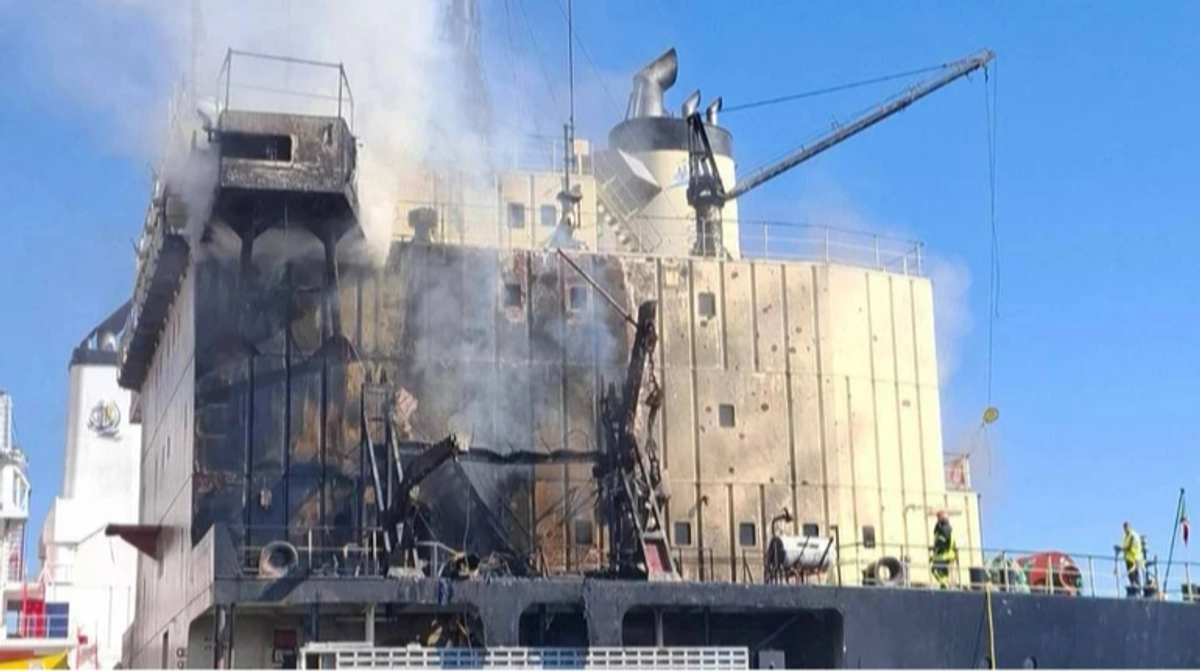
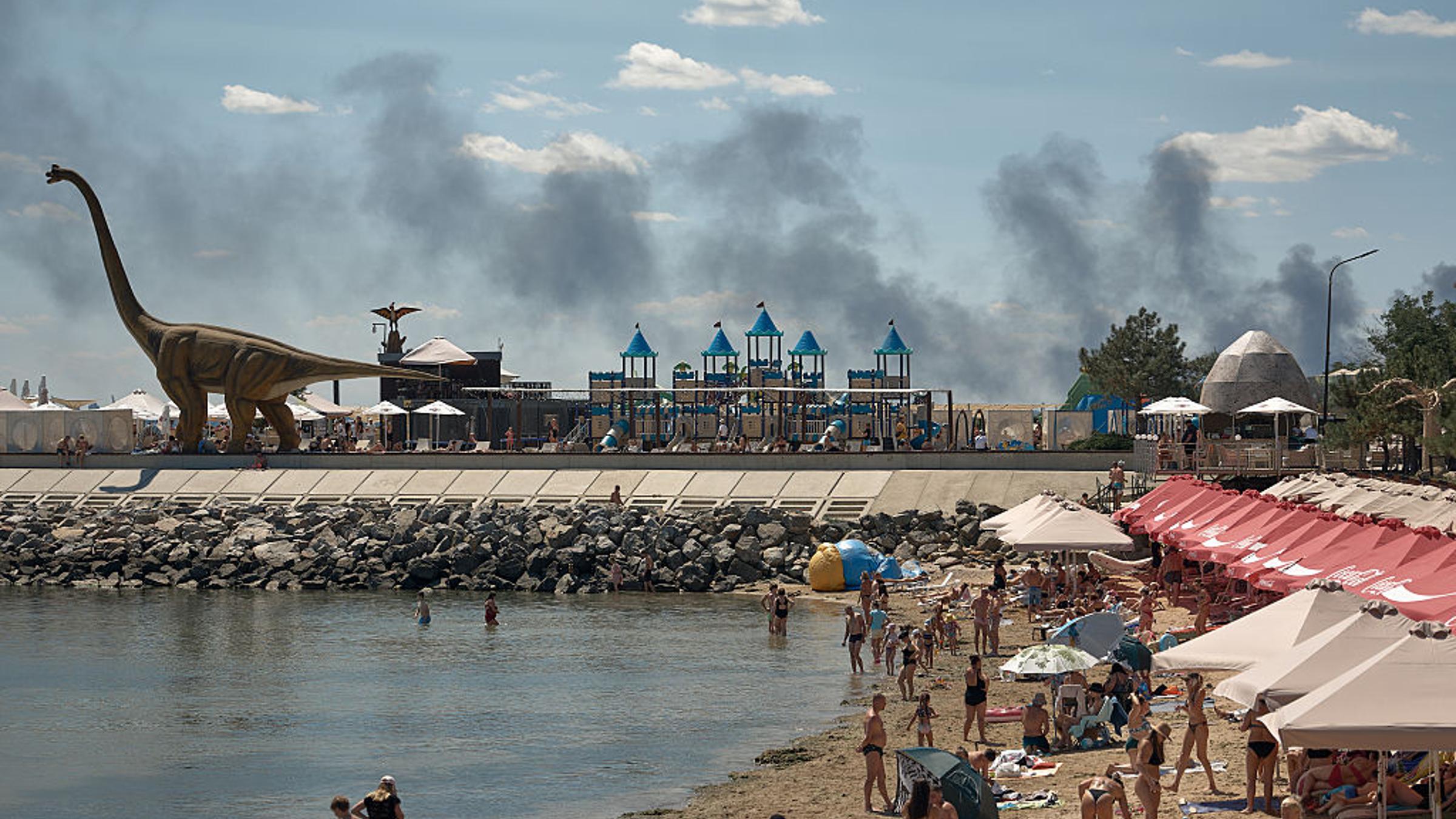
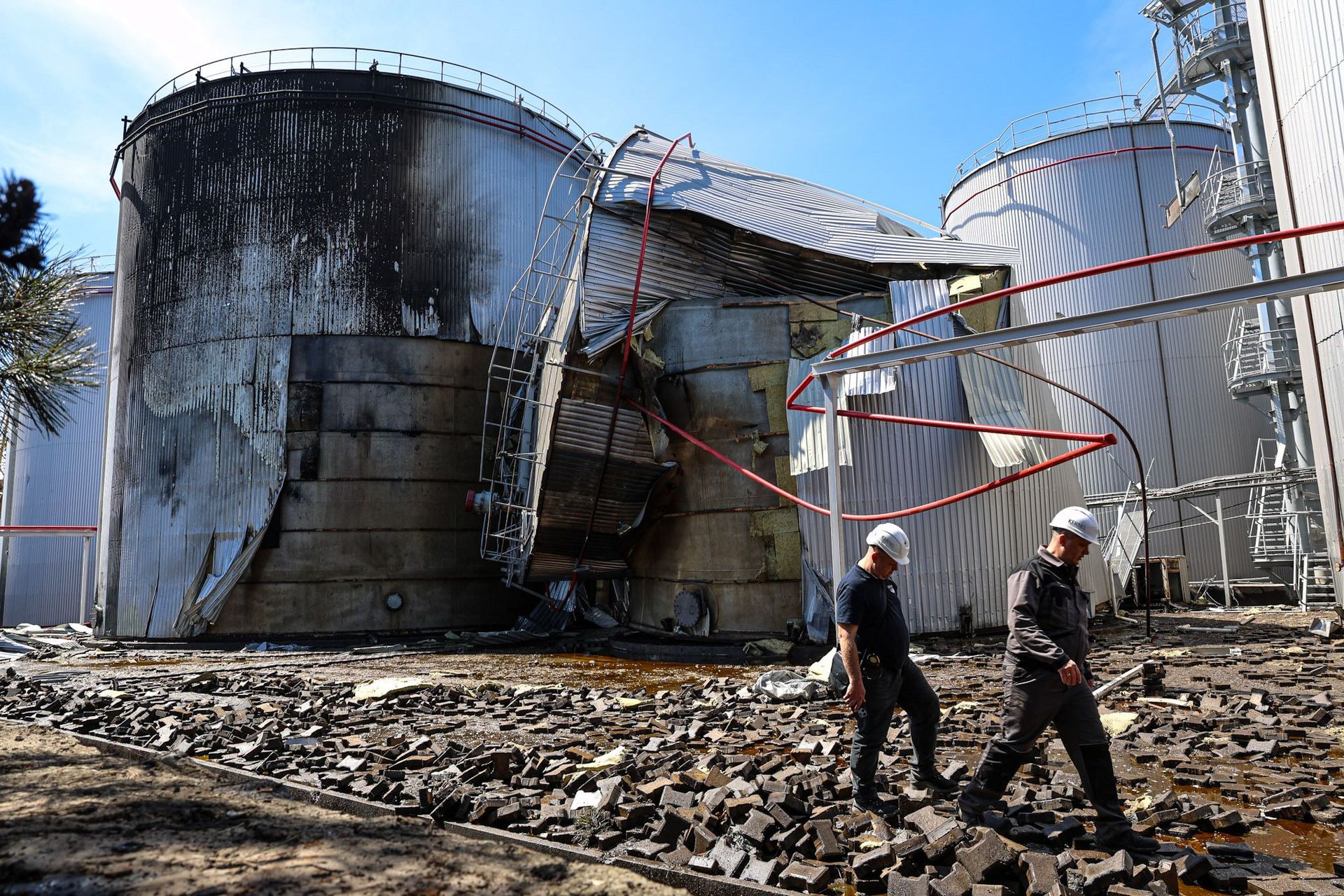
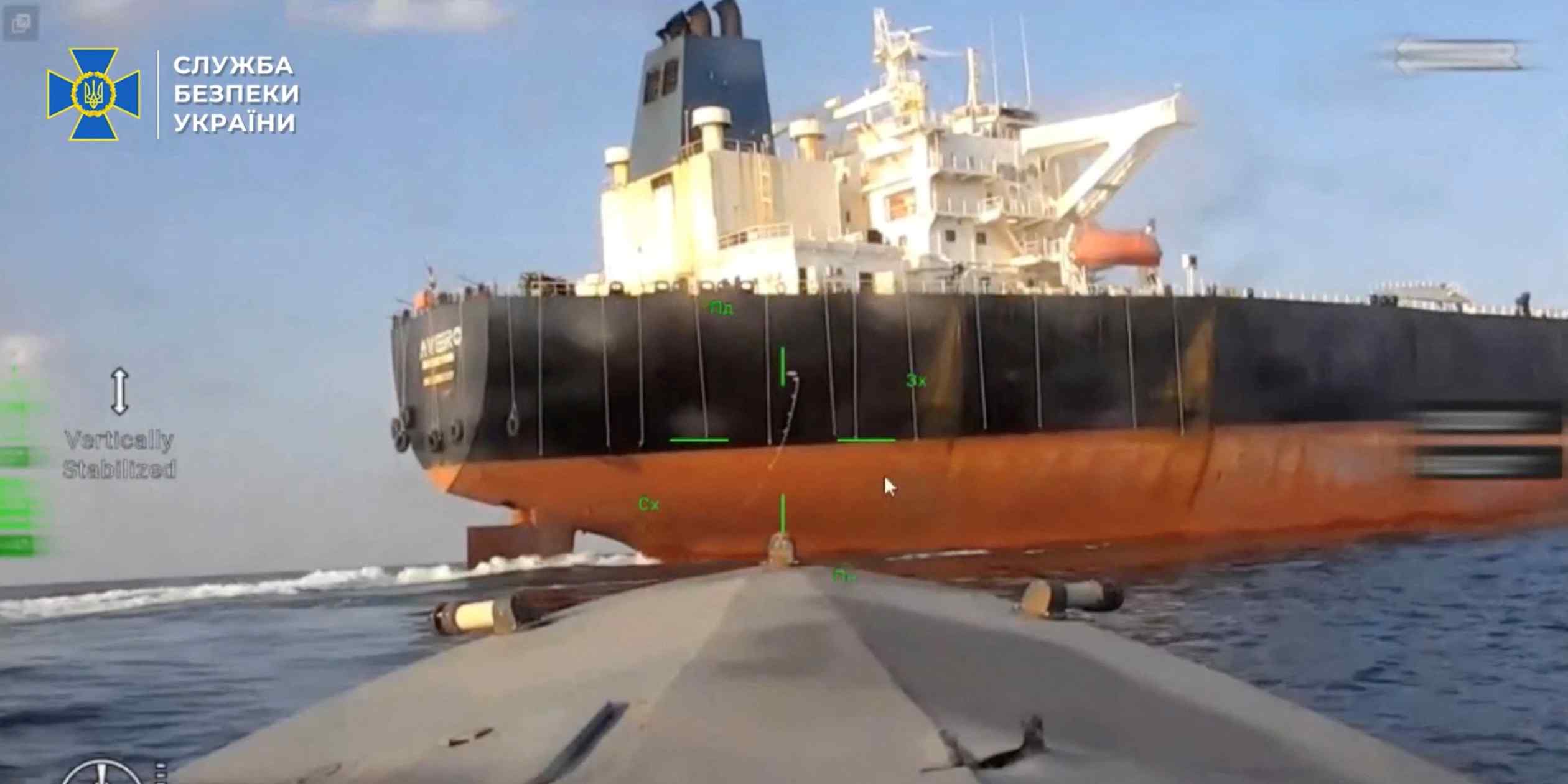
What now? Intensified Ukrainian attacks on Novorossiysk, Russia's largest commercial Black Sea port, have caused significant disruptions to oil and grain shipments in recent weeks. The Russian navy no longer dominates the region. And exporting goods via the Black Sea is becoming increasingly difficult for Russia because of Ukraine's drone strikes. It is only possible to reorganize logistics partially.
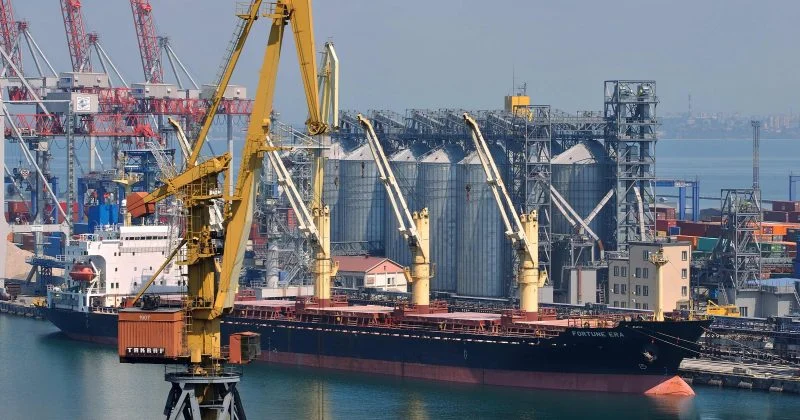
If the attacks continue at such intensity, the consequences for Russian exporters and the national budget could be significant, experts told DW.Container ships and other vessels have also come under attackImage: Igor Onuchin/TASS/ZUMA/picture alliance
Novorossiysk major Russian hub for exports
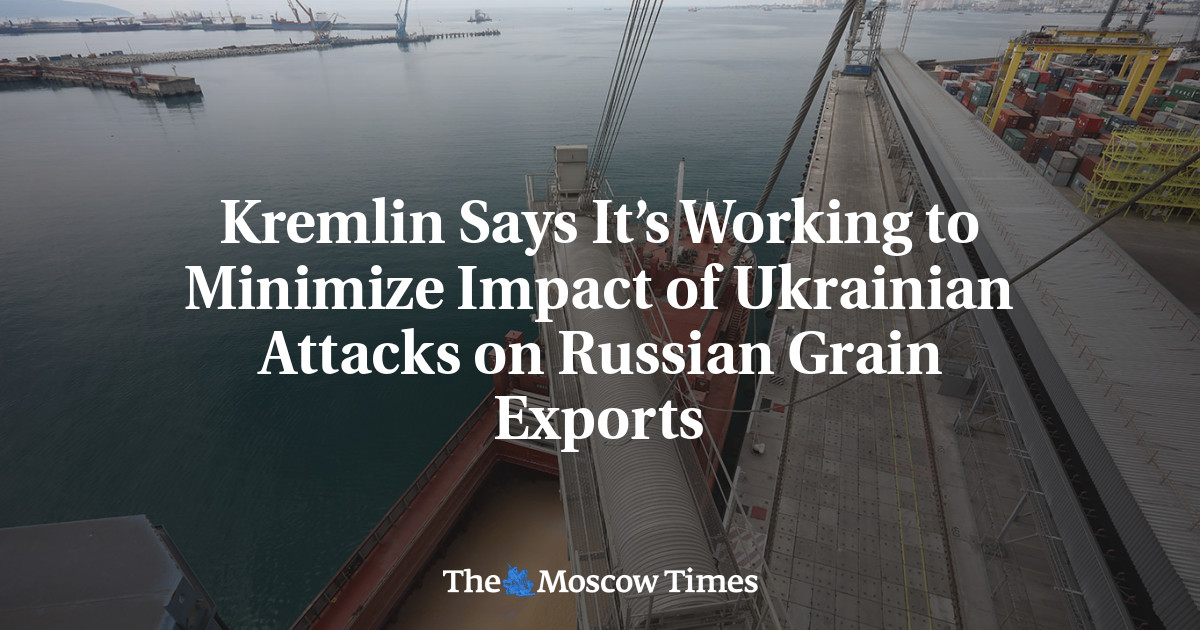
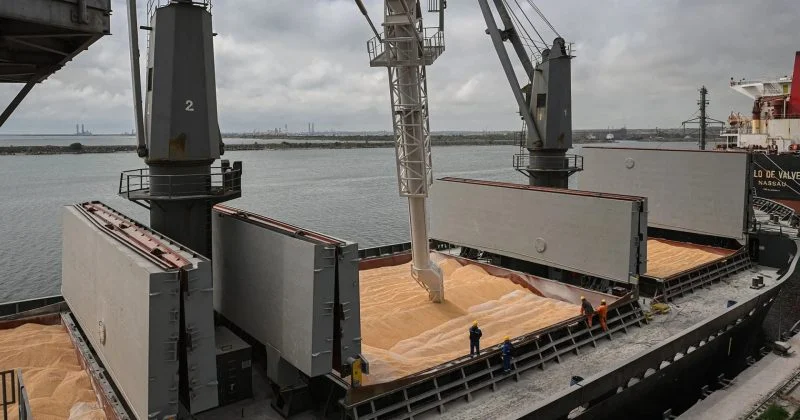
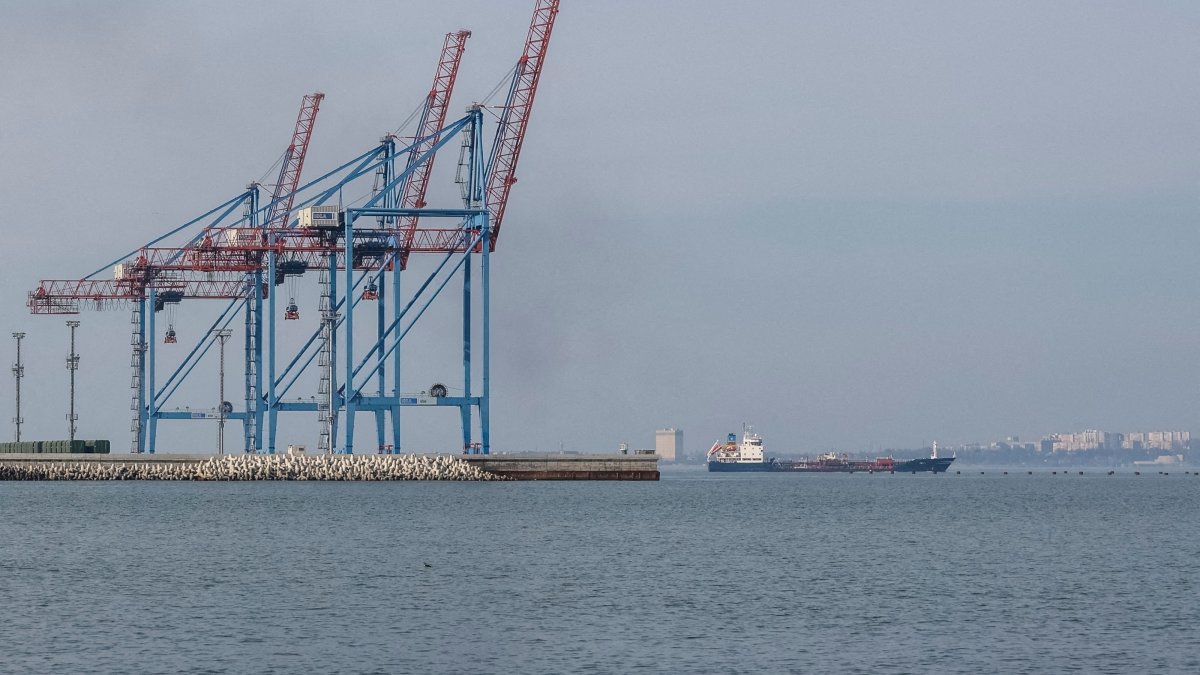
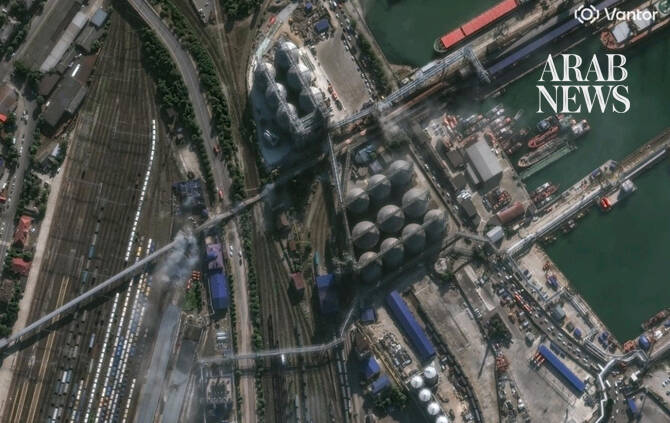
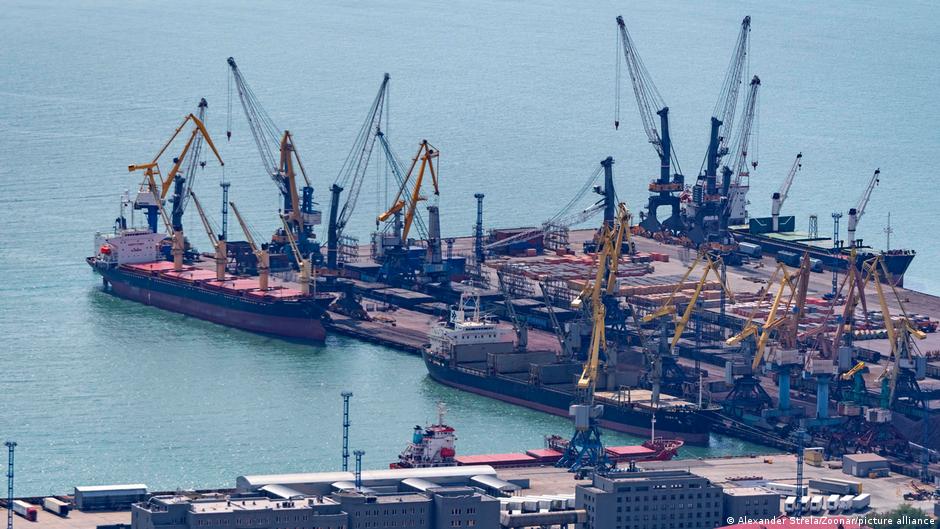
Novorossiysk has been a major hub for Russian exports since the 19th century and even today it remains Russia's largest port in terms of cargo volume, as well as one of the largest in Europe. Up to a third of Russia's grain exports are handled through the hub, which is located close to the country's major agricultural regions. Crude oil, metals and containerized goods also pass through the port.Recent Ukrainian maritime and aerial drone attacks have severely disrupted shipments, particularly of grain. Andrei Sisov, the head of SovEcon, a research and consulting firm specialized in agriculture, uses Telegram to follow the developments. On August 12, he posted that the Novorossiysk Bread Products Plant (NKHP ) — one of Russia's largest grain export terminals — and the Novorossiysk grain terminal had ceased operations. A day later, KSK, one of Russia's largest deep-water grain terminals, also halted its operations. Operations at a major grain terminal in Taman had already come to a standstill at the end of July. Prior to that, Ukraine paralyzed operations at the shallow-water ports of the Sea of Azov.