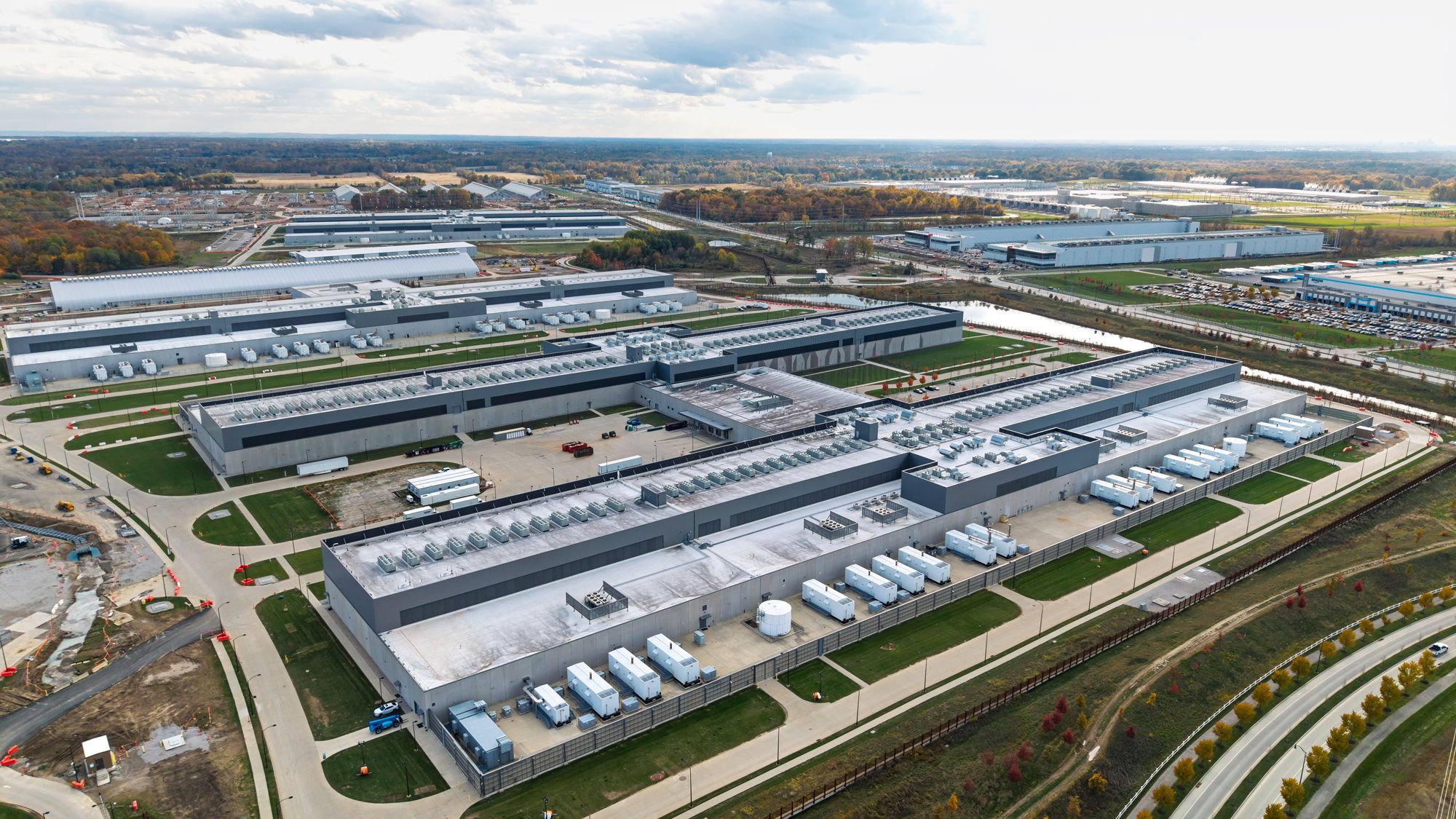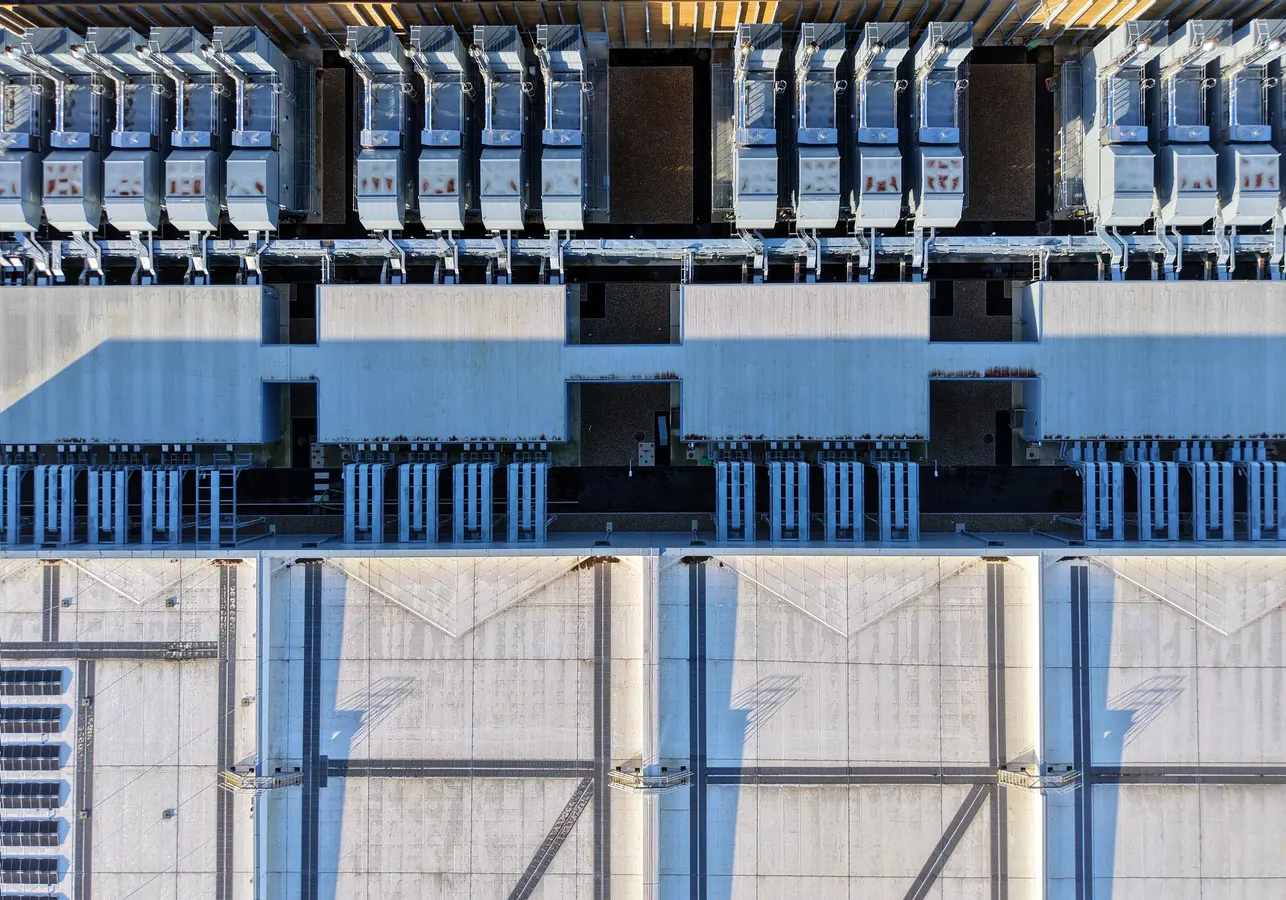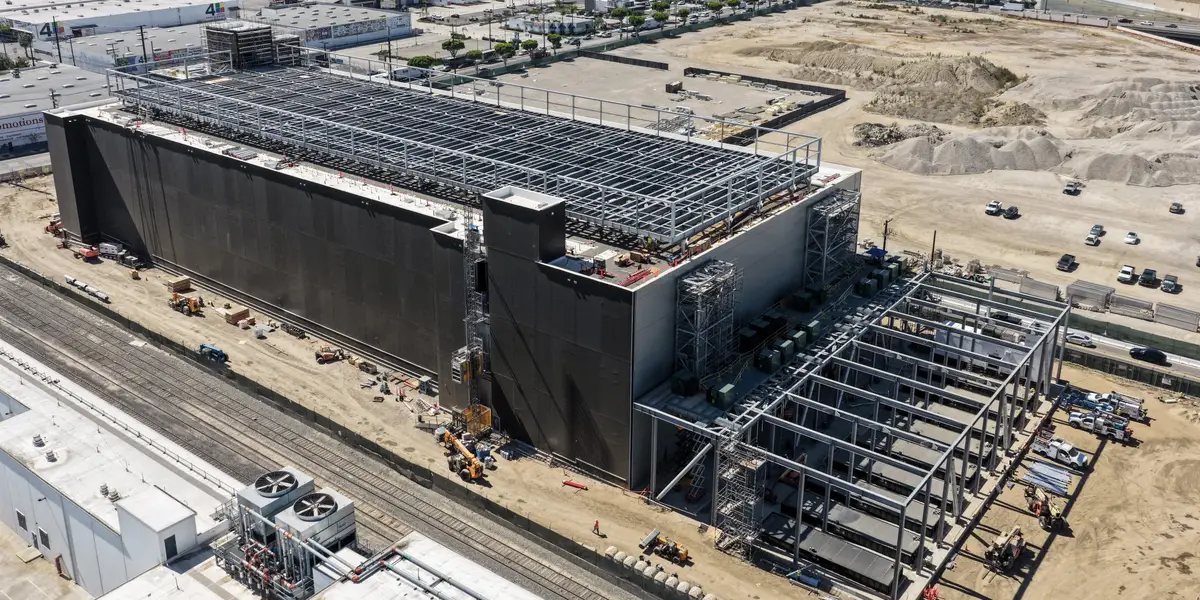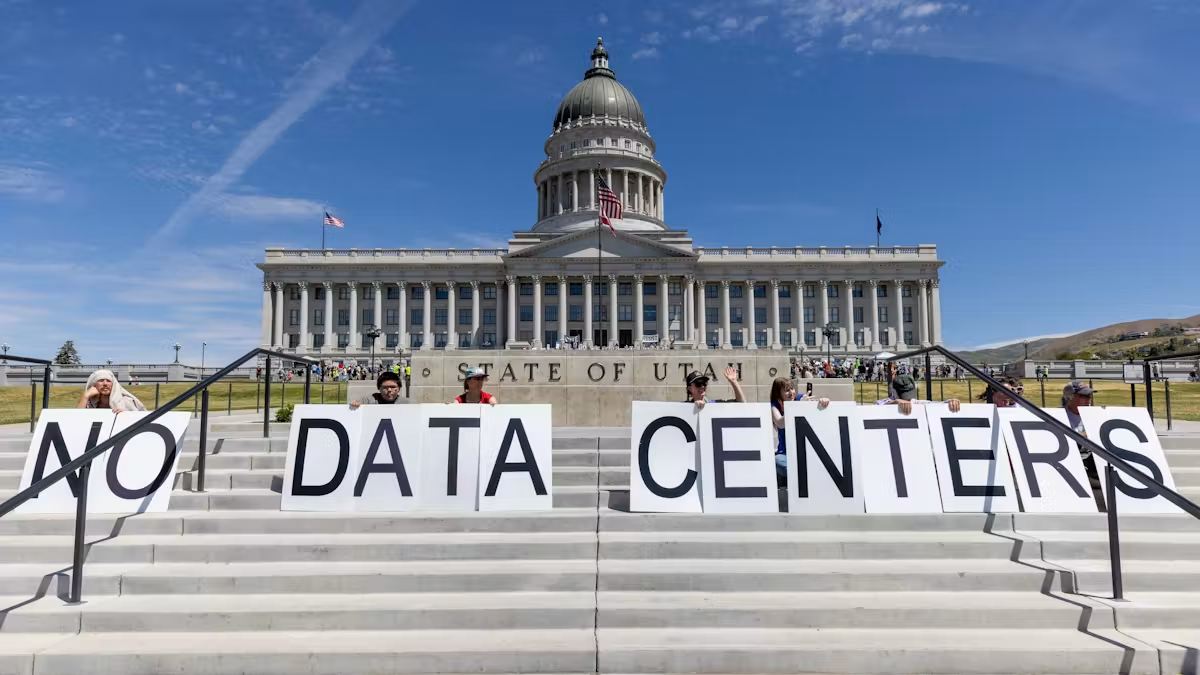
We talk a lot about what AI can do, but not enough about where all that AI actually lives.ChatGPT, Gemini, Claude and the countless other AI tools that have appeared over the past few years, all of which require enormous data centers packed with servers and GPUs. Building them requires land, electricity and, depending on the cooling system, water.But in communities across the country, residents haven't always known exactly what was coming until surprisingly late in the process.Data center developers have used nondisclosure agreements, shell companies and code names while negotiating projects with local governments. In some cases, public officials themselves have signed agreements preventing them from talking about projects that could eventually consume huge amounts of their community's electricity.Now that secrecy is becoming part of the growing backlash against AI data centers.New rules on data center development
(Image credit: Shutterstock)Pennsylvania Gov. Josh Shapiro signed an executive order on August 18 imposing new rules on AI data center development in the state. Among them: state agencies under his authority can no longer enter into nondisclosure agreements with data center developers.Pennsylvania is also removing AI data centers from its fast-track permitting program and requiring more public disclosure and community involvement before projects move forward.Get instant access to breaking news, the hottest reviews, great deals and helpful tips.It's a striking change, particularly because Pennsylvania has been aggressively courting the data center boom. Amazon announced plans last year to invest at least $20 billion in data center campuses in the state.So how did we get from states fighting to attract AI infrastructure to governments demanding to know who's actually building it?The secrecy isn't limited to PennsylvaniaUniversity of Mary Washington researchers found that 25 of the 31 Virginia localities with an existing, approved or proposed data center had entered into nondisclosure agreements. The researchers warned that the true number could be higher.In Texas, developers have used shell companies and NDAs that can make it difficult for residents — and sometimes even state officials — to determine who is behind a proposed project.Wisconsin communities have faced similar questions over secret agreements surrounding potential data center developments.The argument for confidentiality isn't completely unreasonable. Companies don't necessarily want competitors knowing where they're considering buying land or building billions of dollars worth of infrastructure before a deal is finalized.The problem is what happens when those negotiations involve resources public citizens use, too.A hyperscale AI data center isn't the same thing as a company quietly considering a new office building. It can require enormous amounts of electricity and resources, along with new transmission lines and other infrastructure. Local and state governments may also offer tax incentives to persuade companies to build there.The lack of information can leave communities debating projects without knowing what they could eventually be asked to support. The World Resources Institute estimates that a modern AI data center can use as much electricity as 100,000 homes, while the largest facilities may consume far more. Large data centers can use as much as 5 million gallons of water a day, and communities may need to build substations, transmission lines, roads and water infrastructure that remain in place for decades.Without details about a project’s size and resource demands, residents have little opportunity to judge whether the promised investment and jobs are worth those long-term costs.Even Microsoft is backing away from NDAs