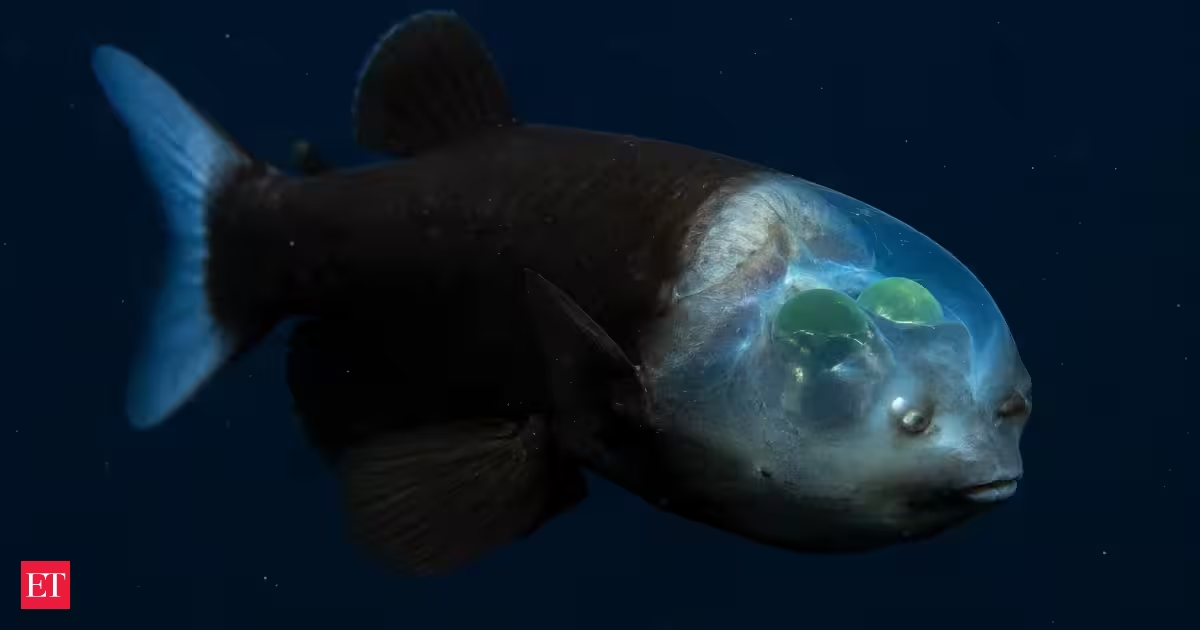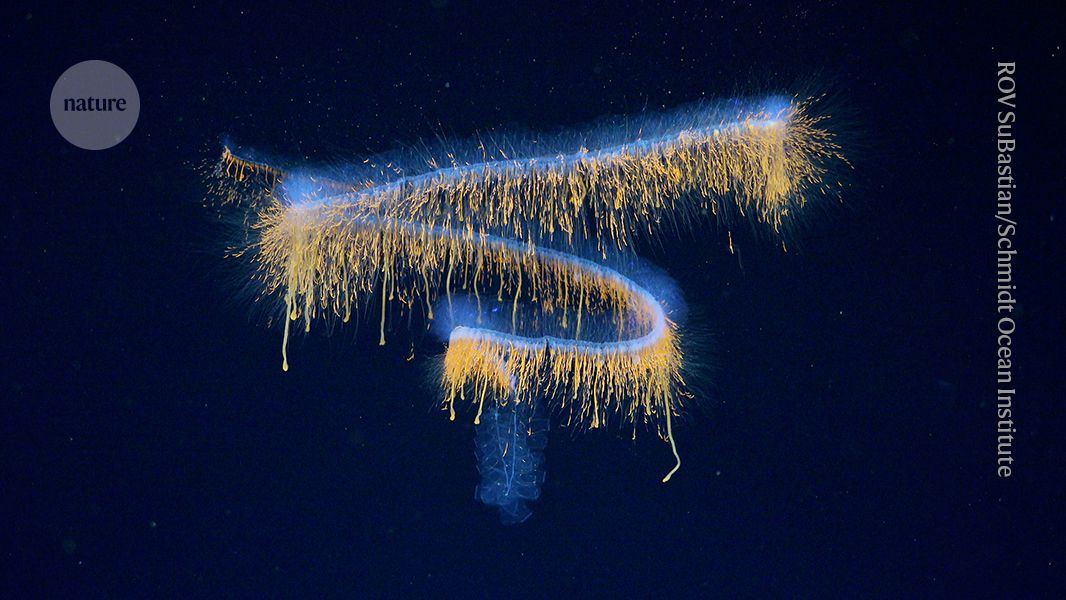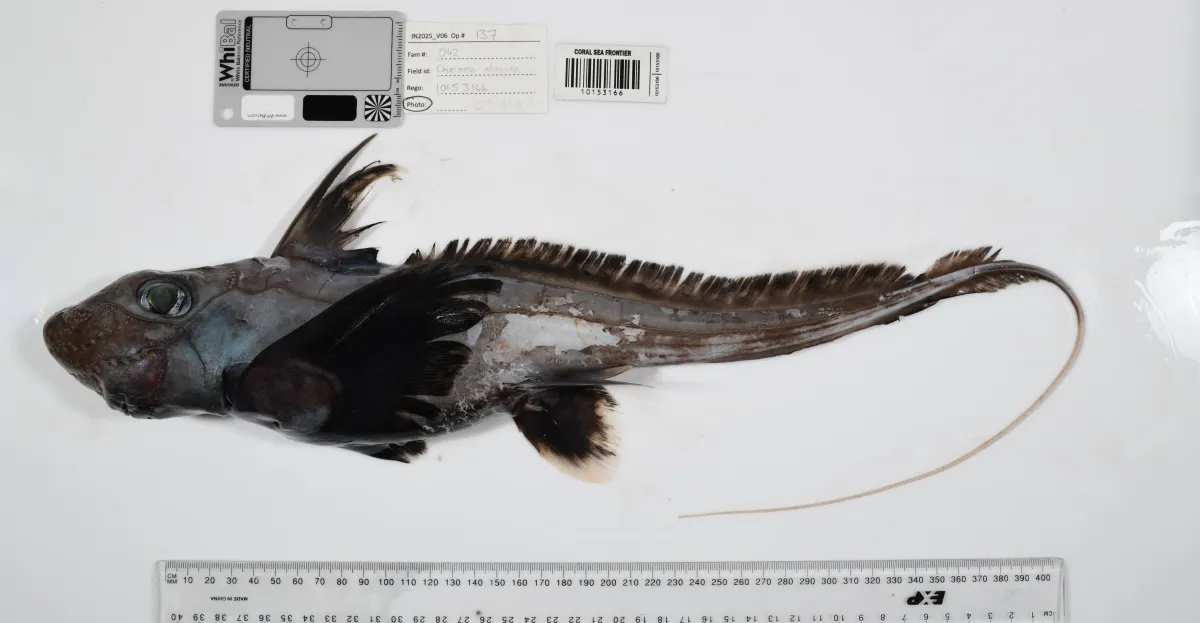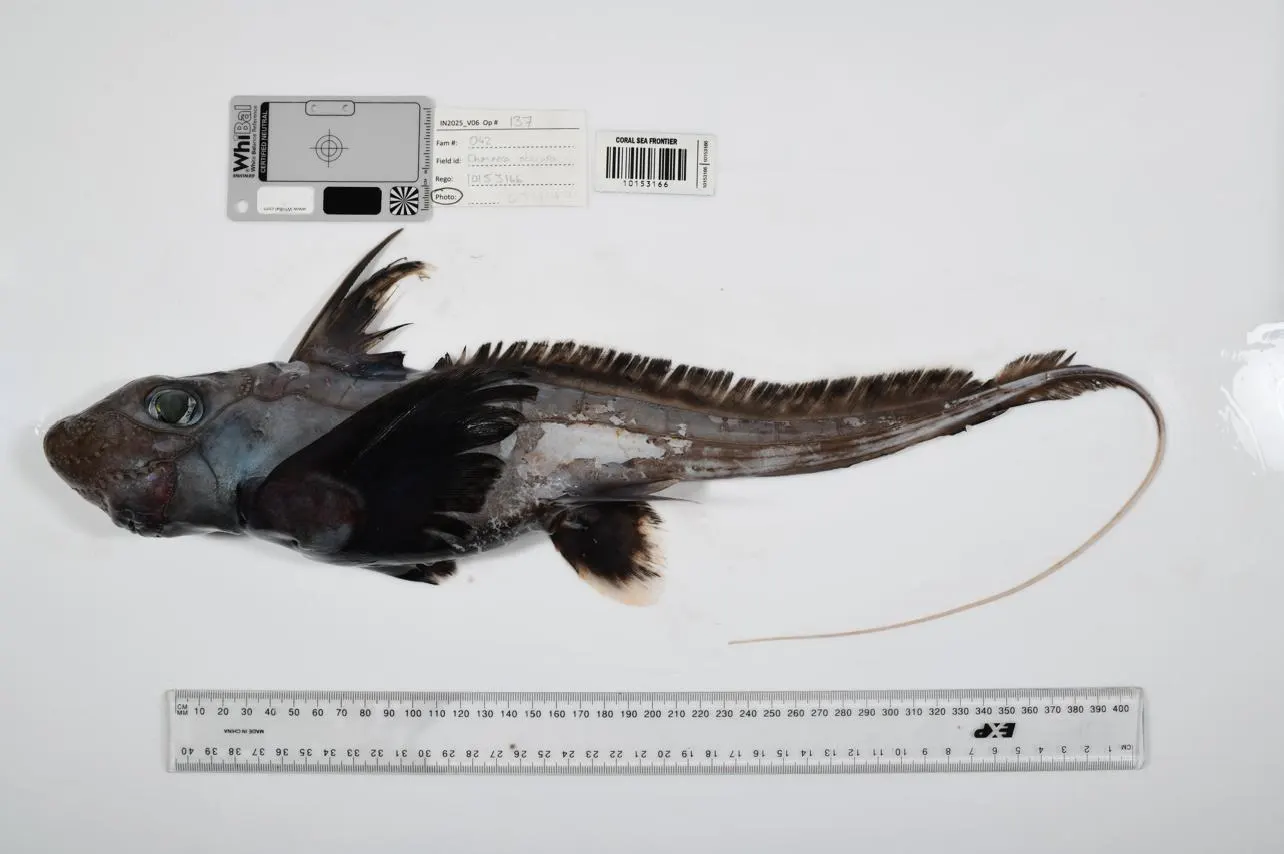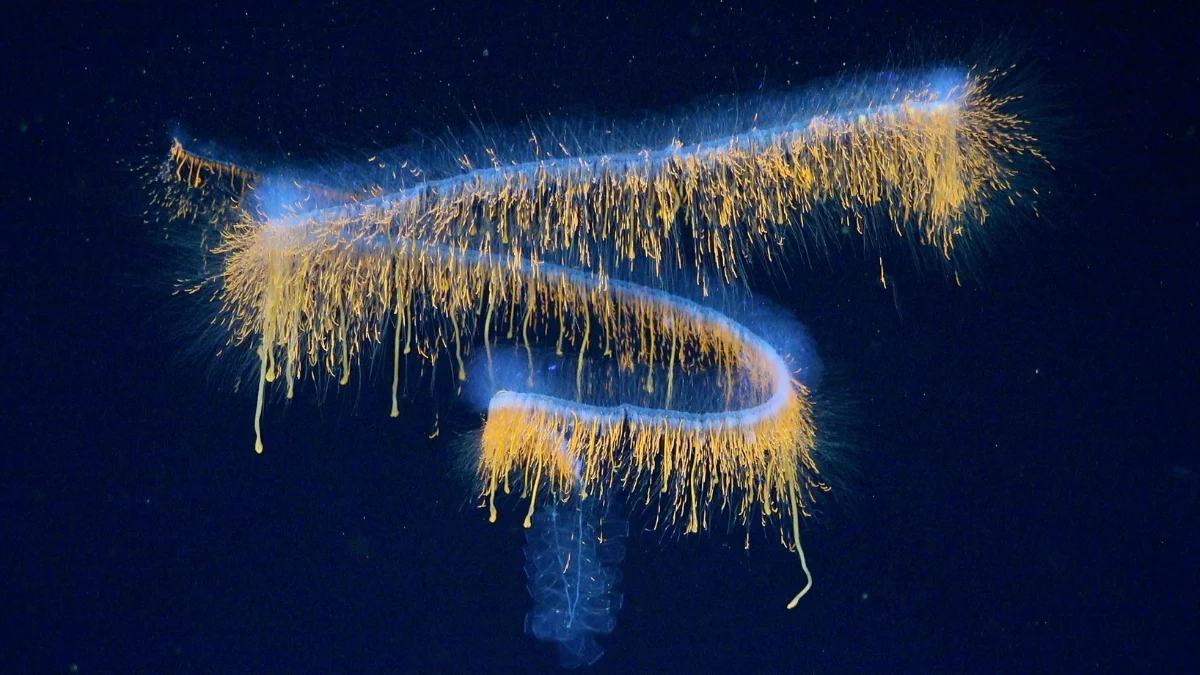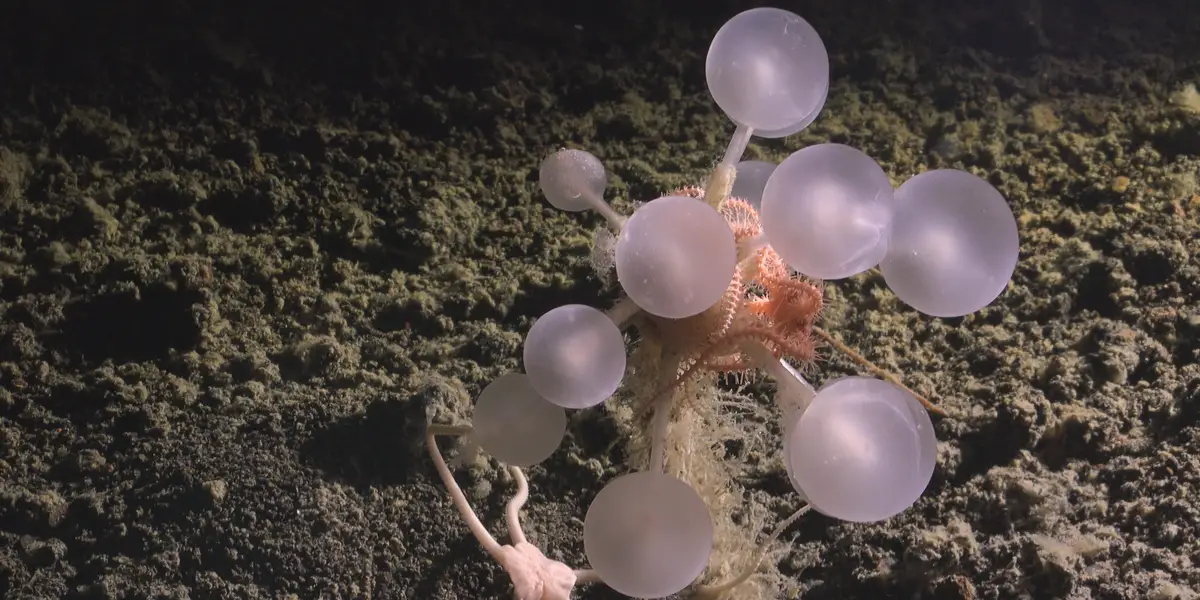
Ghosts, goblins, spiders, and wolves don't just show up in fairytales.Some deep-sea creatures are named after frightening or mythical creatures thanks to their eerie appearances.However, strange snouts, enormous eyes, and sharp teeth all help these animals survive the cold, dark depths of the ocean. So much is unknown about the deep sea, and these unusual adaptations can teach scientists more about what life is like thousands of meters beneath the waves.Scientists often need remotely operated vehicles to capture images and video of deep-sea species. Watching them in their natural habitat offers insight into the behavior of fish, cephalopods, and crustaceans that don't often surface.Some of these creatures could even contribute to medical breakthroughs. For example, toxins produced by ribbon worms have been studied for their potential use in treating conditions such as Alzheimer's disease and schizophrenia.Here are 25 bizarre ocean dwellers that show how mysterious much of our own planet still is.
Known as a living fossil, the frilled shark has retained features of its ancient ancestors.
A frilled shark found by a Japanese fisherman in 2007.
Awashima Marine Park/Getty Images
Decorative-looking gills inspired this animal's name. With its prehistoric-looking appearance, the frilled shark hasn't changed much in several million years. Biologists study them to learn more about how sharks evolved particular traits.Though they're spread throughout the Atlantic and Pacific Oceans, they're rarely spotted, though fishers do catch them.What's most unusual about this shark is the way it reproduces. Females give birth to live young after a 3.5-year pregnancy, one of the longest known gestations of any vertebrates, according to a 2020 study.Growing to at least 6 feet long, these predators primarily prey on squid and fish.