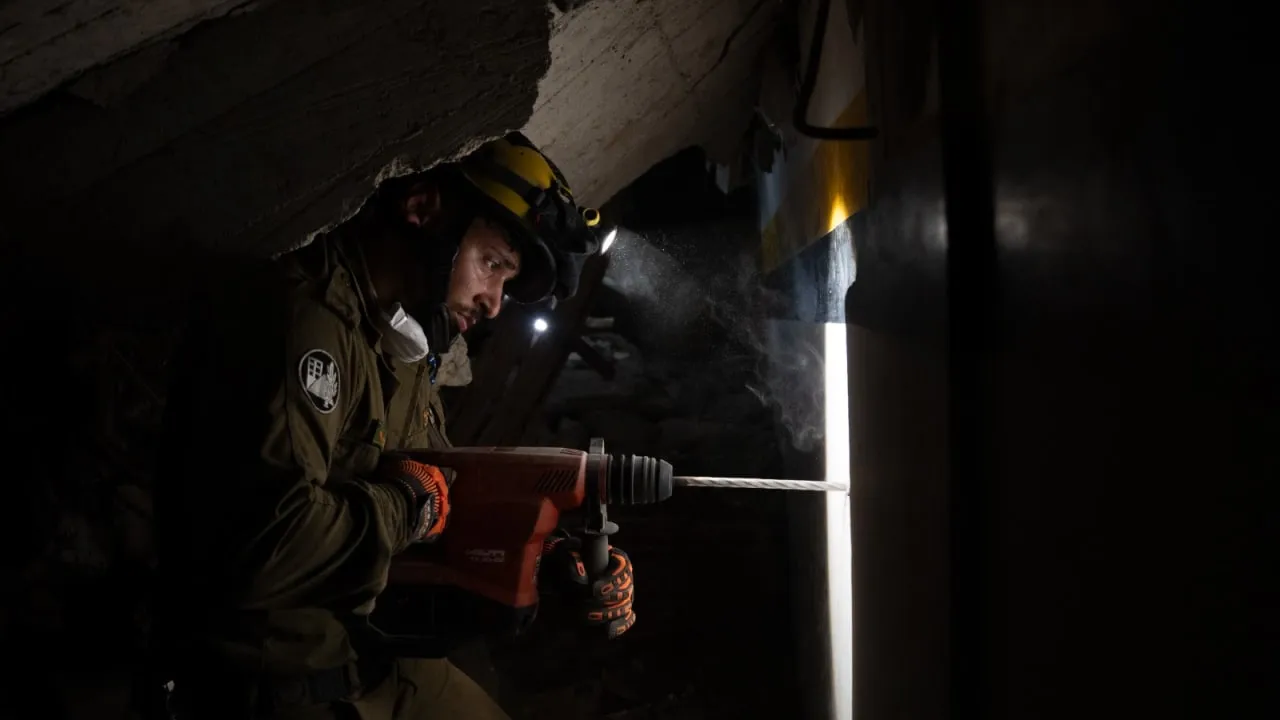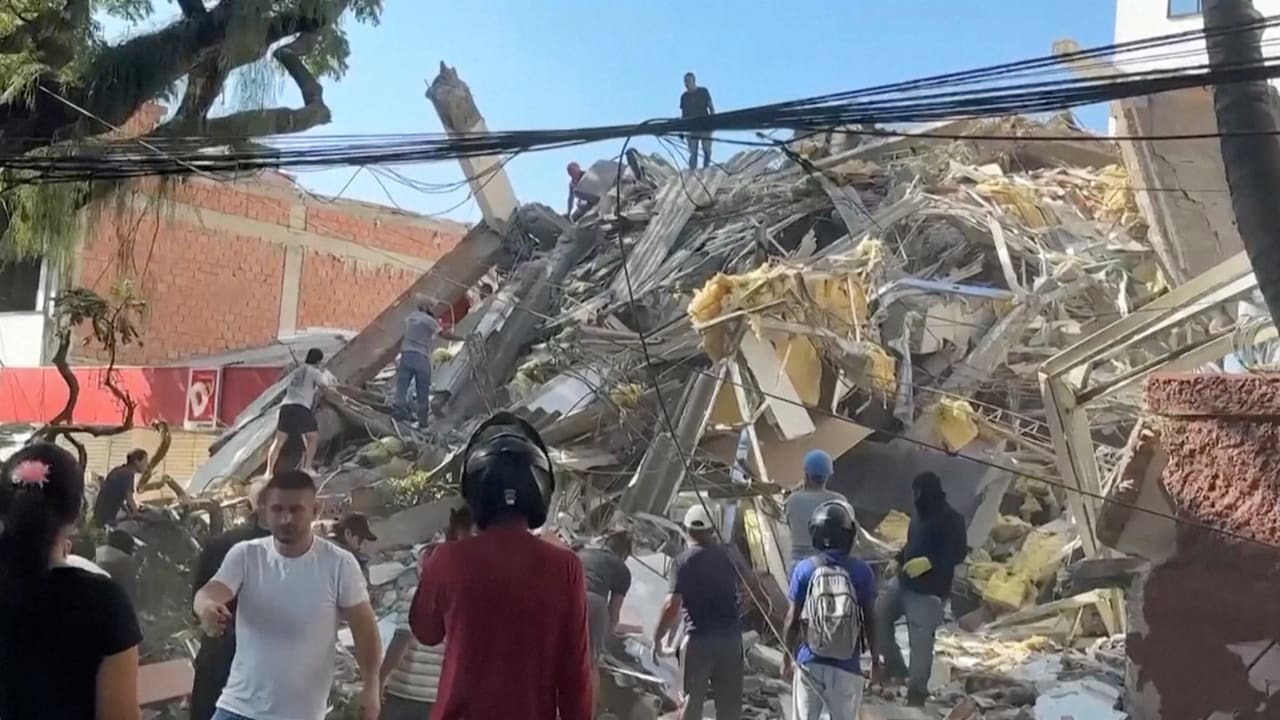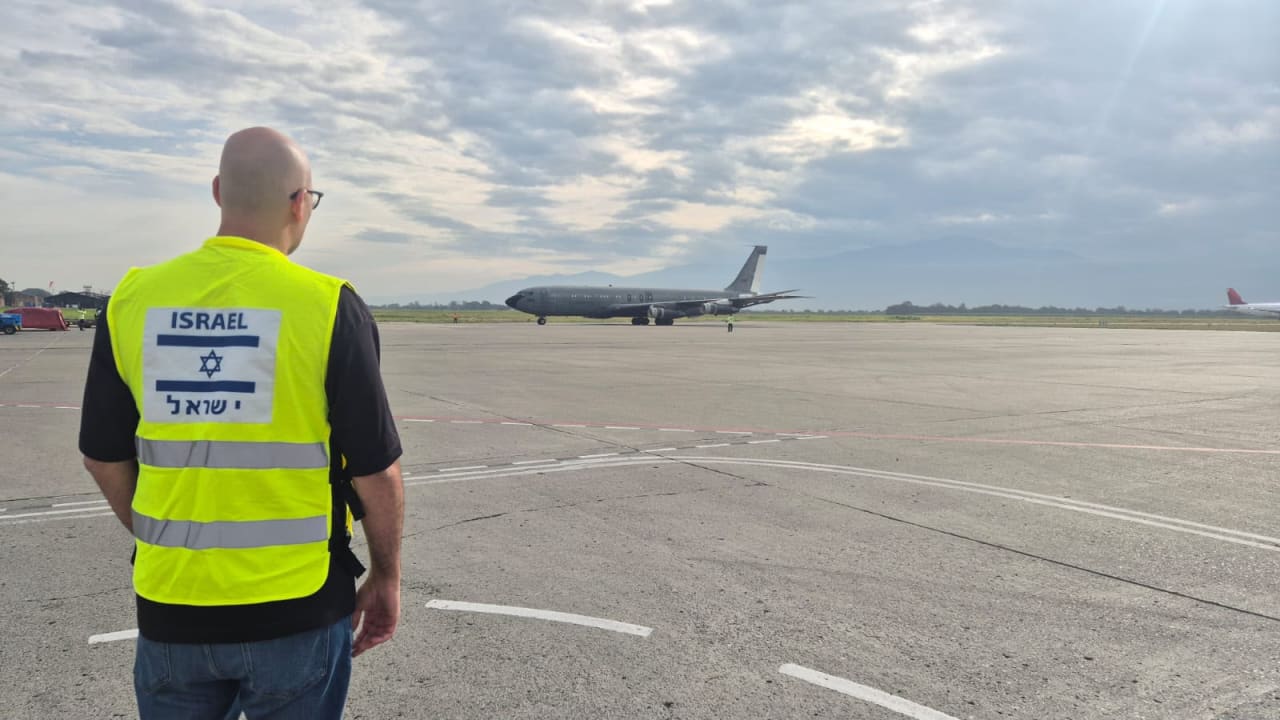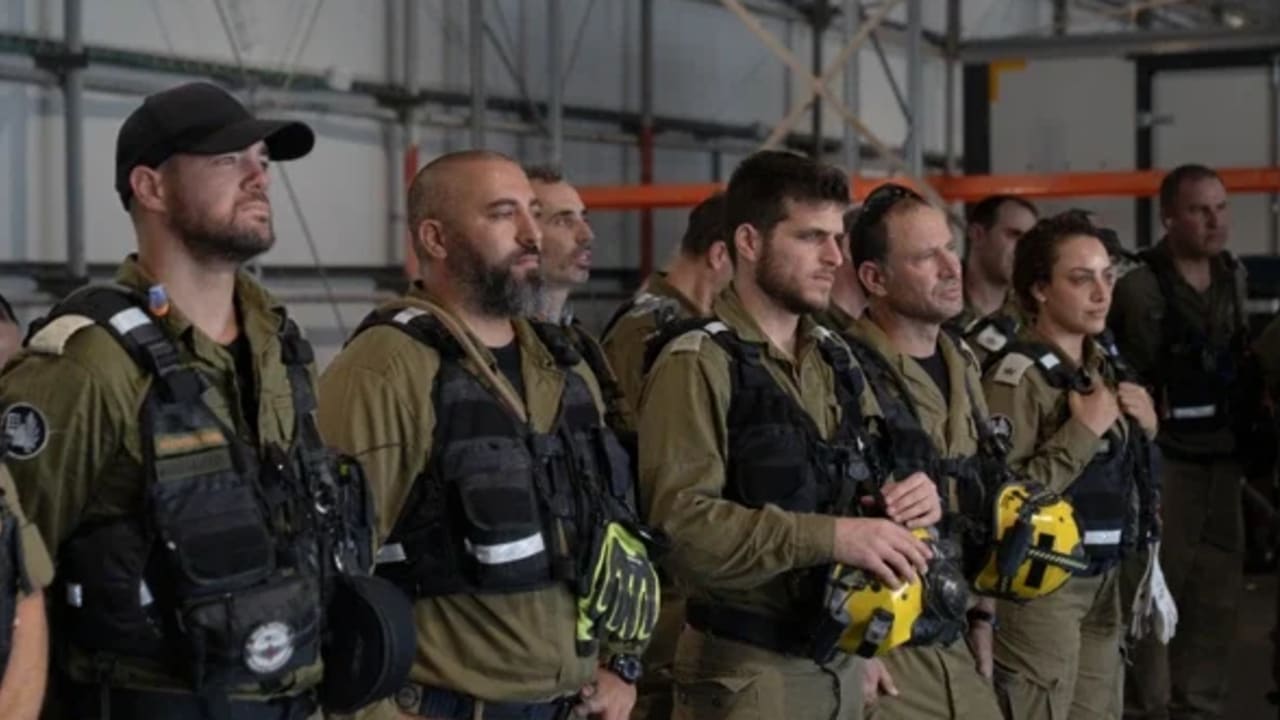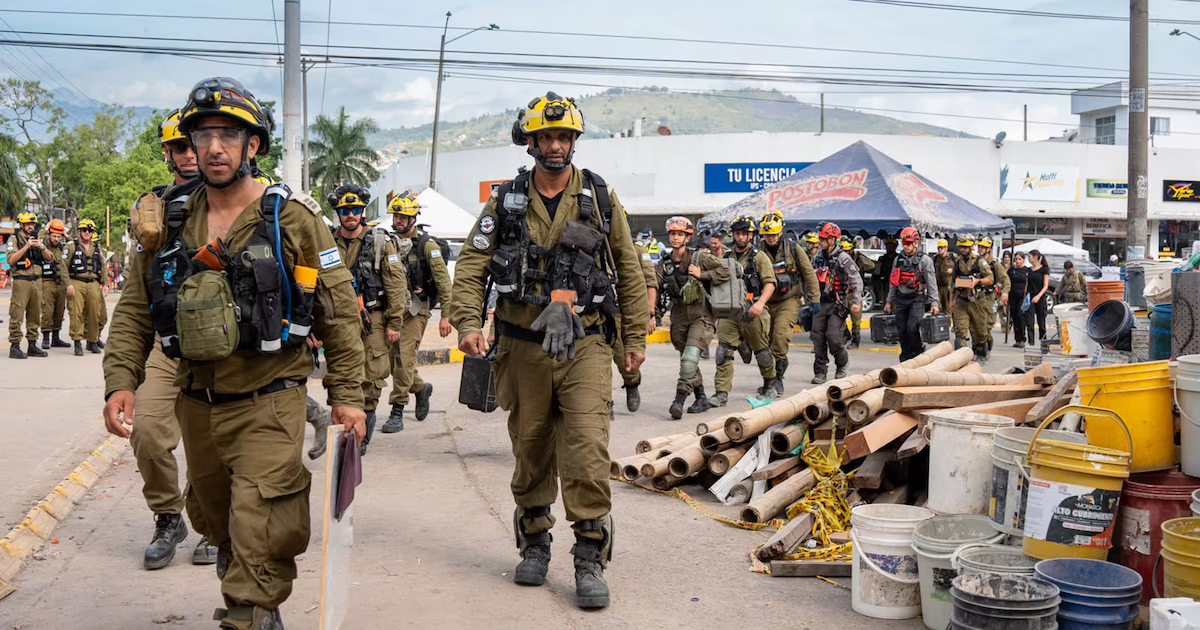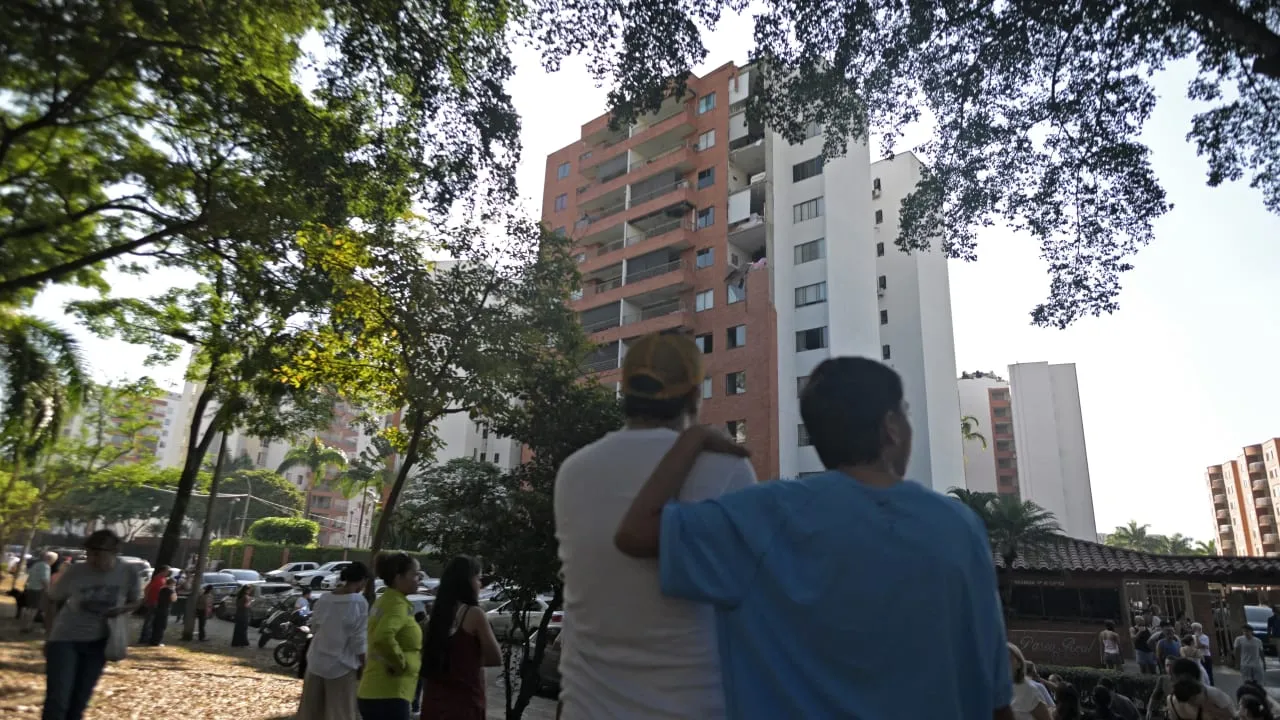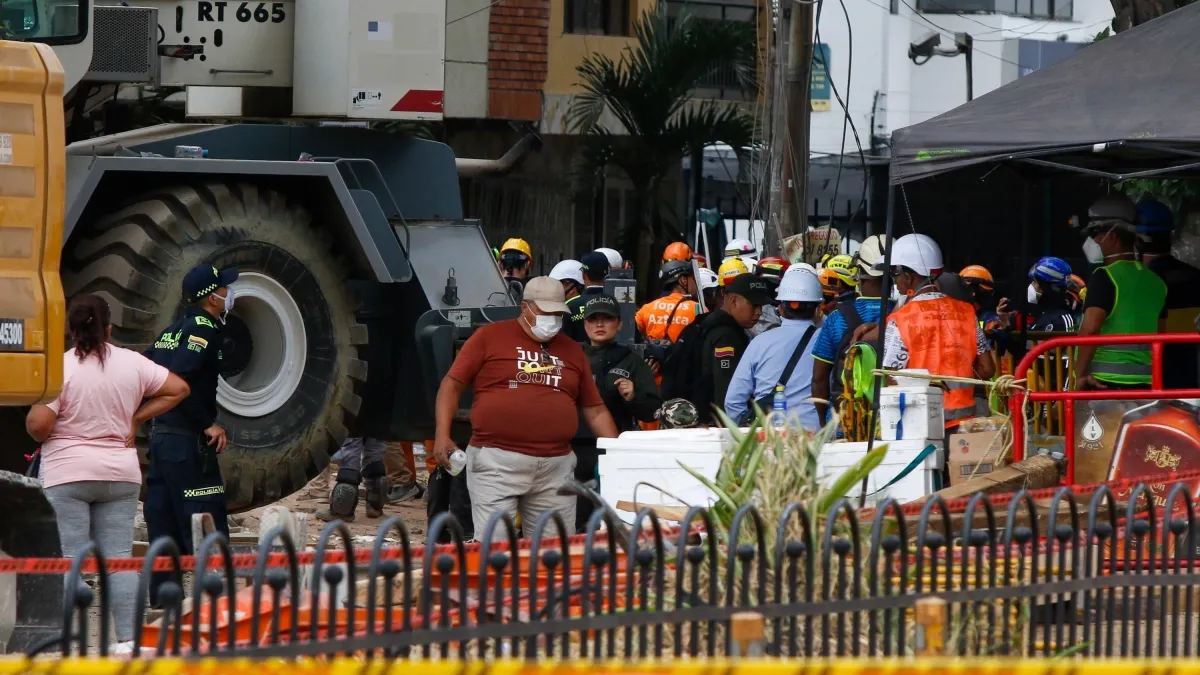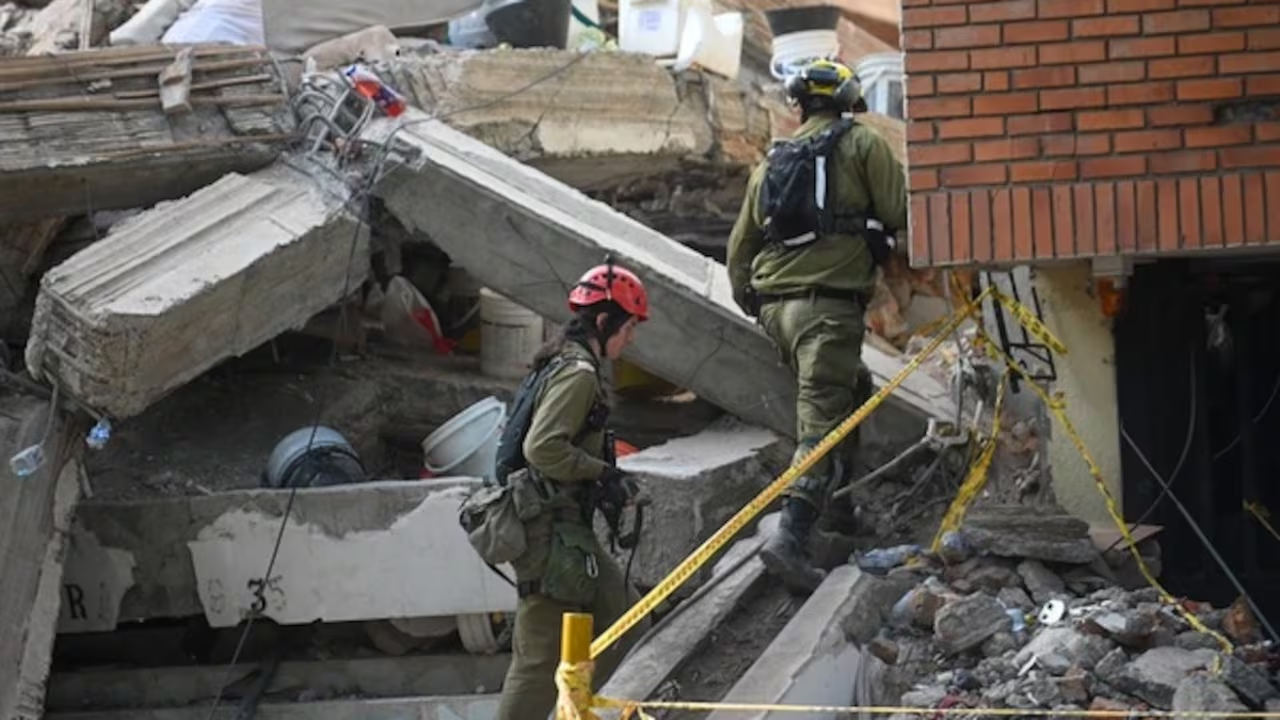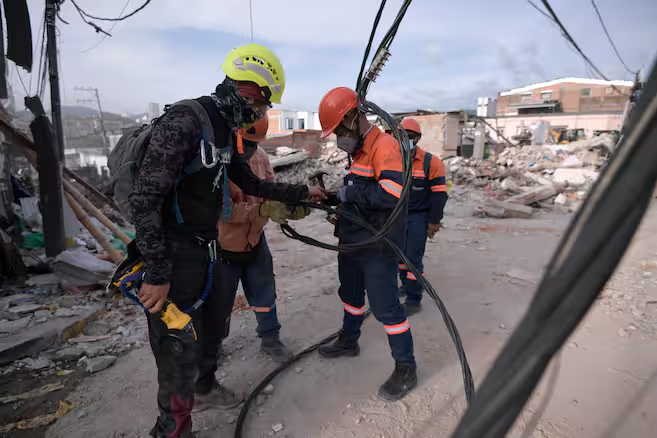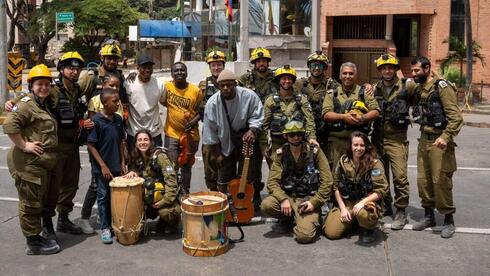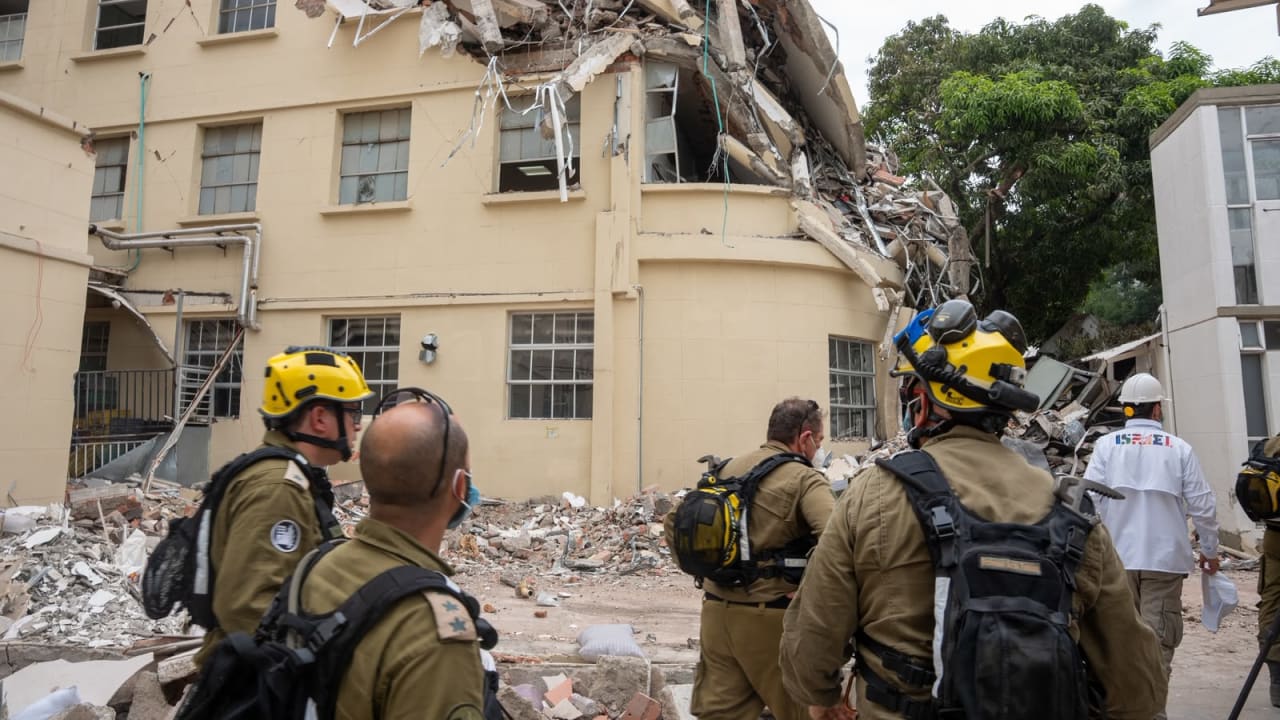
ByYONAH JEREMY BOBAUGUST 24, 2026 19:28The IDF has assisted many thousands of Colombians to return to using hospitals, schools, and hundreds of other structures which were partially damaged by the August 10 earthquake, but which Israeli experts have judged to be sufficiently safe, Colombian delegation deputy chief IDF Col. Ehud Moyal told The Jerusalem Post in an exclusive interview on Sunday.These many thousands of Colombians resided in some hundreds of buildings which initial evaluations by the combined Israeli-Colombian engineering teams have already established are stable enough – this out of a much larger number of structures whose stability still needs to be reviewed, Moyal explained to the Post.Moyal stated that the Israeli delegation will return home in the coming days.Interviewed by the Post in Colombia, Moyal said the IDF has already handed over its artificial intelligence and other hi-tech systems to Colombia in recent days to address the many other structures that still need to be checked.The system the IDF provided to Colombia will help map out structures that might be usable or need to be demolished, as well as how best to carry out the demolition process and how long it might take to build replacement structures.IDF soldiers conduct operations in Colombia following the August 2026 earthquake, August 24, 2026. (credit: IDF SPOKESPERSON'S UNIT)Many aspects of the system are similar to the work the IDF carried out in Venezuela in July, said Moyal.However, the Venezuela team consisted of around 35 staffers and engineers, while the Colombia team included over 80 staffers and engineers, with nearly half the team dedicated to physical rescue attempts.Venezuela did not request assistance despite larger disaster than ColombiaAlthough the disaster in Venezuela was even larger than the one in Colombia, the government in Caracas did not request a rescue team, as Colombia did.According to the IDF Colombia delegation deputy chief, part of the system Israel has provided to Colombia categorizes the structures and then defines them to be treated on different tracks, based on the severity of the damage they have suffered.IDF officials told the Post that the disaster management and evaluation systems are designed to intake, track, and analyze damaged structures, especially in Cali, where most IDF efforts have focused.The IDF has been in Cali, a city of over 2.3 million people, for over 10 days since shortly after August 13, when the Israeli and Colombian governments authorized the deployment of the Israeli disaster assistance team, Moyal noted.In the initial stage, he said that the rescue teams went into action to try to extract any living or deceased persons from disaster areas where the Colombians told them that they had heard voices, breathing, or some other sound indicating possible survivors.In the second stage, Israeli engineers deployed to assess the sturdiness and stability of the damaged buildings, he said.At the third stage, he explained that Israeli engineers carried out a more systematic and technology-guided search for remaining missing persons, including unrecovered deceased persons' remains.At times, the Israeli team also strategically used drones to accomplish their mission.Moyal said that the decision that the delegation could soon leave came after Israel helped Colombia locate the last remaining missing person, though this meant Israel's delegation stayed longer than most other delegations.The IDF deputy chief said he had met with Cali Mayor Alejandro Eder and received high praise, and that the IDF delegation chief, Brig.-Gen. (res.) Yossi Pinto had met with top Colombian national defense officials.Next, Moyal said that "every place where Israeli engineers went into a damaged hospital, it was empty, because the staff was afraid to go in. They had been told previously that the ceilings and walls were dangerous. They looked at us like we were crazy to go in.""But we have the best people, and after 90 minutes, we knew the hospital was fine, with some small reinforcement measures to a pillar here or there. Our engineers provided a great service," he said.He also recounted that after he told the hospital chief it could reopen for business, she tracked him down in his car before he pulled away and asked him to come back to speak to her staff.The entire hospital staff of 60-70 employees stood waiting to hear from him, and until he explained directly why the building was technically safe, they were not ready to return.Moyal: I received 'many hugs,' attended 'very emotional ceremony'However, after his explanation, he said he "received many hugs and there was an emotional outpouring of gratitude."Moyal also noted that he and other IDF team members visited a Cali Jewish synagogue last week with hundreds of families attending "a very emotional ceremony."He recounted that there were "many tears as they sang the prayer for the welfare of IDF soldiers and the Hatikvah national anthem."Moreover, he praised the Foreign Ministry, Defense Ministry, and others for their strong cooperation with the IDF rescue and home front teams.Follow us on Google
Israel's Colombia delegation deputy head talks to 'Post' about earthquake effort | The Jerusalem Post
IDF officials told the Post that the disaster management and evaluation systems are designed to intake, track, and analyze damaged structures, especially in Cali, where most IDF efforts have focused.
809 words~4 min read