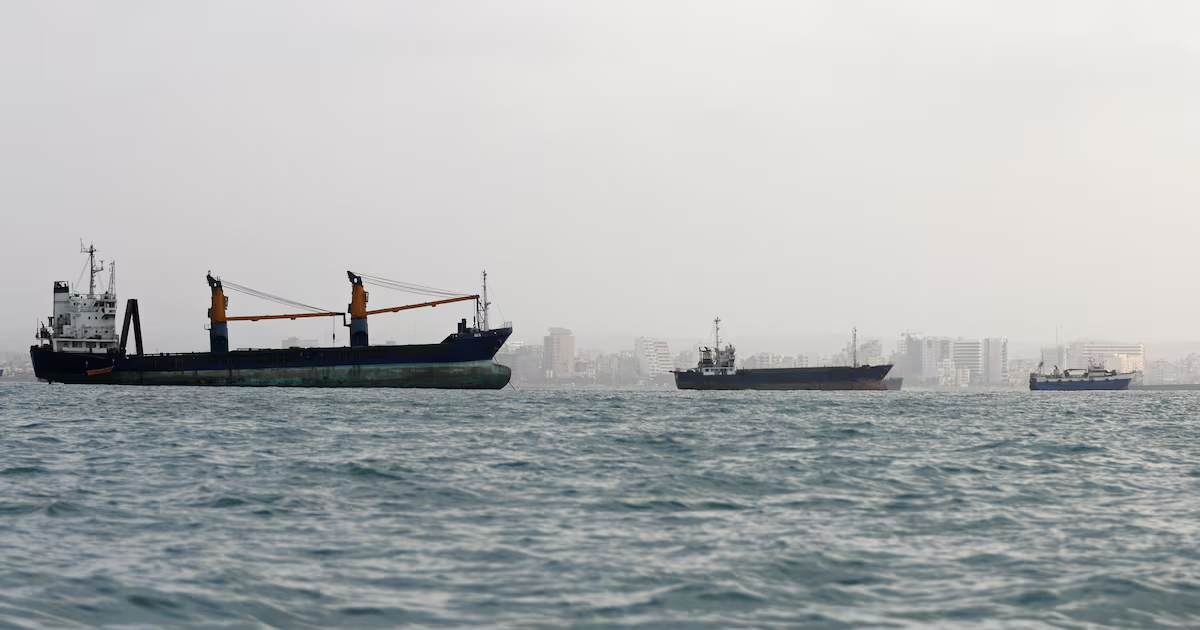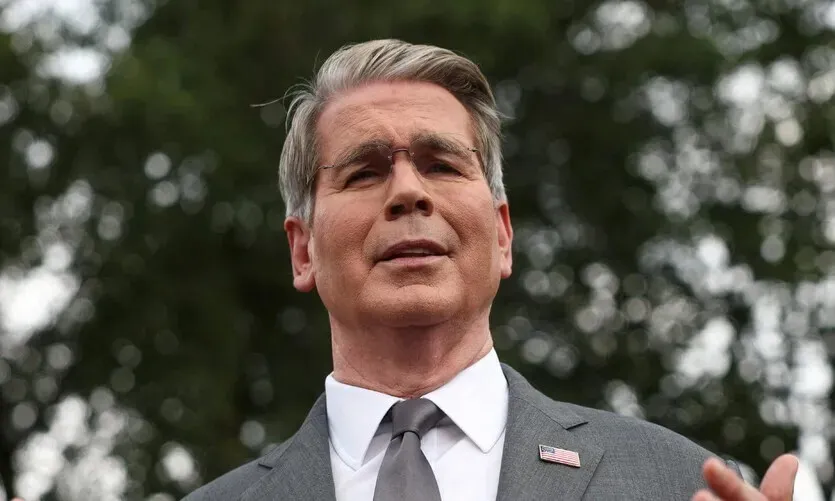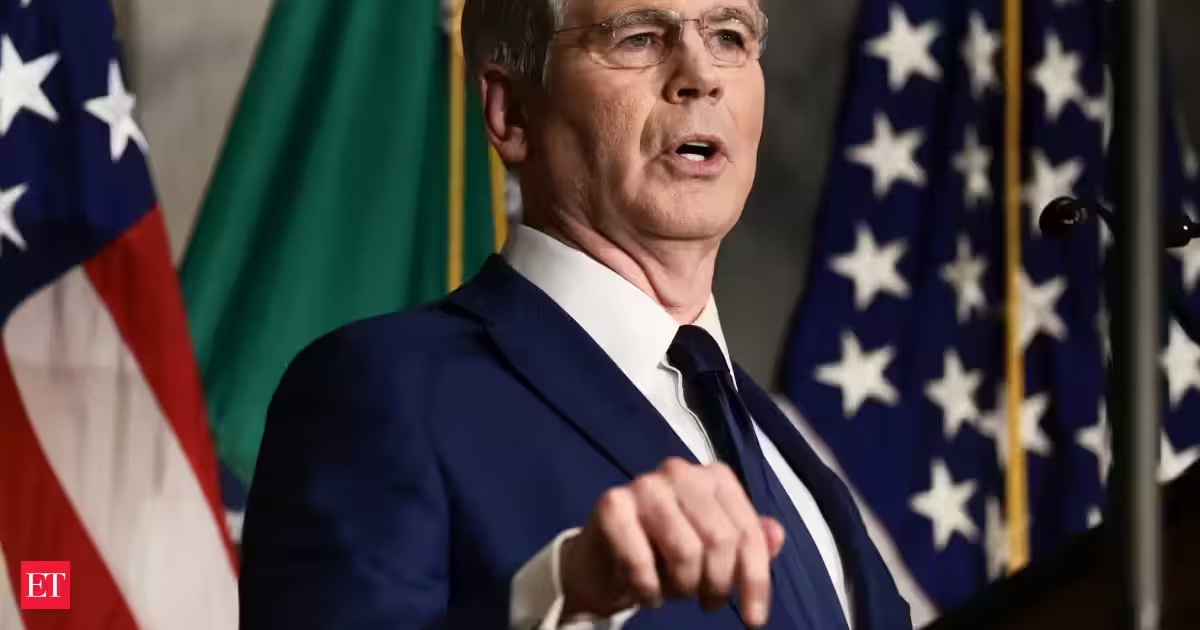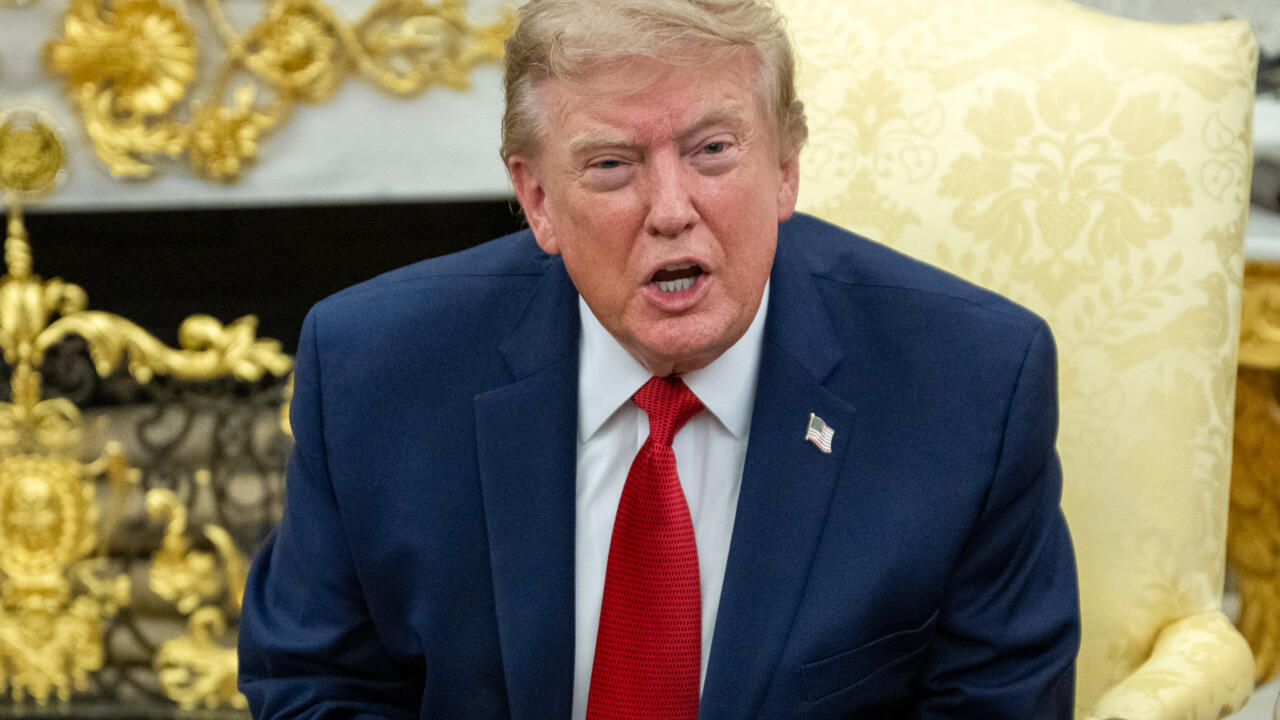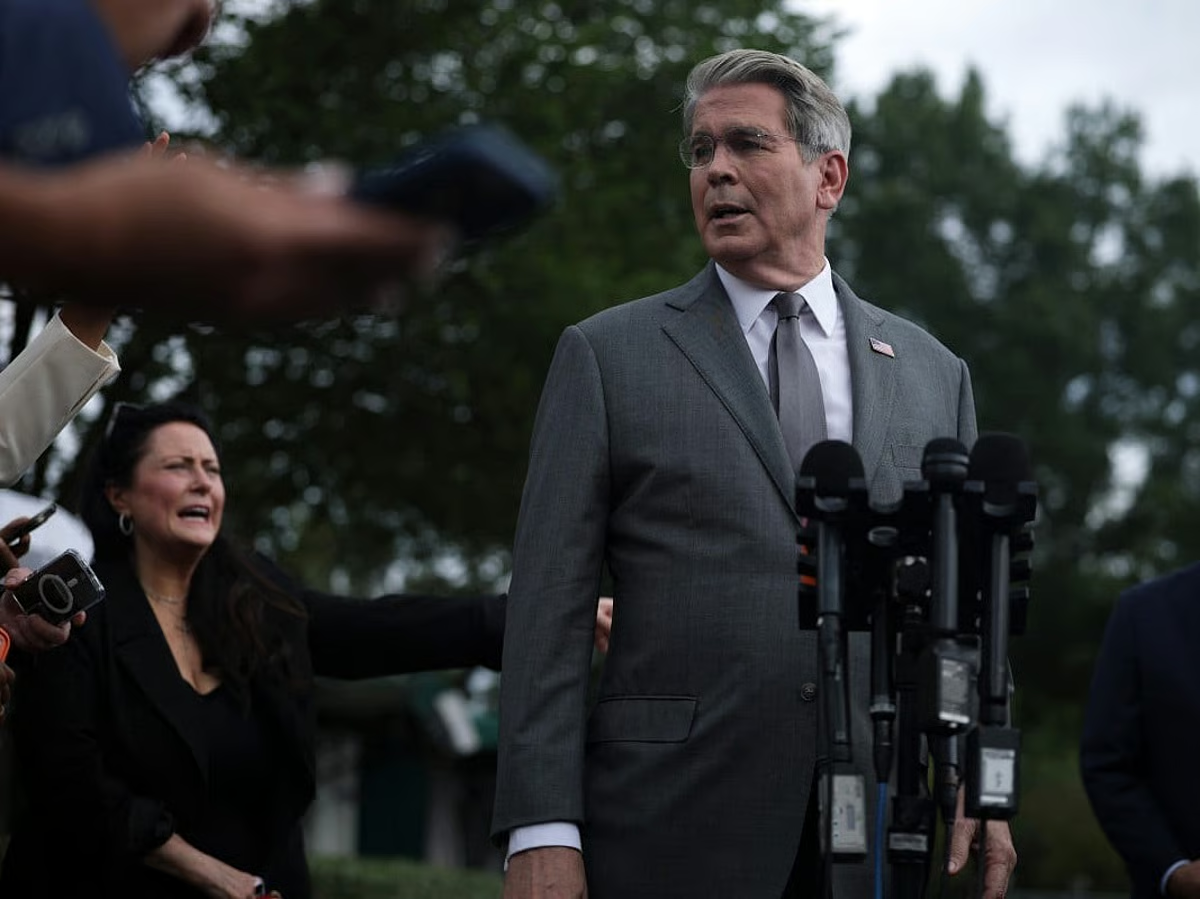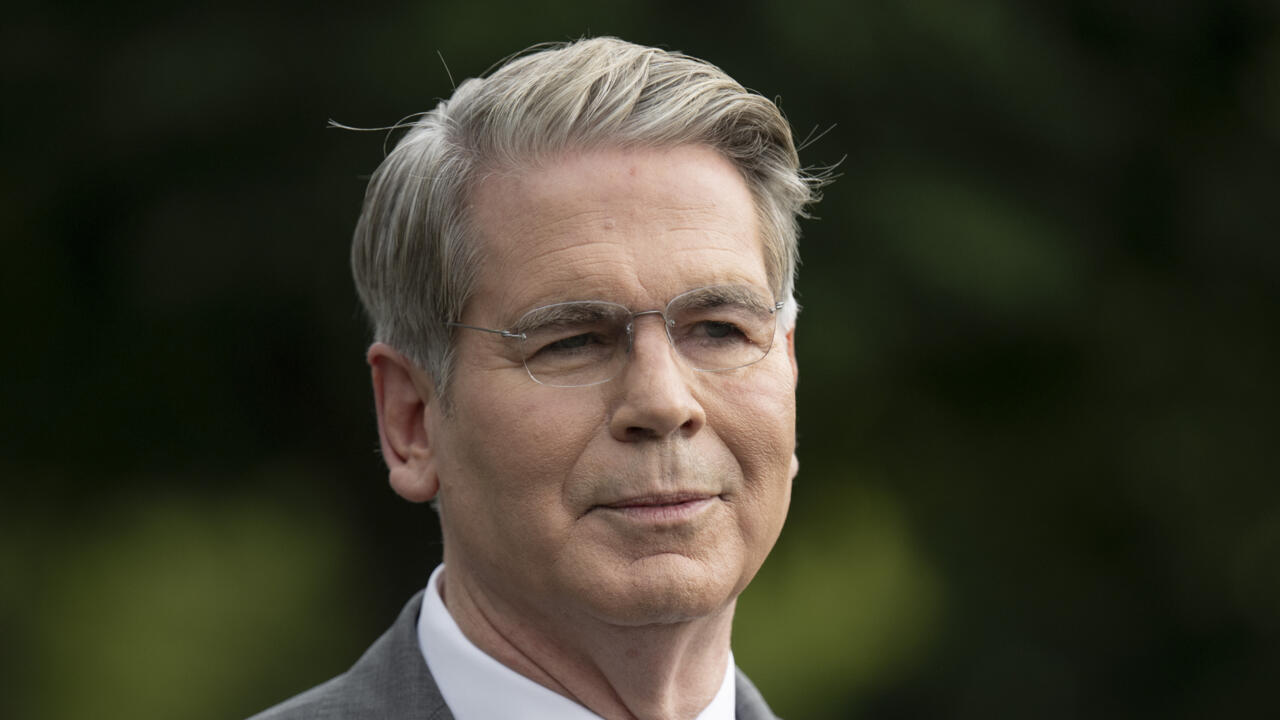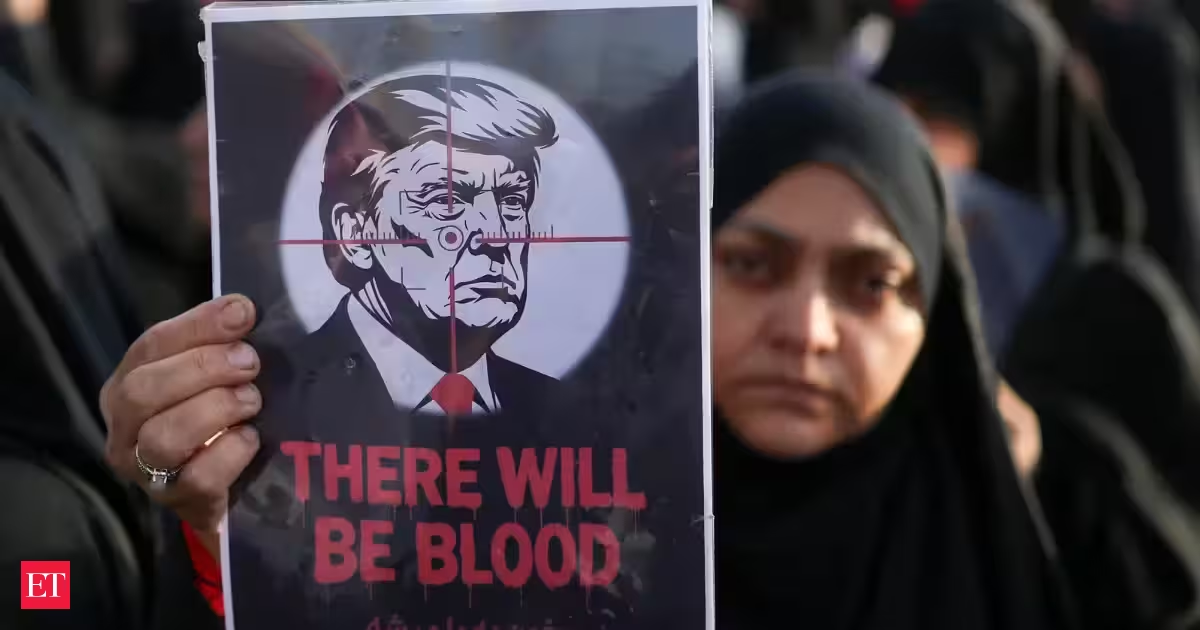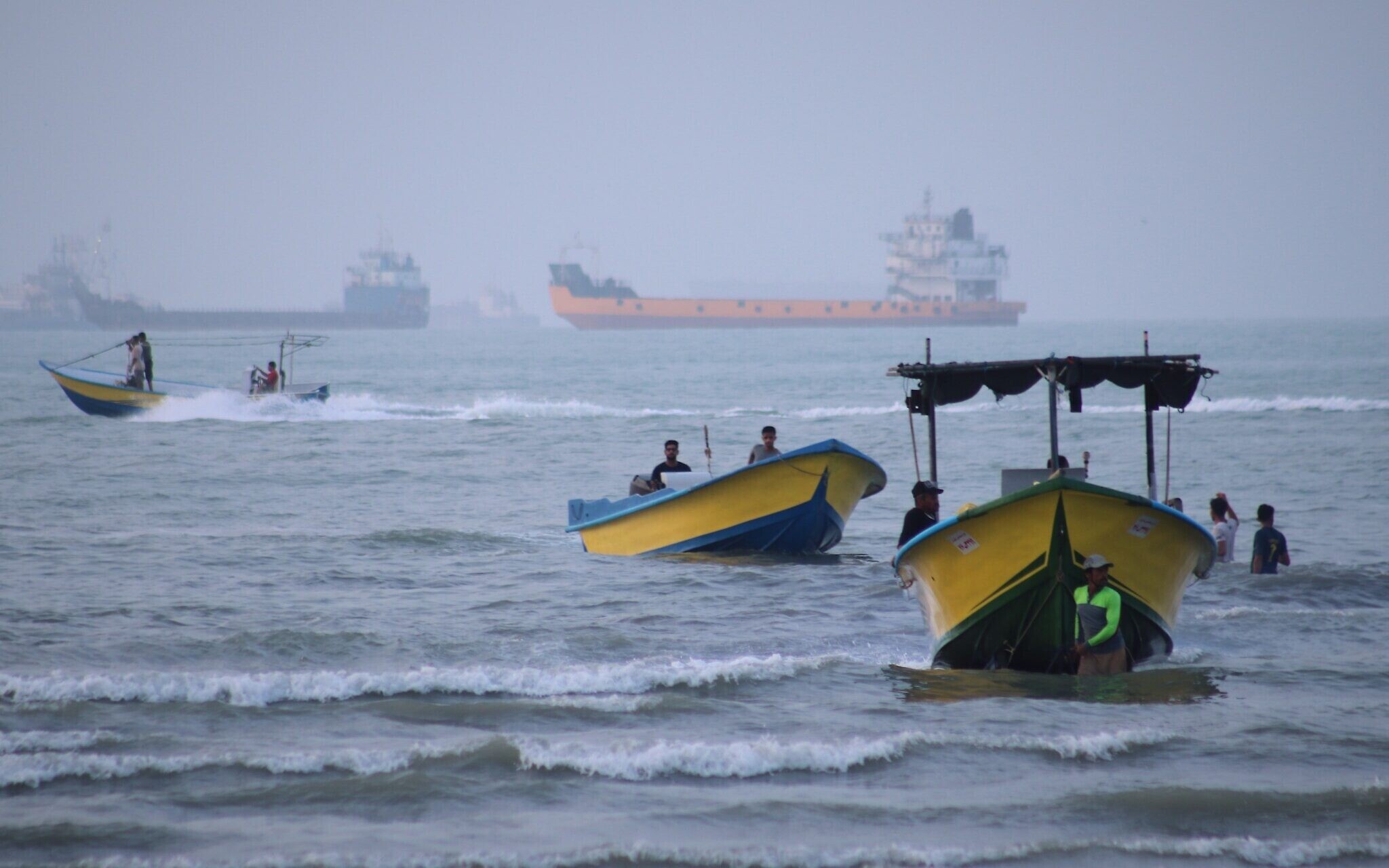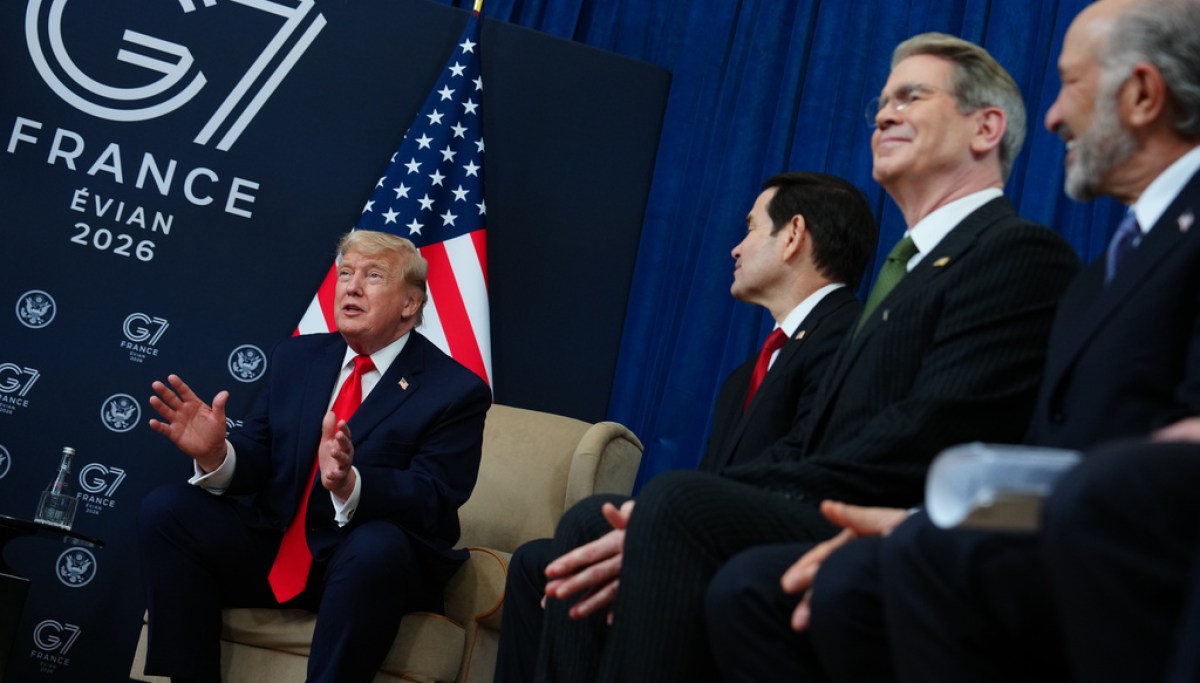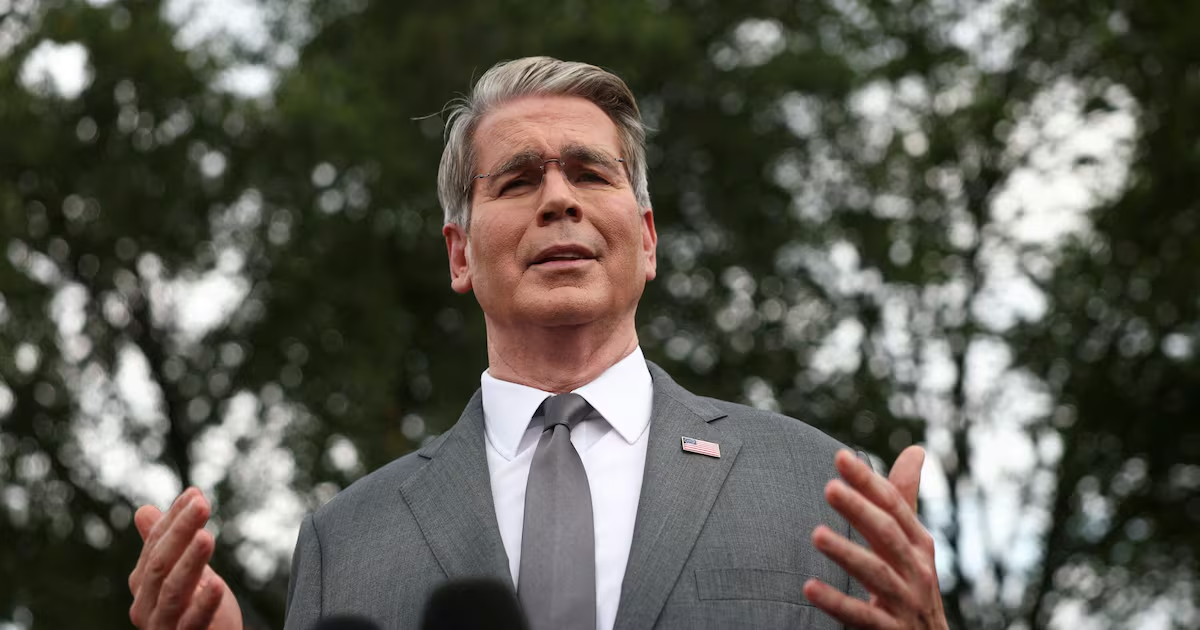
The US on Monday was expected to broaden the scope of secondary sanctions on firms and countries that do business with Iran, as Washington seeks to isolate the regime's economy in an effort to break the deadlock in the war.The move was meant to serve as a final notice to countries to sever their business ties with Iran as the US steps up its economic pressure campaign, the White House said.President Donald Trump's administration has been pivoting from military operations to economic pressure after a military campaign and naval blockade failed to reopen the Strait of Hormuz, a chokepoint for about 20 per cent of the world's energy supplies.Treasury Secretary Scott Bessent was scheduled to hold a press conference later on Monday to outline the administration's plans. In an opinion piece for the Financial Times, he said the US objective was to “sever every economic lifeline that sustains the tyrannical regime until Tehran stands alone”.Describing the announcement as an “economic D-Day”, Washington has said countries must side with the US or risk becoming a “global pariah”. It was not immediately clear how China, India and Turkey – all of which maintain strong business ties with Iran – would be affected. However, Mr Bessent singled out countries which facilitate Iran's energy exports, financial transfers, aviation, shipping and banking.US efforts to corral global partners gained a boost last week when the UAE announced it was severing trade and financial ties with Tehran. The announcement came after two Iranian missiles were fired at the Emirates. Iran's currency slumped to a new all-time low against the dollar before Monday's announcement, with the rial falling 4.5 per cent since Mr Trump last week previewed more economic pressure. At the same time, inflation has pushed above 80 per cent for the country of 93 million people.Oil shipments from Iran have also all but dried up, cutting a key source of government revenue. “Iran is completely collapsing,” Mr Trump wrote in a Truth Social post ahead of the announcement.The tension comes as diplomatic talks remain at an impasse and the Strait of Hormuz remains effectively shut.Tehran, which has weathered economic sanctions for decades, vowed to retaliate. Mohsen Rezaee, secretary of Iran’s Supreme National Security Council, wrote on X on that countries joining the US economic campaign would be treated as an “enemy”.The result will be that “not a single drop of oil will be exported, neither through the Strait of Hormuz nor from anywhere” in the Gulf, he added. Tanker traffic through the Strait of Hormuz has dwindled since the US and Israel launched co-ordinated strikes against Iran on February 28.Meanwhile, a tanker was struck by an unknown projectile west of the Saudi port city of Yanbu, leading to a fire on the vessel's main deck, the UK Maritime Trade Operations said. All crew were safe and accounted for, with no reported environmental impact.Pakistan’s army chief Field Marshal Asim Munir arrived in Iran on Monday for talks, which Islamabad said was to “promote regional peace and stability”. Badr Al Busaidi, Oman's Foreign Minister, was scheduled to visit Tehran on Tuesday to continue talks on the waterway. Oman has pursued separate talks with Iran on navigation through the Strait of Hormuz, while Washington and Tehran remain at an impasse on how to end the conflict.
US to tighten economic screws on Iran to break war deadlock | The National
Washington vows to isolate Tehran in 'economic D-Day' as Trump cranks up pressure on allies
547 words~2 min read