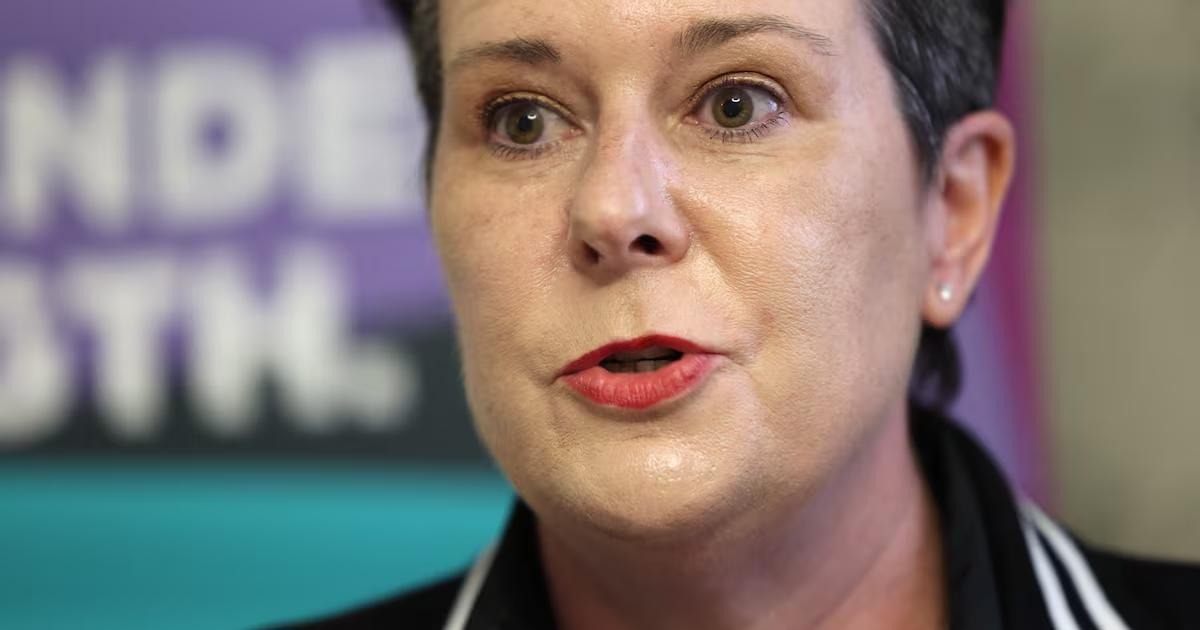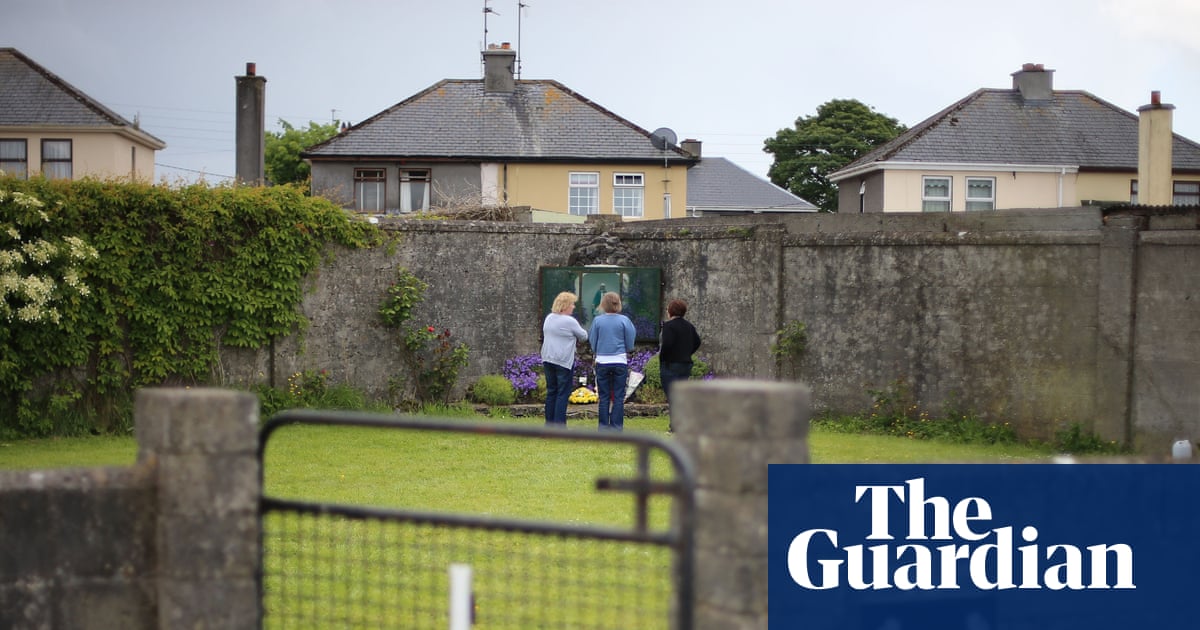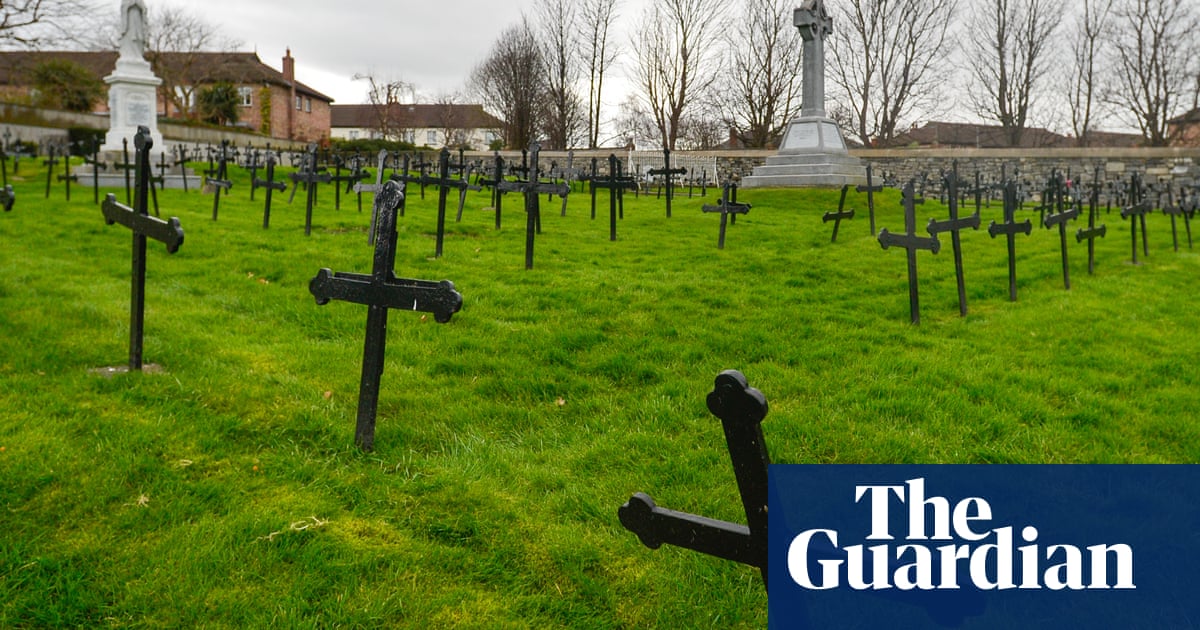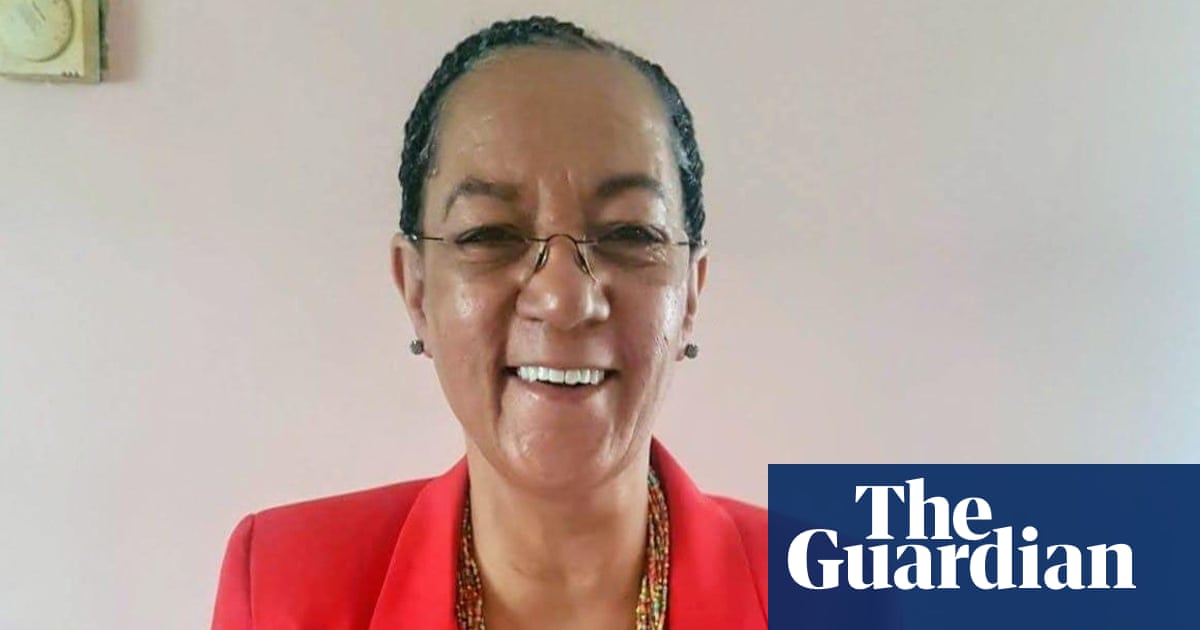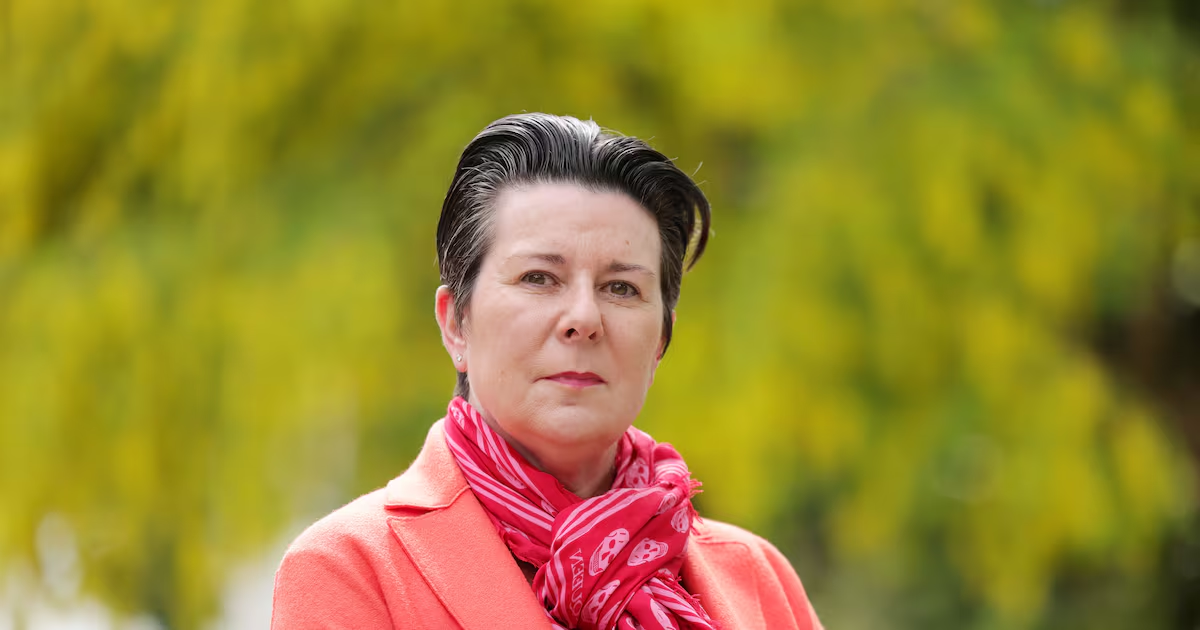
Just one-fifth of those eligible for compensation under the State’s redress scheme for survivors of mother and baby institutions have applied.The low uptake rate has prompted the special advocate for survivors to urge the Government to do more to promote the scheme. Figures from the Department of Children show 7,385 people (21 per cent of those eligible) had applied to the scheme, and 5,453 had received compensation as of last month.About €78 million has been paid out and the average payment is €15,000. The scheme has a budget of €800 million.There have been applications from 26 countries: 83 per cent from Ireland; 11 per cent from the UK; 4 per cent from the US; and 2 per cent from elsewhere.Patricia Carey, who advocates on behalf of survivors, said she had noted the uptake rate “with grave concern”.Carey, who was born in Bessborough mother and baby institution in Cork, said the rate should be higher at the midway point of the scheme. The initiative opened to applications in March 2024 and is due to close in March 2029. It is estimated about 34,000 survivors are eligible to apply. “It is critical that the State does all it can to ensure that all mother and baby institution survivors and affected persons who are currently eligible are made aware of the redress scheme both in Ireland and abroad,” Carey said in a statement.“There is an urgent need to make every possible effort to ensure that no survivor misses out on their redress. Survivors should be well supported at all stages to apply, and the processes to apply should be made as streamlined, trauma-informed, and easy to navigate as possible.”Carey welcomed a new advertising campaign that aims to promote the scheme in Ireland and abroad, but said more needs to be done. She called on the Government to develop “plain English” video tutorials that show survivors how to apply, and for a free or low-cost phone number to be set up for people who require information about the scheme.The initiative should be better promoted in Irish embassies and consulates abroad, she said, as well as via community groups and local media. She called for “improved training and upskilling on survivor issues and supports for embassy staff”.Carey also said the scheme should be extended to include all people who spent time in an institution. An estimated 24,000 people are excluded, including those who spent less than six months as a child in an institution, and children who were boarded out – a precursor to fostering.The Department of Children has been contacted for comment.
Low take-up prompts calls for promotion of mother and baby home redress scheme
‘Plain English’ video tutorials and free phone numbers among measures that may boost scheme, advocate says
428 words~2 min read