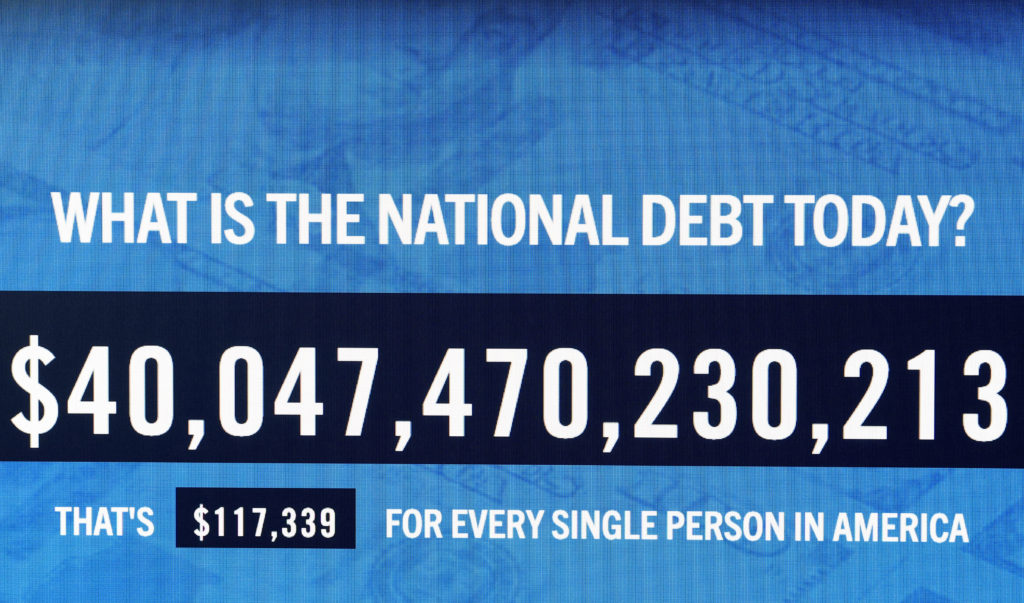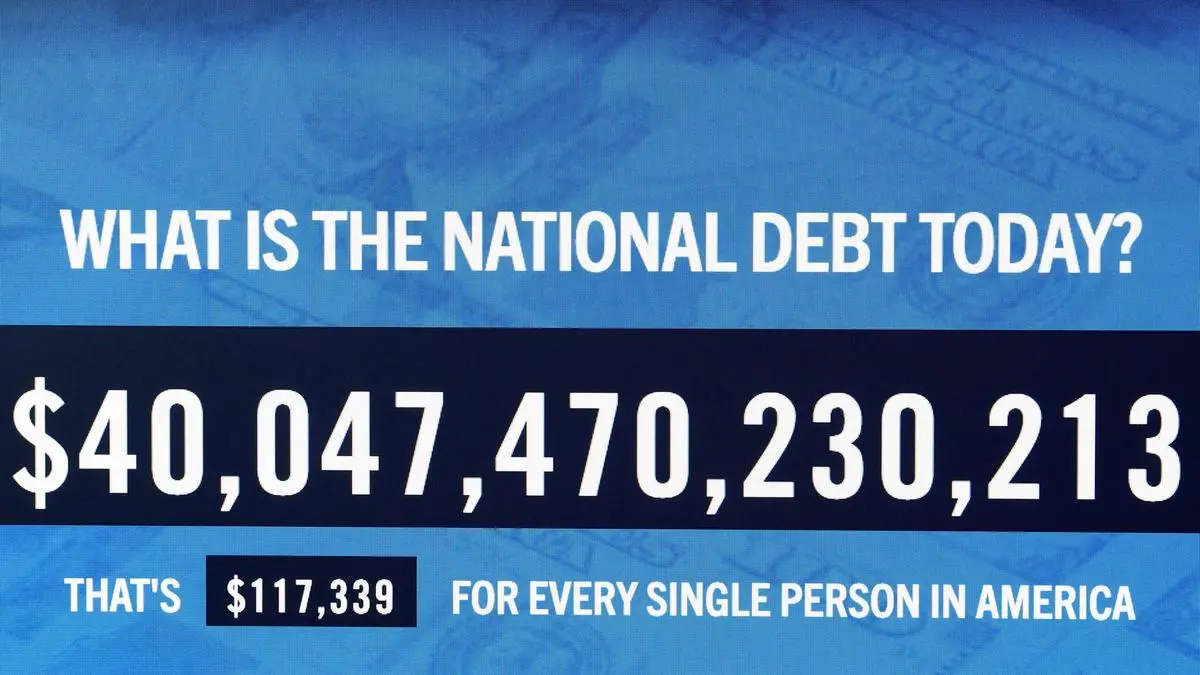
The U.S. national debt crossed $40 trillion on Aug. 18, a record high and a milestone that sounds abstract until you convert it into something more familiar: your loan payments.
New economic modeling from The CEO Center, the public policy arm of The Conference Board, puts a dollar figure on what rising federal borrowing actually costs ordinary Americans — a student paying off loans, a family saving for a house, a small business owner expanding, and a retiree counting on Social Security.
The answer, in short: the gap between a responsible deficit path and a reckless one is worth tens of thousands of dollars over a decade, and jumps to six figures in a true fiscal crisis.
The mechanism is simple, even if the debt figures aren’t
Divide $40 trillion by the U.S. population and every American is on the hook for roughly $117,000. But that number doesn’t explain why it matters to someone who will never personally owe the Treasury a cent.