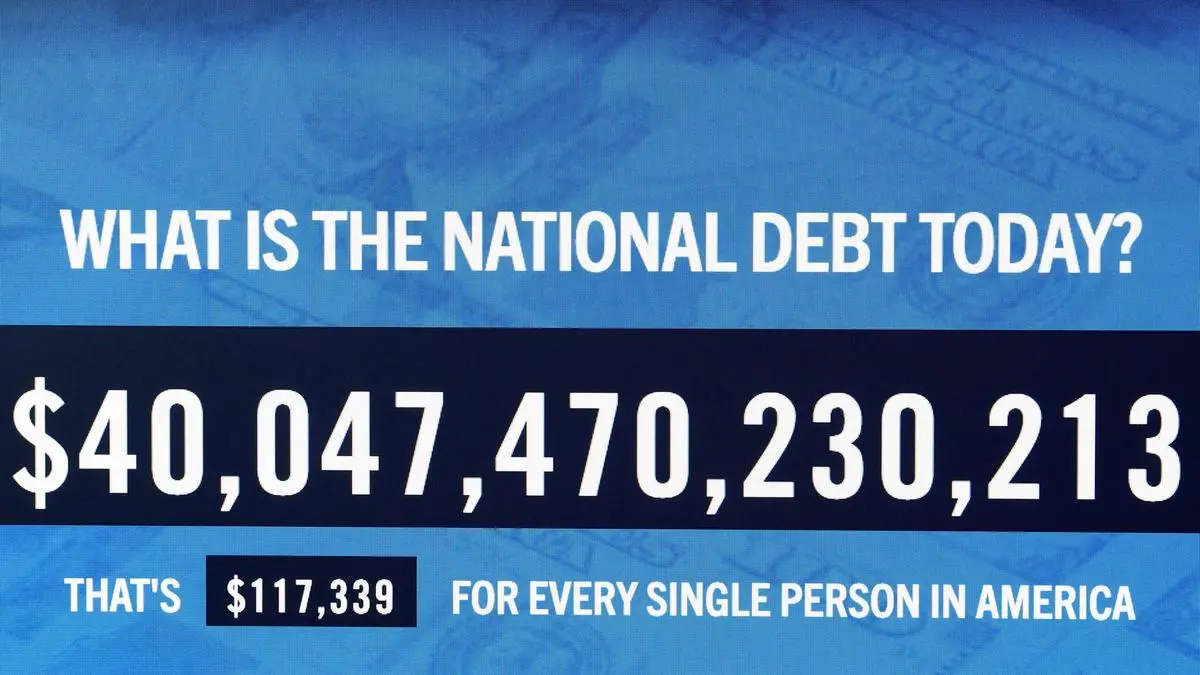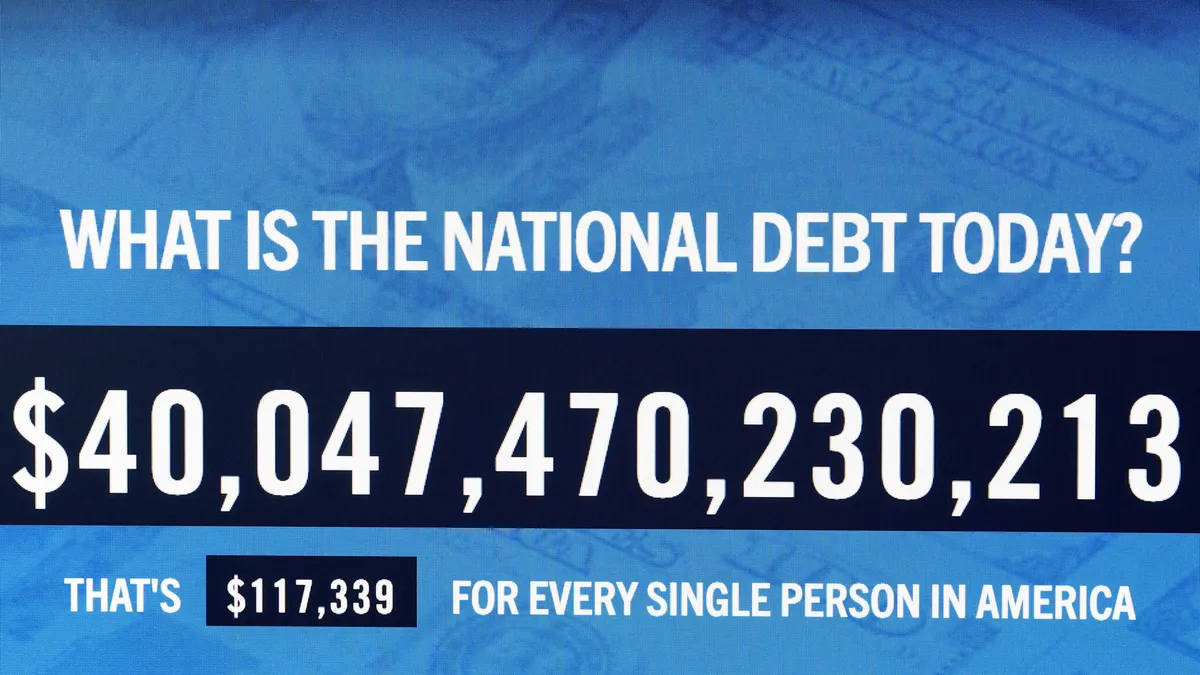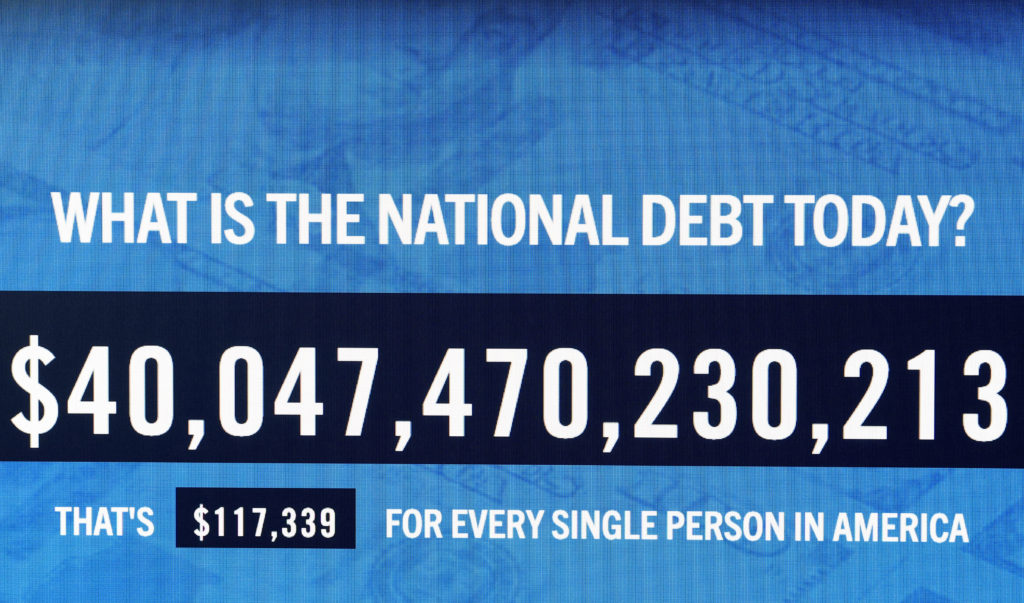
The Treasury Department announced this week that the U.S.’s national debt surpassed $40 trillion, a grim milestone that promises to have a reverberating impact on millions of citizens. The debt, valued at around $120,000 per taxpayer, has been incurred because the government has been steadily spending more than it collects in taxes, creating a gaping deficit. It’s been more than 20 years since the federal government’s last budget surplus, with the U.S. now facing a debt-to-GDP ratio of over 120%.
Treasury Secretary Scott Bessent expressed confidence that the United States “can grow our way out of” the debt crisis. But its repercussions promise to have ripple effects, experts say, including the amount of money the government has to set aside to pay interest on the debt, which could translate into higher taxes or force the government to cut federal benefits. At over $1 trillion, interest on the debt is one of the largest federal budget items, after Medicare/Medicaid’s nearly $2 trillion allocation and Social Security’s $1.6 trillion appropriation. The interest costs will soon begin “eating the budget alive,” financial markets analyst Stephen Innes wrote. Every dollar the Treasury Department must earmark for interest on the debt is ultimately taxpayer-funded and takes away from supporting other government duties and programs, such as defense, education, and infrastructure priorities. In addition, citizens could feel the impact through paying higher taxes to raise money to pay the interest on the debt. Or citizens could see reduced food stamps, Social Security, and Medicare/Medicaid benefits should lawmakers choose to cut some “entitlement spending” benefits to service the debt. Rising national debt also lowers the standard of living and makes it harder to achieve the American dream, in part by increasing borrowing costs for citizens, making loans more expensive by pushing interest rates higher. That translates into a greater risk of default on higher monthly housing or mortgage payments and larger payments on car loans, student loans, business loans, and credit card debt. Businesses could face higher borrowing costs, ultimately “leading to slower wage growth,” the Government Accountability Office said in June. “Freedom to buy, move, downsize, or respond to a new job or caregiving need” is reduced, Ethan White, cofounder of White Sands Tax Service, told Yahoo Finance. The Penn Wharton Budget Model predicted last year that the average U.S. wage would end up 3.4% lower over the next 30 years as a result of the national debt added by President Donald Trump’s One Big Beautiful Bill Act. The Congressional Budget Office has estimated that after three decades, the average annual per-person income would be $9,000 lower, or reduced by 10%, if government debt continued to grow. The CBO also found that for every dollar added to the deficit, private investment loses 33 cents, thus diminishing economic growth and wages by discouraging new products and technologies that make it easier and cheaper to produce goods and services.JOHNSON LAUNCHES WEBSITE TO TEACH YOUNG VOTERS ABOUT SOCIALISM AND COMMUNISM AHEAD OF MIDTERM ELECTIONSInvestors could also be discouraged from pouring into the economy if they fear soaring inflation that could be triggered by the government turning to questionable measures to deal with fiscal problems. “You’re creating risks that we’re going to have to print more money or monetize the debt in some way, and those types of fears cause pressure on inflation,” Brett Loper, executive vice president for policy at the fiscal think tank Peter G. Peterson Foundation, told Axios.