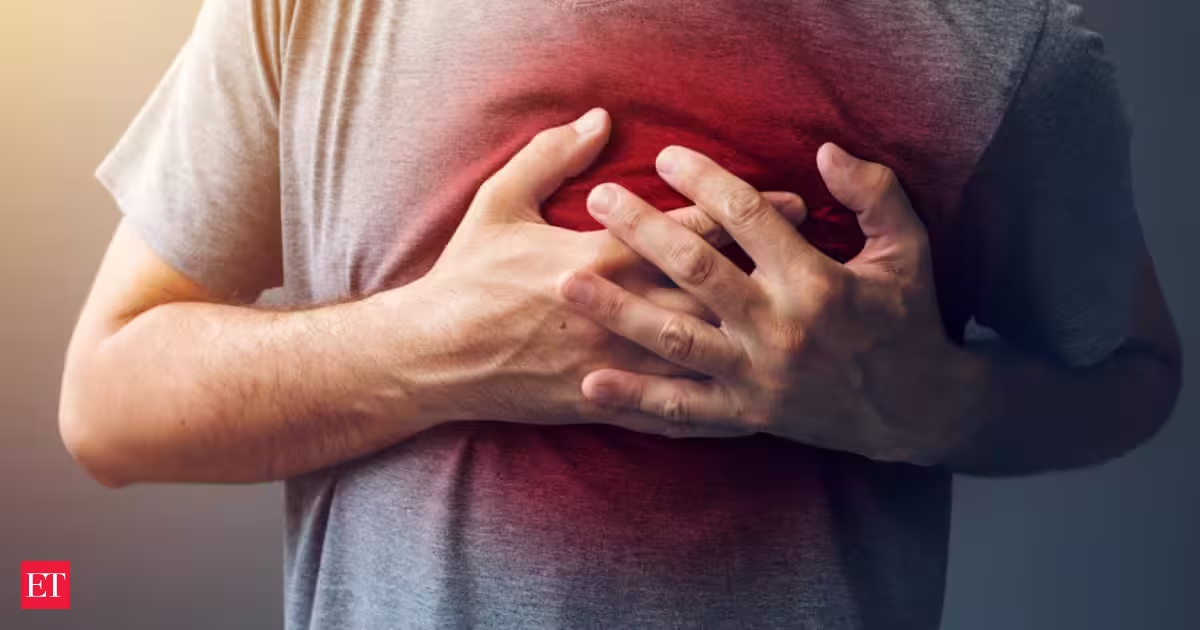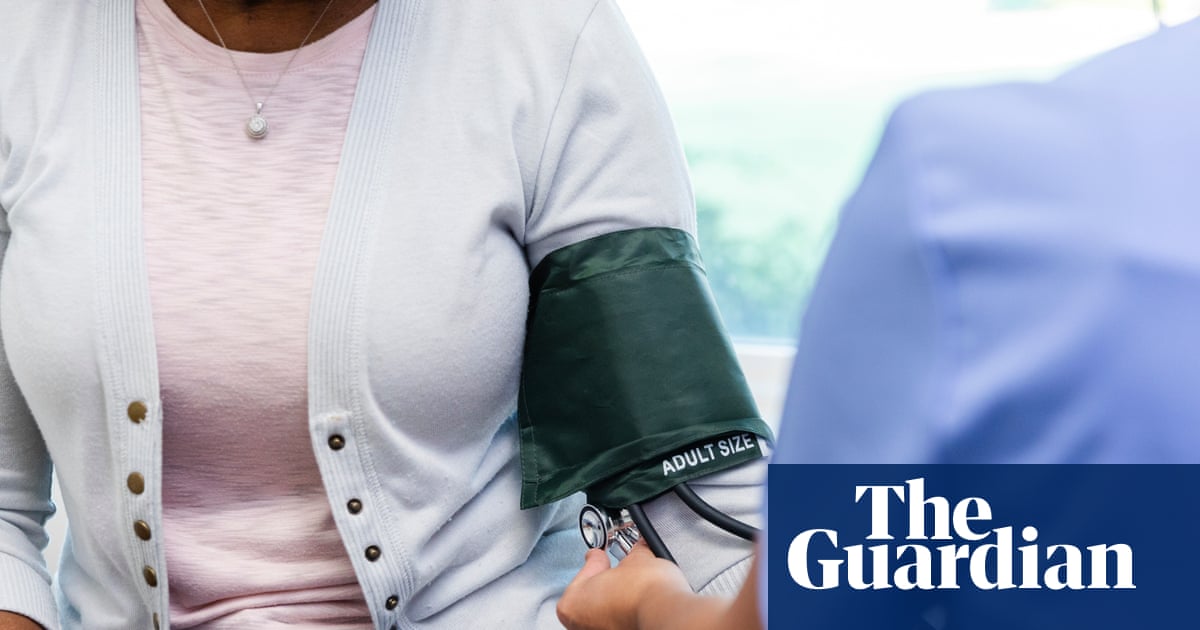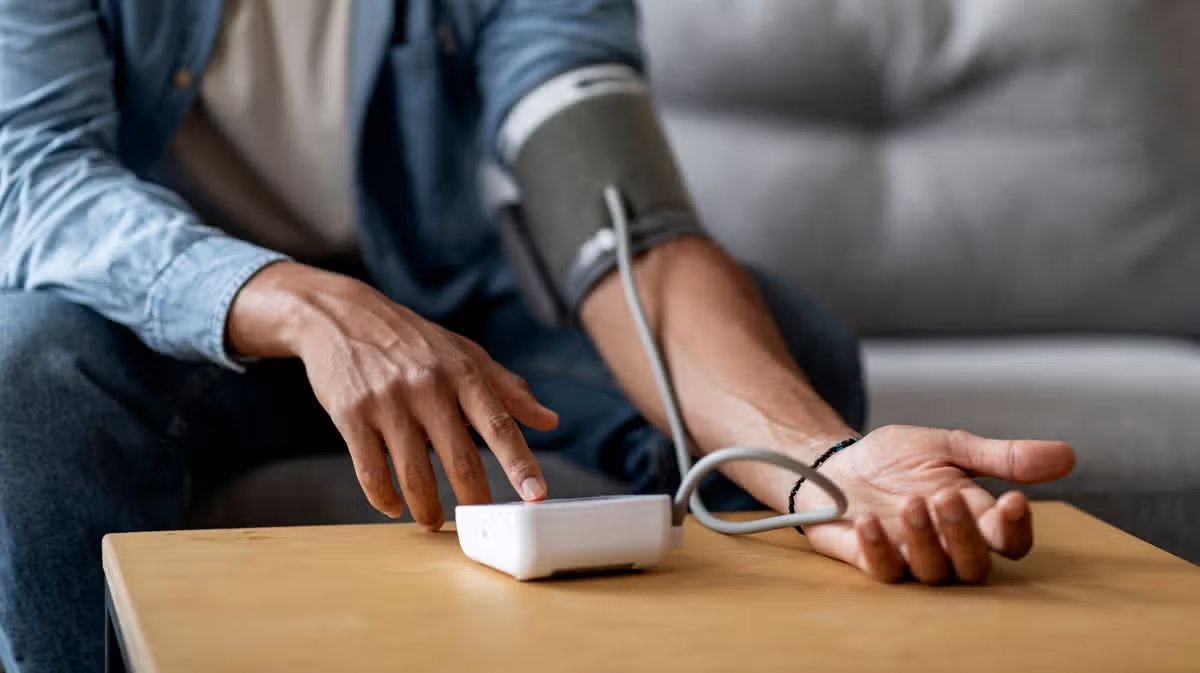
According to the British Heart Foundation, high blood pressure can stretch your arteries, making them become stiff or narrow. This makes it easier for fatty material to build up16:07, 24 Aug 2026A TV doctor has revealed how five things many people do every single day could be increasing their risk of heart attacks, strokes, and other serious health problems.Dr Amir Khan is a well-known face on ITV's Lorraine and Good Morning Britain, where he regularly dispenses invaluable health guidance. He has explained how five everyday habits could be sending your blood pressure soaring without you even realising it, reports the Express.In a TikTok video he said: "Your blood pressure is so important to your health, here are five surprising things that may raise it and why they matter for your heart."StressFirst on Dr Khan's list is hardly a shock. He said: "When you're stressed, your body releases hormones like adrenaline and cortisol. They make your heart beat faster and your blood vessels narrow. That's your fight-or-flight mode. Fine for a few minutes, but if you're stressed all the time, your blood pressure stays high."Too much caffeineDr Khan explained that, while a coffee or energy drink can give you a welcome pick-me-up, the caffeine will simultaneously cause your blood pressure to spike. "Caffeine blocks a chemical that helps your blood vessels relax, so they stay a bit tighter," he said. "If you're sensitive, even one strong cup can push your numbers up temporarily."Content cannot be displayed without consentNot getting a good night's sleep"Poor sleep means your body doesn't get its nightly reset," Dr Khan explained. "Your stress hormones stay higher during the day, and your blood pressure doesn't drop at night like it should. Over time, that can lead to chronic high blood pressure."Over-the-counter medicationsDr Khan cautioned that certain over-the-counter medications, while potentially useful for tackling short-term health issues, can have damaging effects on blood pressure. He explained that decongestants available without prescription work by constricting blood vessels in the nose to relieve congestion — but also tighten blood vessels throughout the rest of the body. "Always check the label if you have high blood pressure, he said. " he advised. "And to be honest, there isn't much evidence they work."Sitting down"I go on about this all the time," he said. "When you sit for hours without moving, blood flow slows down and your blood vessels can stiffen. Even short breaks - a quick walk, stretching - help your vessels stay flexible and keep your blood pressure in check."Wrapping up, he said: "So if your blood pressure is creeping up, think about these five everyday habits too. A few small changes could make a big difference to your heart health."What health problems can be caused by high blood pressure?According to the British Heart Foundation (BHF), high blood pressure can stretch your arteries, making them become stiff or narrow. This makes it easier for fatty material to build up. It can lead to conditions such asHeart attacksStrokeKidney failureHeart failureVascular dementiaA number of factors can increase risk of high blood pressure, including:AgeA family history of high blood pressureSmokingDrinking too much alcoholEating too much salt and not enough fruit and vegetablesNot getting enough exerciseBeing overweight, especially around your mid-sectionEthnicity - people who are of Black African or Black Caribbean descent are at a higher risk of having high blood pressureThe following conditions can also directly cause high pressure, also called secondary hypertension. These can include:Kidney diseaseDiabetesSleep apnoeaSome medicines such as oral contraceptivesSome over the counter and herbal medicationsAs many as five million adults in the UK have undiagnosed high blood pressure, according to the BHF. You can get your blood pressure checked at your GP or at some pharmacies. At-home blood pressure machines are also available to buy.The BHF says: "If you’re a healthy adult aged 40 to 74, it’s a good idea to get your blood pressure checked every five years. You may be invited for an NHS Health Check in England once you turn 40. There may be other services available in Scotland and Wales. Ask your GP about how you can get your blood pressure checked.Article continues below"If you have been diagnosed with high blood pressure and it's under control, you’ll normally be monitored yearly, along with reviewing any medicines you take. When you start new medicines or have dose changes to existing ones, your blood pressure will need to be checked more than once a year."Check with your healthcare team how often to measure your blood pressure at home if you have your own monitor. Try keeping a diary of your readings. This will help your healthcare team spot patterns, and it might be motivating to see how your blood pressure improves over time."
'I'm a doctor and 5 things you do could be increasing your blood pressure'
According to the British Heart Foundation, high blood pressure can stretch your arteries, making them become stiff or narrow. This makes it easier for fatty material to build up
784 words~4 min read