Why it is so dangerous, how it is diagnosed and how to help prevent it
High blood pressure was long considered a health problem of middle age, but rates are increasing in children and adolescents, with doctors reporting a surge in strokes among people of working age.
Hypertension is the medical name for high blood pressure. It arises when blood pressure in the arteries, the vessels that carry blood from the heart to the brain and around the body, is consistently above a healthy level. It is often called a silent killer because it causes damage throughout the body without producing obvious symptoms.
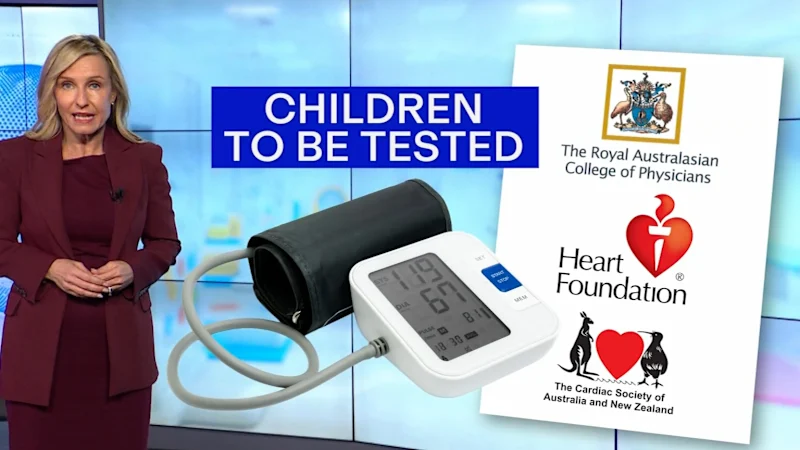
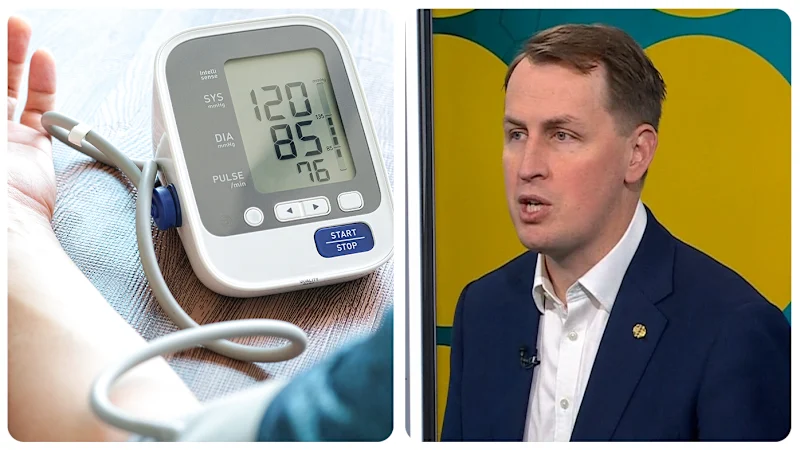
Blood pressure is usually measured with a blood pressure monitor, which wraps an inflatable cuff around the arm. The measurement records two numbers, in units of mm Hg (mercury), and displays them as the higher number over the lower. The higher number, the systolic pressure, is the pressure when the heart contracts to push blood around the body. The lower number, the diastolic pressure, is when the heart relaxes between beats.
Countries have different thresholds for diagnosing high blood pressure. In the UK, the healthy range for adults is 90/60 to 119/79. Slightly raised blood pressure is 120/80 to 139/89, and high blood pressure is from 140/90 upwards. In the US, a reading between 130/80 to 139/89 is called stage 1 hypertension, with stage 2 hypertension at 140/90 and over.