This story was originally published by ProPublica.
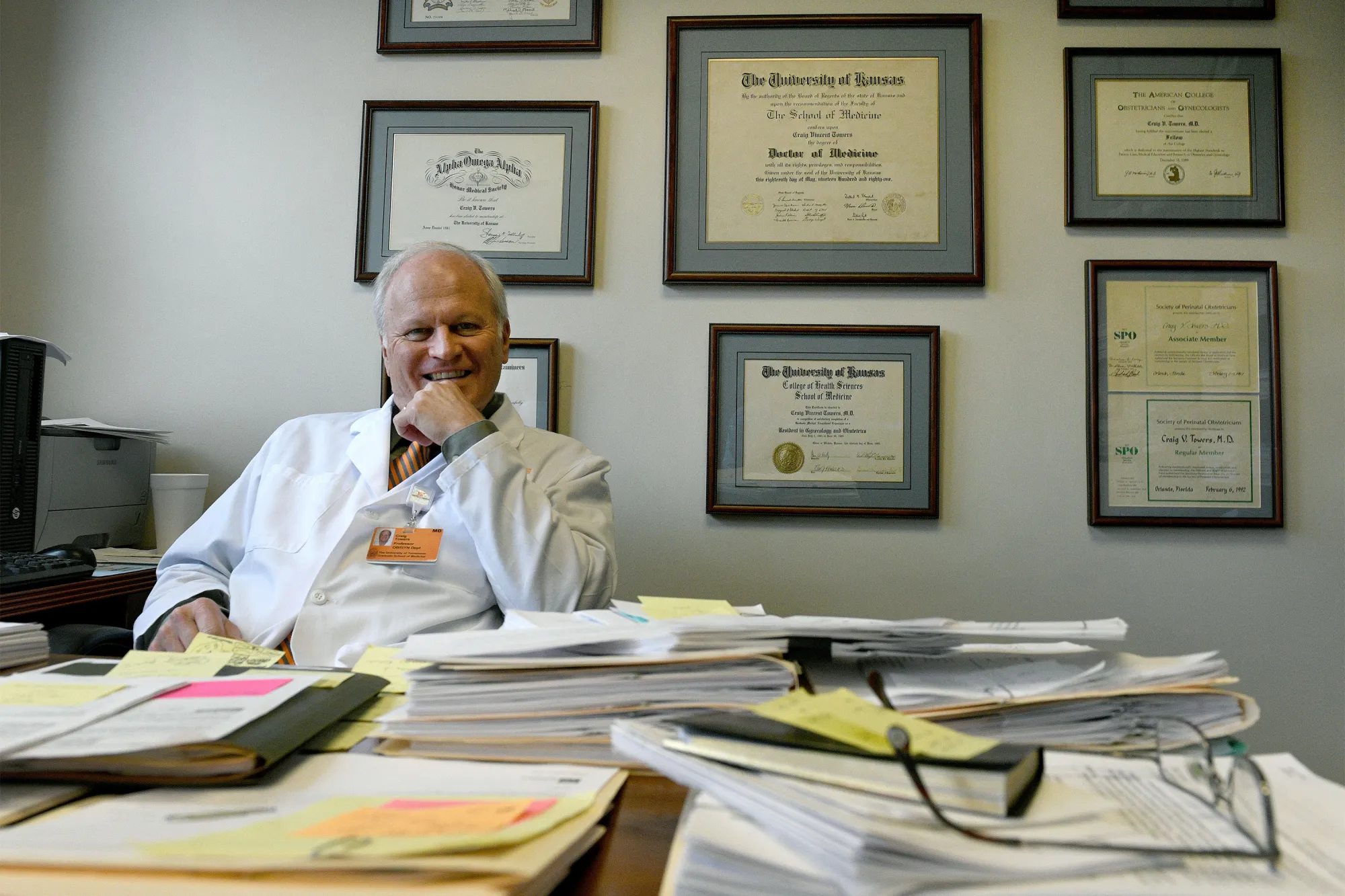
When Craig Towers, MD, moved to Knoxville, Tennessee, in 2010, the high-risk obstetrician encountered a crisis unlike anything he'd seen.
Towers, who had practiced for 25 years in California and Wisconsin, found himself caring for an unusual number of pregnant women addicted to painkillers -- and delivering newborns who were suffering withdrawal symptoms. Those babies, born shaking and inconsolable and who required weeks of specialized care, were becoming tragic symbols of the region's raging opioid epidemic. "We were inundated," Towers later told the Knoxville News Sentinel.
In those initial years in Tennessee, Towers recognized a need -- and a research opportunity.
Medical doctrine had long held that a pregnant patient with an opioid addiction could not be safely detoxed because withdrawal could harm the fetus, causing physical stress and even triggering miscarriage. Instead, doctors treated patients with methadone or buprenorphine, which are legal replacement opiates that control cravings and have a lower risk of overdose. Those drugs can still cause babies to be born in withdrawal, but doctors reasoned that it was better to treat the newborn for those symptoms than risk the baby's death.