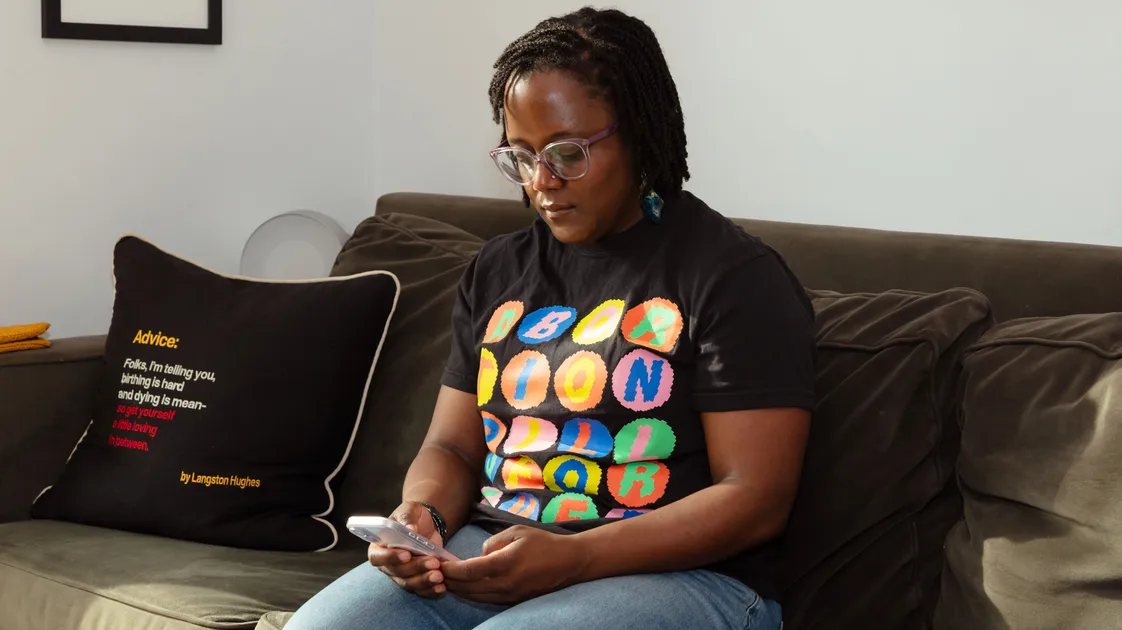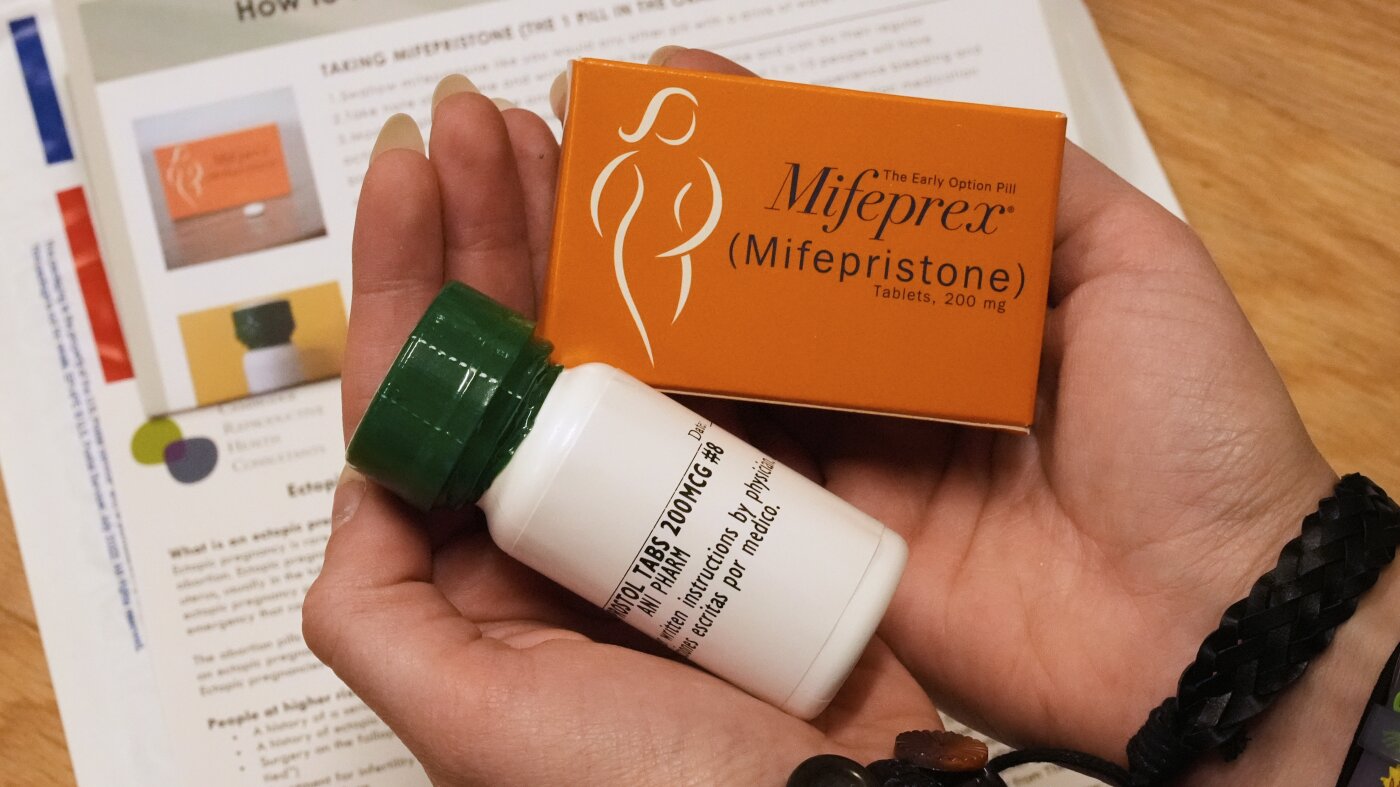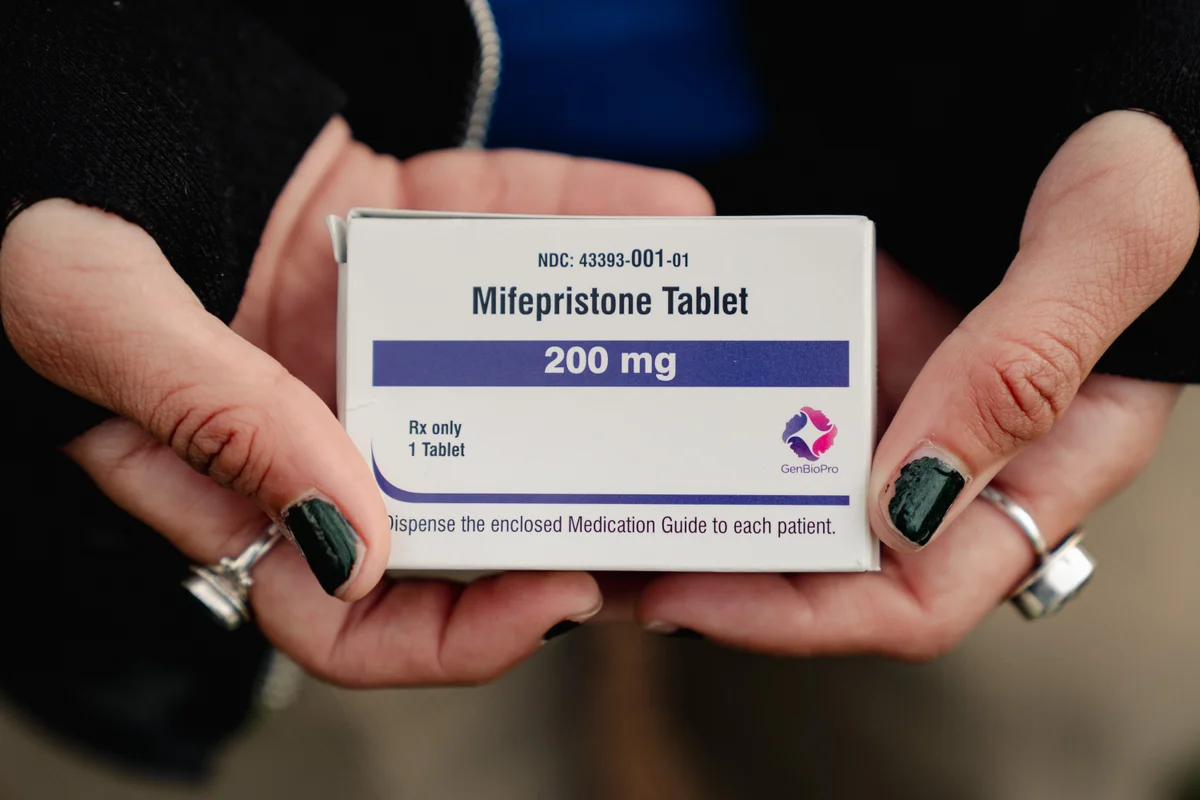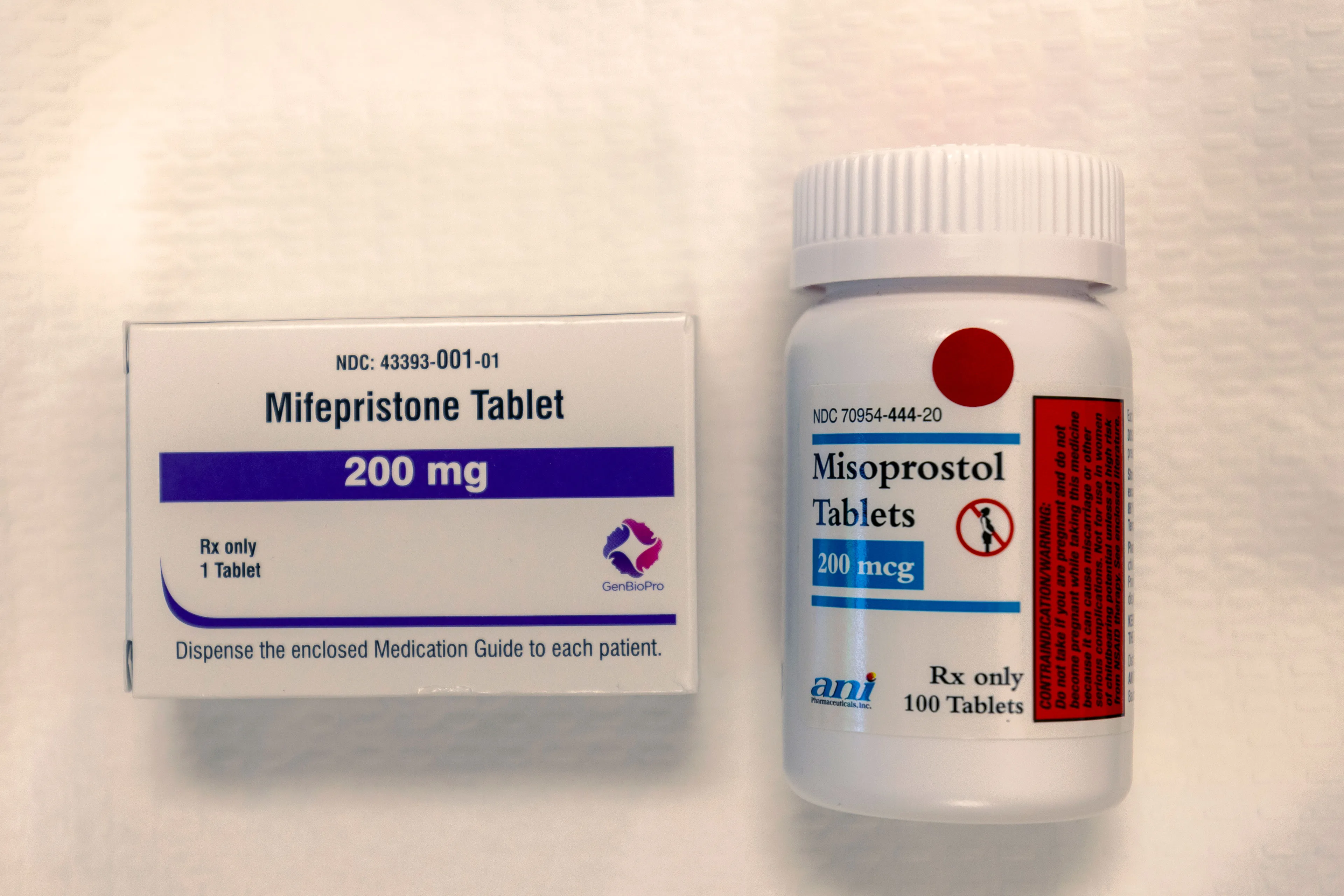
A physician is eating dinner with her family when an encrypted message appears on her phone. A frightened 17-year-old explains that she took misoprostol — one of the medications commonly used to end a pregnancy. Four weeks later, she is still nauseated and her pregnancy test remains positive.
She wants to know: Can she see a doctor without her parents finding out? Could she get into legal trouble for taking abortion pills?
The physician reassures her that she can speak privately with a clinician and that she does not need to disclose how she managed her abortion. Before signing off, the teenager thanks her — the exchange calmed her down after Google search results frightened her.
For growing numbers of people in America, this is what abortion care looks like today.
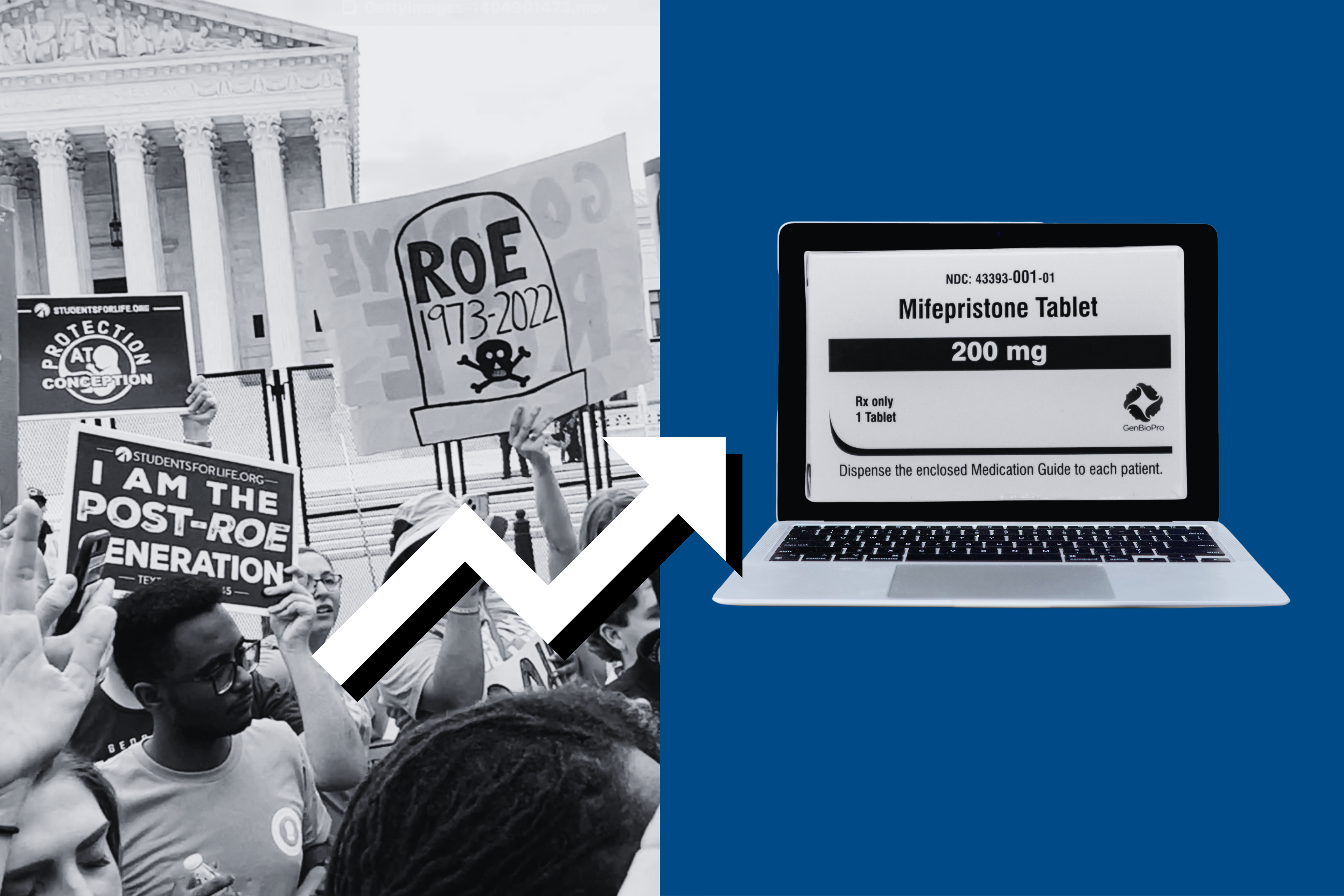
Most discussions about abortion since Dobbs have focused on laws, courts, and clinics. But these conversations miss another transformation already underway: In a new Lancet — Regional Health Americas study, my colleagues and I analyzed more than 16,000 contacts with the Miscarriage + Abortion Hotline over two years — and what we found tells a different story. Patients are increasingly seeking abortion information and medical support outside traditional health care settings.