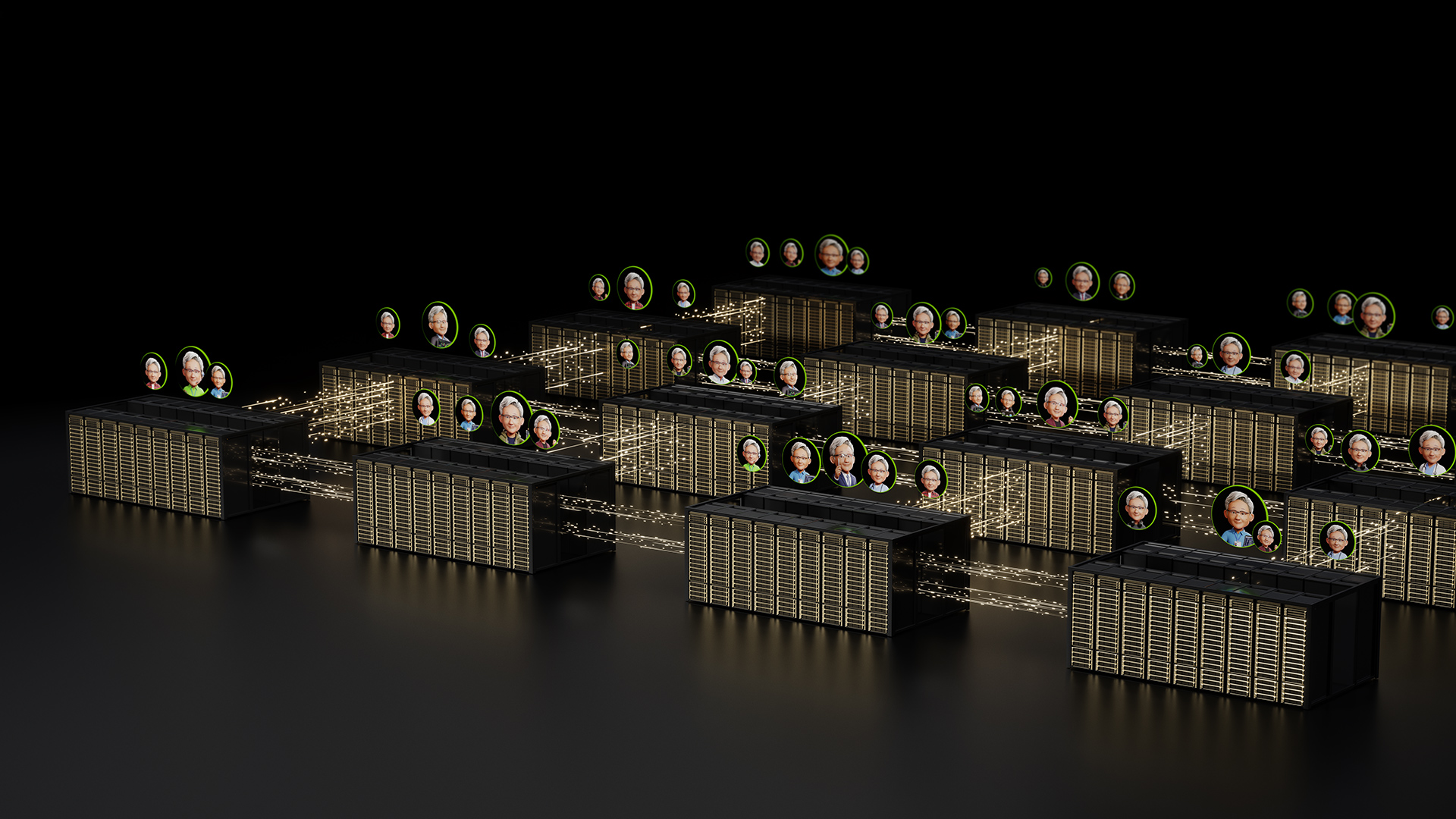
AI factories are interconnected systems where fleet economics depend on how efficiently the entire stack converts power and capital into completed agent tasks. While GPUs run the models, CPUs handle orchestration, tool execution, and sandboxed computation. Unlike conventional computing with stable runtime profiles, agentic workloads are unpredictable and highly variable. Based on telemetry from 163,594 agentic sessions, over 97% of sessions showed unique trajectory profiles (Figure 1). This variability makes it impractical to right-size a fleet using multiple specialized CPU design points.
Figure 1. Telemetry data from 163,594 agentic sessions showing over 97% unique profiles
Production telemetry also reveals how these diverse trajectories unfold: across sessions, execution follows a long sequential chain of reasoning interspersed with sporadic bursts of parallel work. This real-world data shows that the dominant sequential path is strictly latency-bound—governing overall session completion time—while transient fan-out demands a combination of available thread concurrency and low-latency per-thread execution.
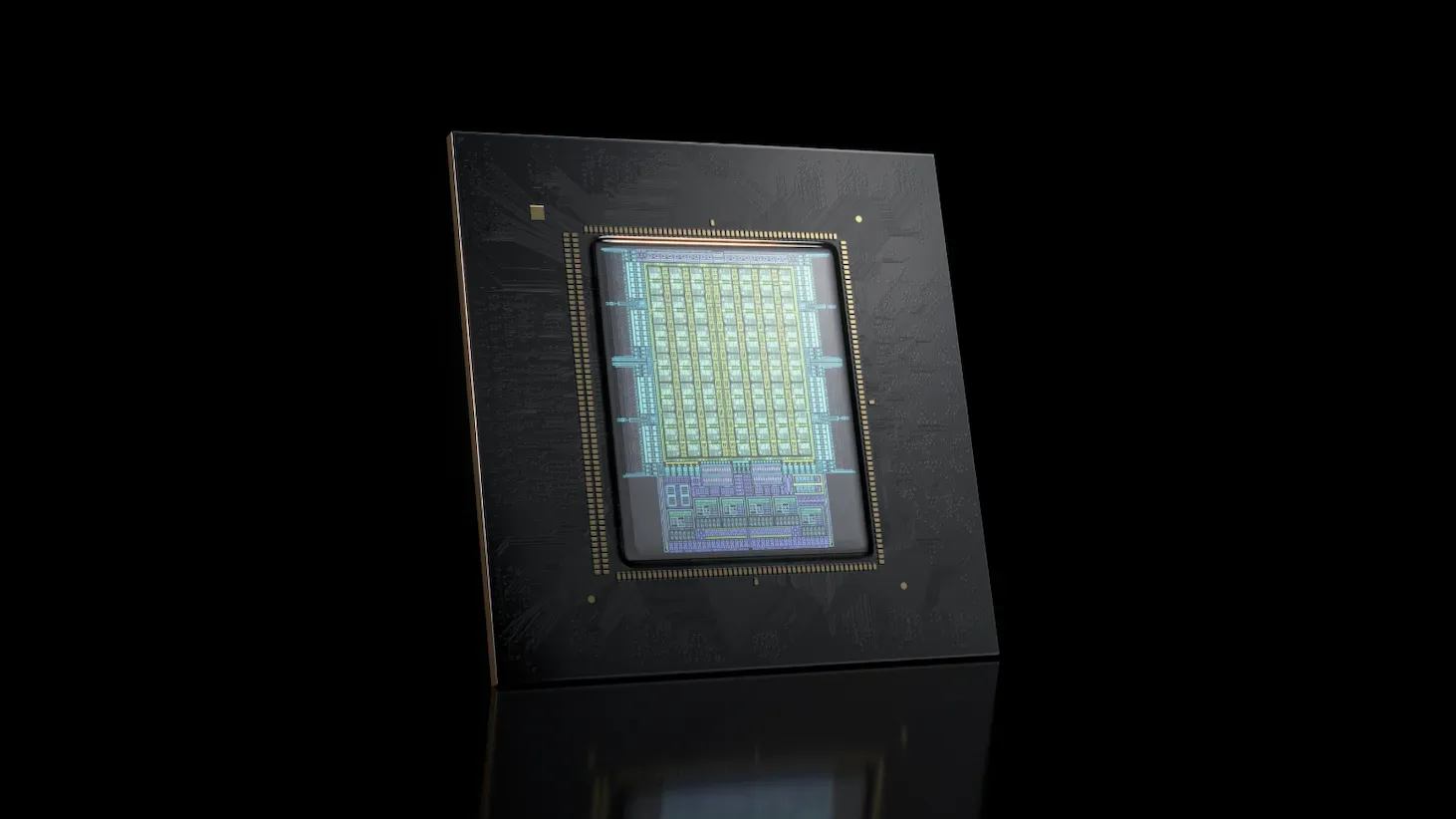
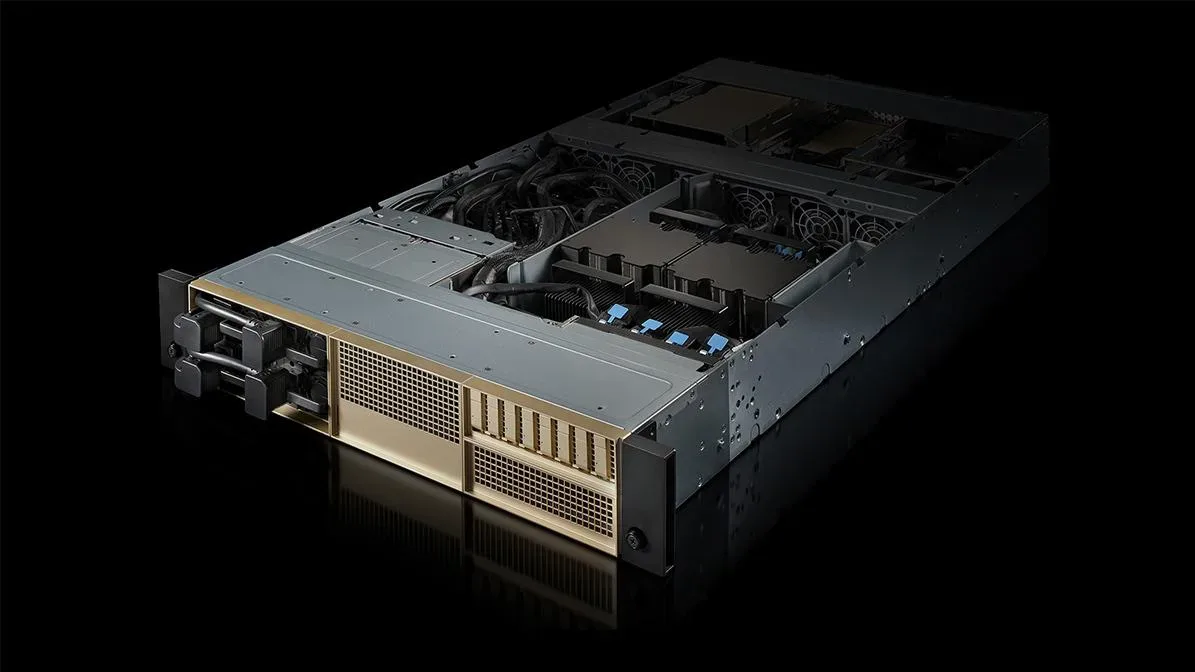
Rather than fragmenting a fleet by planning around isolated tool-calling scenarios, AI factories need a single, balanced CPU design point. The NVIDIA Vera CPU is architected for this balance—delivering top per-core performance on typical agentic workloads to accelerate the critical path while absorbing intermittent fan-out bursts. The following sections examine the telemetry behind these agent trajectories and show how the Vera CPU’s balanced architecture optimizes real-world fleet economics.