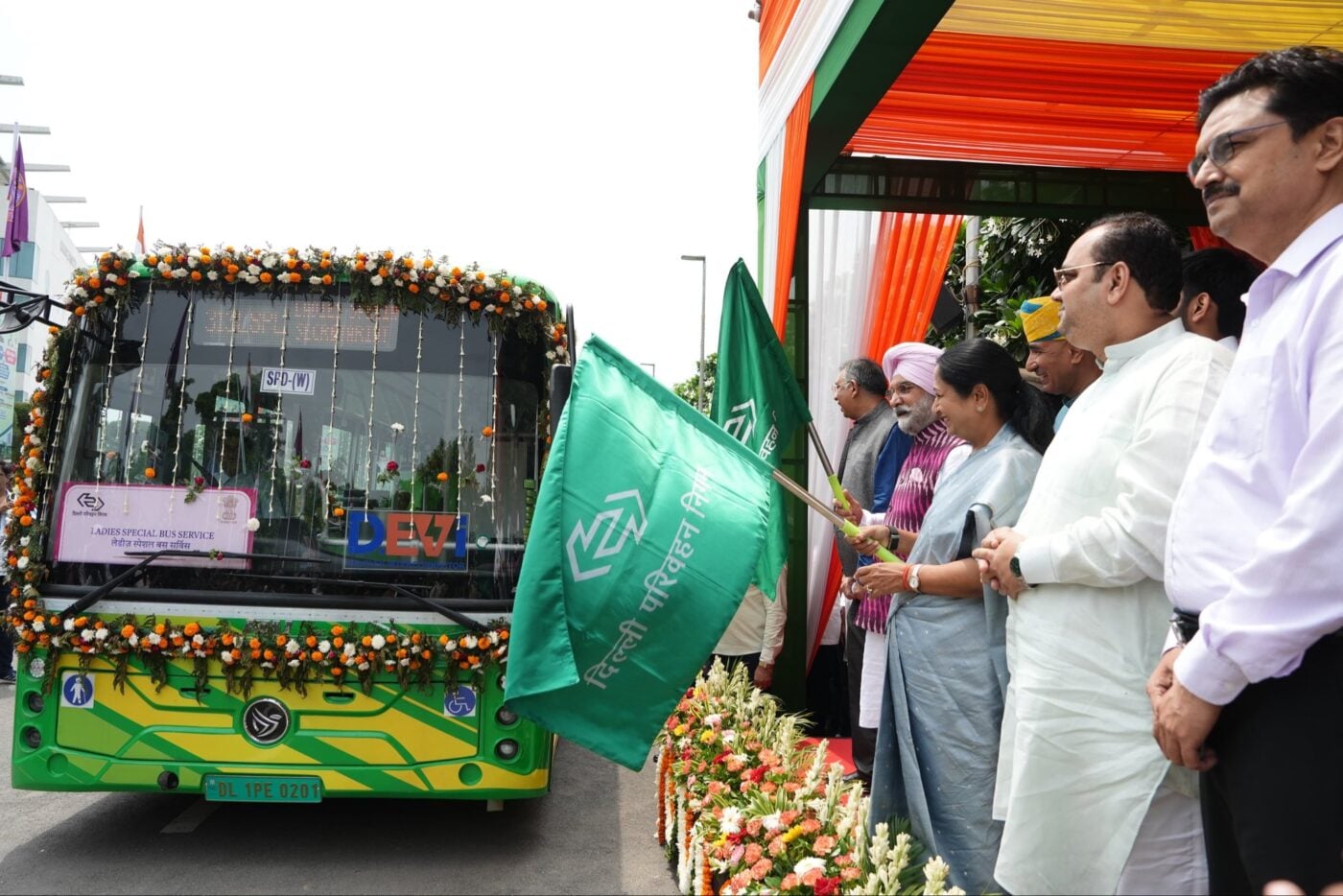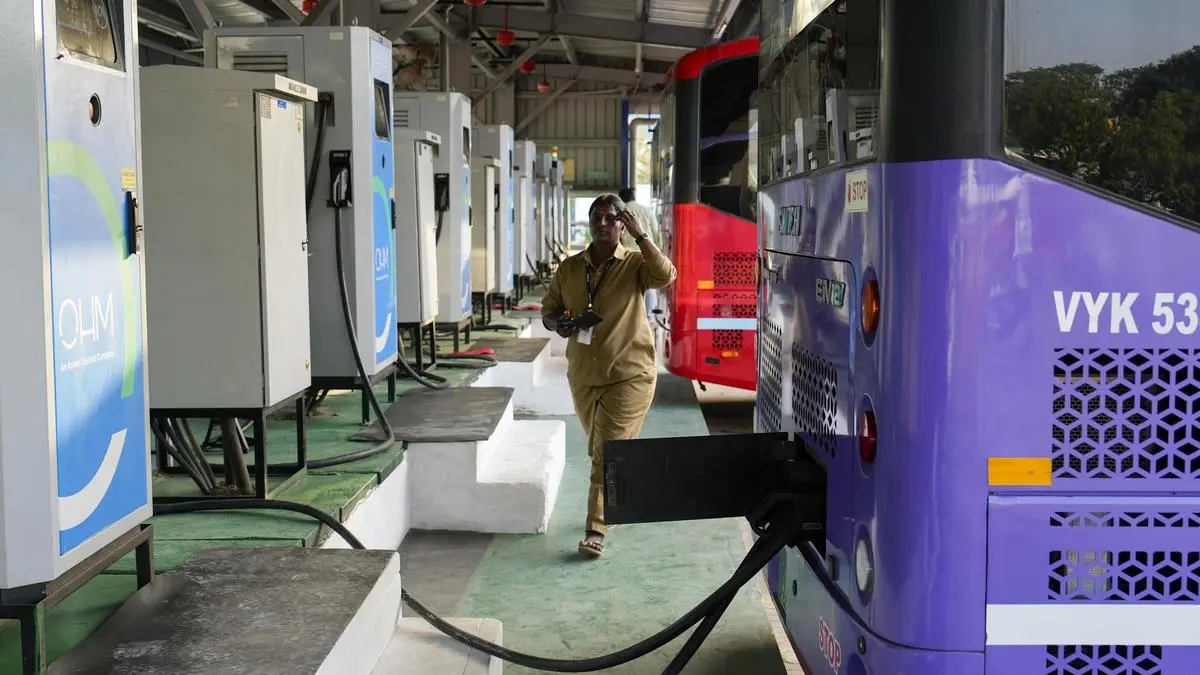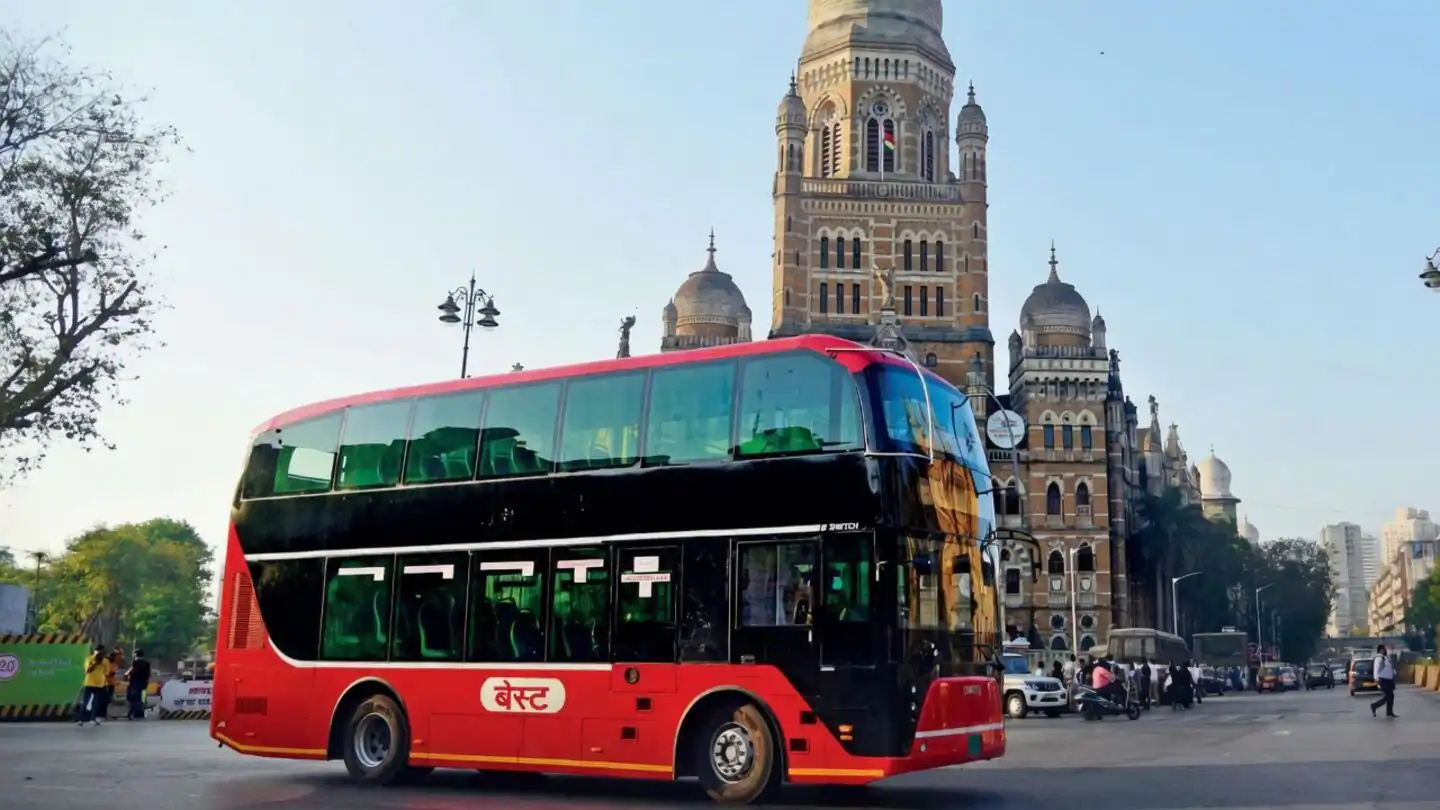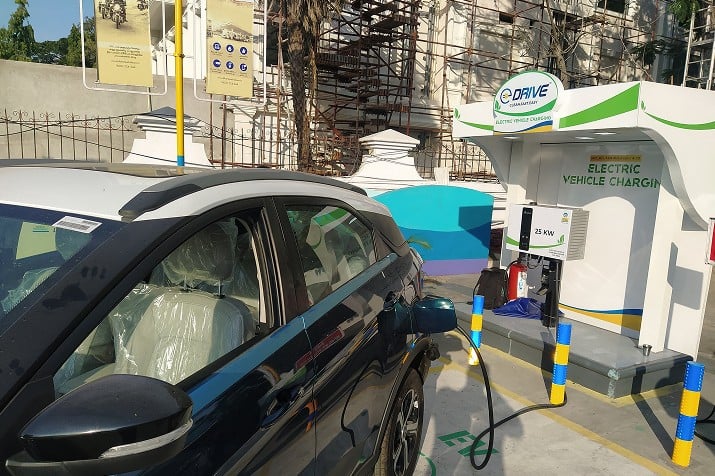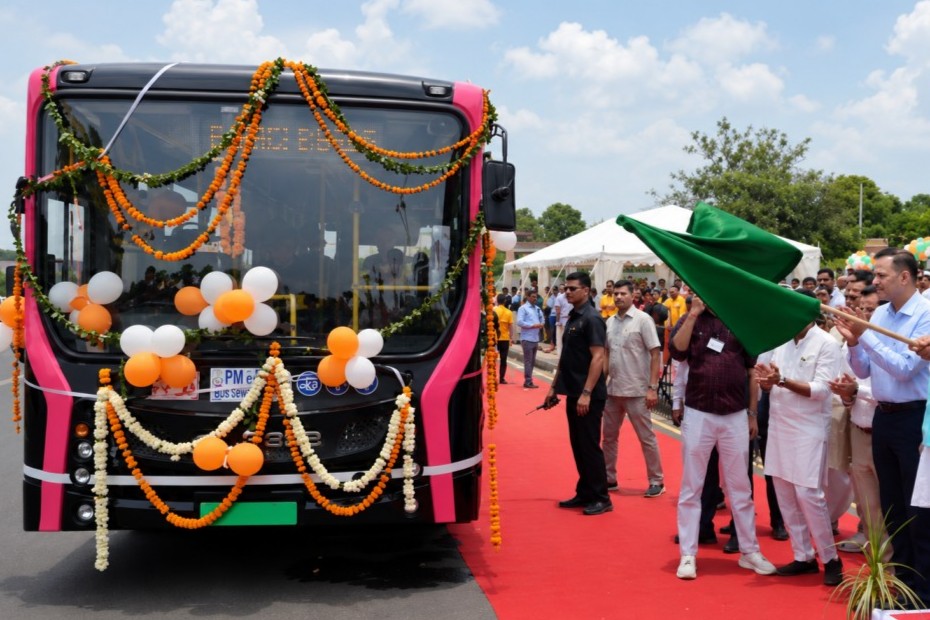
A report by EV fleet-management company YoMobility said only 523 buses had been deployed under the PM e-Bus Sewa-Payment Security Mechanism programme as of July 10
| Photo Credit:
India has sanctioned 27,555 electric buses, nearly three-fourths of its target of 38,000, but barely 2,000-2,500 are said to be operating currently, according to industry experts.The gulf is particularly visible in the latest Centrally backed deployment. A report by EV fleet-management company YoMobility said only 523 buses had been deployed under the PM e-Bus Sewa-Payment Security Mechanism programme as of July 10, citing disclosures made by the government in the Lok Sabha.The numbers expose an emerging fault line in India’s public-transport electrification push. Sanctions have created a large order pipeline, but putting buses on the road requires transport undertakings, OEMs and operators to synchronise tenders, contracts, depots, power connections, chargers, drivers, and vehicle deliveries.“The success of this large-scale deployment will not be decided by vehicle-manufacturing capacity or fund allocations alone; it is inextricably linked to operational discipline, robust financial assurance and balanced risk-sharing mechanisms,” said Gurusharan Dhillon, an e-mobility, hydrogen and energy-storage expert.From sanction to streetThe 27,555-bus pipeline spans programmes at different stages: industry estimates put 10,000 buses under the Ministry of Housing and Urban Affairs’ PM-eBus Sewa, 14,028 under the Ministry of Heavy Industries’ PM E-DRIVE scheme, and 3,527 under State and transport-undertaking initiatives.Under PM e-Bus Sewa, about 6,228 buses have reached the confirmation stage and concession agreements have been signed for more than 4,300, according to industry estimates, while fewer than 600 are operational. PM E-DRIVE, backed by ₹4,391 crore investments for 14,028 buses, represents another large pipeline where deliveries are still ramping up.Odisha illustrates the gap: the State was allocated 400 buses under PM e-Bus Sewa but had none deployed against that allocation as of August 3, according to data reviewed for this story.Recent Lok Sabha disclosures add official weight to the execution challenge. More than 23,800 buses have been sanctioned under PM E-DRIVE and PM e-Bus Sewa, while Letters of Award have been issued by 48 public transport authorities across 62 cities. Depot civil works, land availability, and charging-infrastructure readiness remain key hurdles.Separately, about 5,197 e-buses have already been deployed under the earlier FAME-II programme.GCC model faces its testGetting buses onto roads solves only the first problem. Under the gross cost contract (GCC) model, transport undertakings typically manage routes, conductors, and public accountability, while private operators or OEM-led consortiums shoulder vehicle supply, maintenance, depot infrastructure, and drivers.Operators can face penalties for buses failing to leave depots on schedule, breakdowns, driver shortages, or failure to achieve contracted kilometres — even when constraints such as grid augmentation, land, and depot works involve other agencies.The government has sought to reduce payment risk through the ₹3,435.33-crore Payment Security Mechanism, protecting operators against defaults by public transport authorities.Battery performance presents another long-term risk. Batteries account for an estimated 30-40 per cent of the value of an electric bus, Dhillon said, making replacement potentially expensive during long concessions. He argued that contracts should recognise the relationship between degradation and kilometres travelled, rather than calendar age alone.India’s e-bus transition, therefore, faces two tests: closing the distance between buses sanctioned and buses carrying passengers, and then keeping thousands of new buses reliably on the road without making GCC economics untenable for the operators expected to run them.Published on August 24, 2026