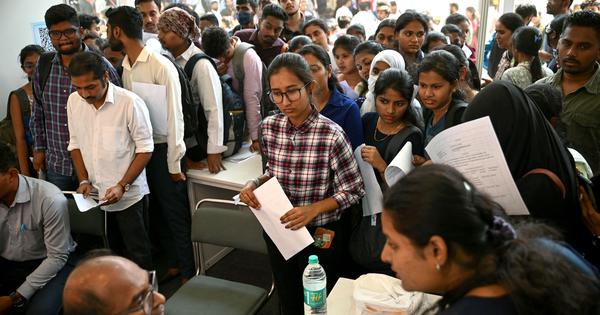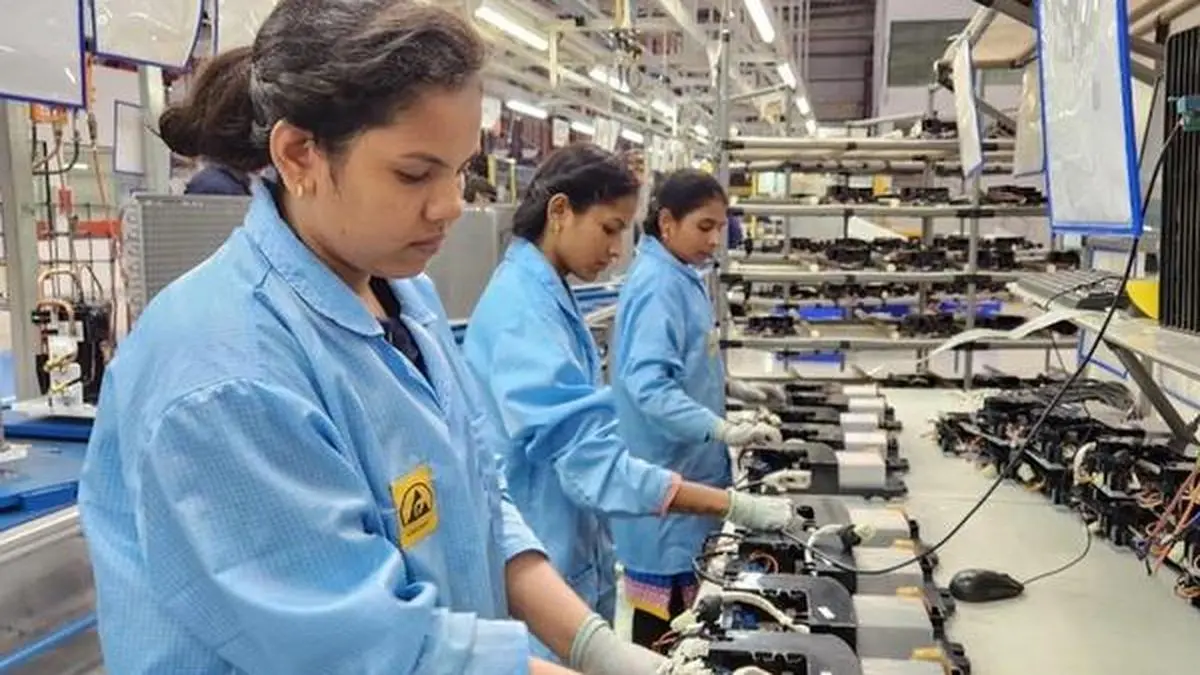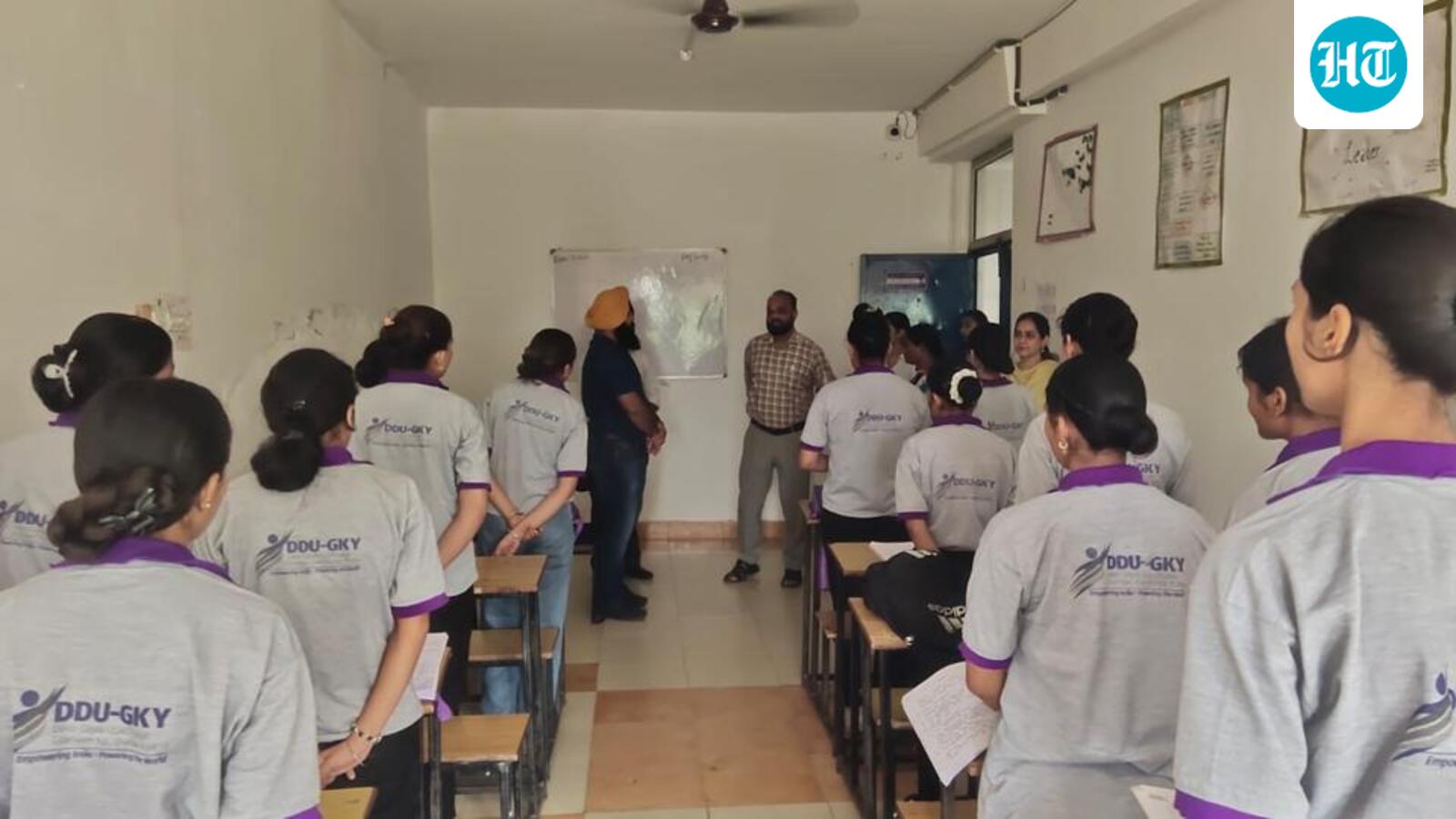
Even as 7.67 crore people have been formally skilled since 2014-15, training under India’s skilling ecosystem has not consistently translated into employability, career progression or sustained livelihoods, the NITI Aayog has said, calling for a shift from measuring enrolment to measuring outcomes.The report, Reimagining Skilling for Viksit Bharat@2047, said the system continued to face gaps in funding, delivery, employer participation and links with the labour market. Around ₹34,000 crore was allocated for skilling by Central ministries in 2025-26, but funding largely remained linked to enrolment rather than outcomes.It recommended financing models tied to verified placements, wage gains and job retention, including digital skill vouchers, placement-linked loans and “pay-for-results” mechanisms such as Skill Impact Bonds.The report also highlighted a major mismatch between education and jobs. Citing the Economic Survey 2024-25, it said only 8.25 per cent of graduates were employed in roles aligned with their qualifications. Unemployment among graduates stood at 13 per cent, rising to 20.4 per cent among graduate women, compared with the national unemployment rate of 3.2 per cent.Of the 3.4 crore students enrolled in undergraduate programmes, 1.13 crore were pursuing B.A., while enrolment in B.A., B.Sc. and B.Com together exceeded 2 crore. The report said many students pursued generic degrees primarily to remain eligible for government jobs. It cited more than 1.86 crore applications for 55,000 railway posts between November 2024 and July 2025 as an example of the mismatch.The report called for greater industry participation, applied specialisations and apprenticeship-linked degrees. Boston Consulting Group (BCG) survey data cited in the report showed that a generic graduate who had not acquired additional skills earned an average starting salary of about ₹22,000 a month, compared with ₹29,000 for one who had. Over 10 years, this could translate into nearly ₹9.7 lakh in additional income.The report said standalone skilling programmes had expanded access but continued to suffer from “weak outcome orientation, limited employer integration, and inflexible formats”. It recommended demand-driven training linked to high-growth sectors such as green industries and electric vehicles.Apprenticeships remained another weak link. NAPS (National Apprenticeship Promotion Scheme) and National Apprenticeship Training Scheme (NATS) together engaged about 11.84 lakh and 5.23 lakh apprentices respectively in 2025. Yet only around 32,000 of India’s roughly six crore registered MSMEs had engaged apprentices under NAPS. Just 8.5 per cent of ITI trainees in 2018 subsequently took up apprenticeships.The report also identified affordability and lack of awareness as major barriers, particularly for informal workers and women. More than 80 per cent of informal workers pursued skilling either free or for less than ₹10,000. Among women who underwent training, 72 per cent used free courses or courses costing below ₹5,000, compared with 52 per cent of men.Awareness was another major gap. According to the State of Skills Survey 2024, lack of awareness of suitable programmes was cited by 47 per cent of women, 43 per cent of NEET (Not in Education, Employment, or Training) youth, 36 per cent of higher-education students, 52 per cent of formal workers and 55 per cent of informal workers.The report proposed five core reforms: integrating vocational exposure into schools from Grade 6; stronger public-private partnerships in technical and higher education; outcome-linked standalone programmes; a unified apprenticeship system; and stronger career guidance and counselling.It also recommended a Digital Skills Passport bringing together verified credentials, skills and work experience, outcome-based financing, operationalisation of the National Credit Framework and skills-first hiring policies.Published on August 24, 2026
Crores trained under India’s skilling programmes, but employment outcomes remain uneven: NITI Aayog report
Unemployment among graduates stands at 13%, rising to 20.4% among graduate women, compared with the national unemployment rate of 3.2%
566 words~3 min read