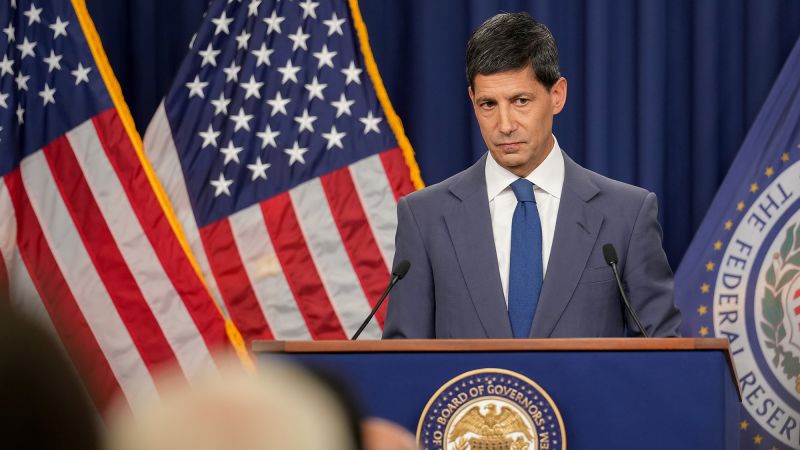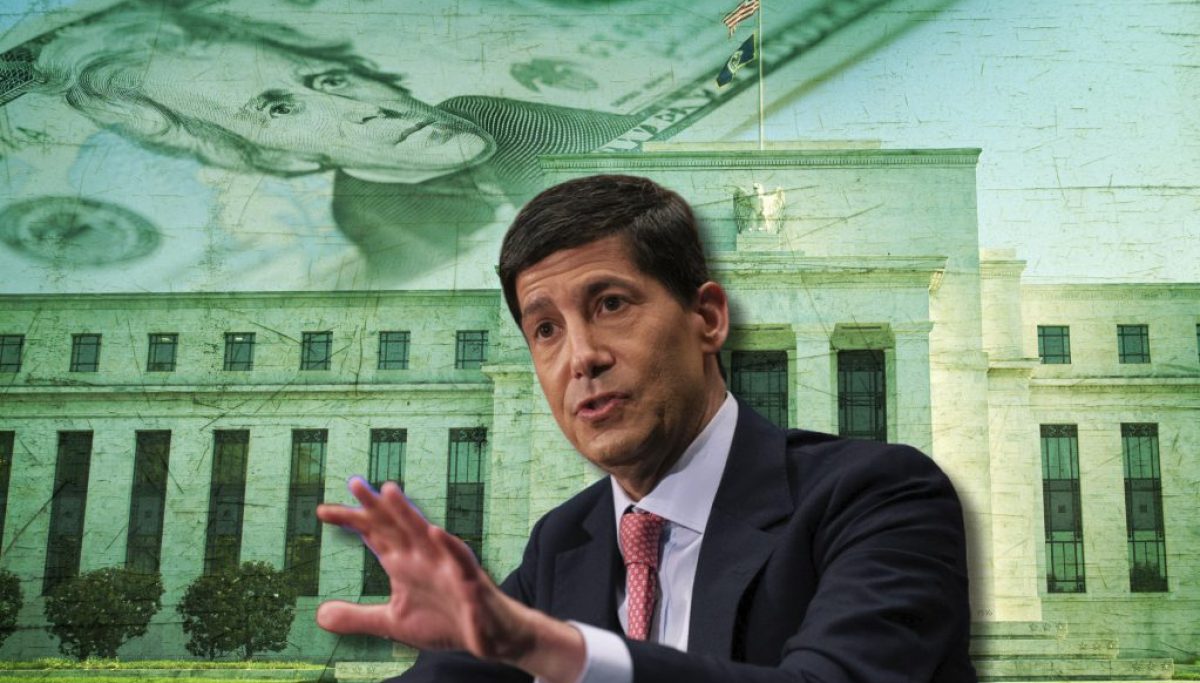
History should be the Federal Reserve’s best teacher in September. It has already shown what happens when central banks answer an energy shock with higher interest rates: employment weakens, investment retreats, and policymakers eventually reverse course after families and businesses have absorbed unnecessary damage. The Fed can learn that lesson now, or make working Americans pay for the same shock twice.The clearest warning comes from the Federal Reserve itself. In 2007, Governor Frederic Mishkin explained that tightening in response to an energy-driven rise in headline inflation would push employment lower after the shock had begun to fade. A Federal Reserve model found that reacting to headlines rather than core inflation drove rates higher and unemployment up, only to require rates to be cut below baseline later. The lesson was not to ignore inflation. It was to distinguish its source before imposing the cure.That distinction is decisive today. Working families are already paying once through gasoline, electricity, transportation, food, and nearly everything that must be produced or moved. Another rate increase would make them pay again through more expensive mortgages, auto loans, credit cards, and business financing. It would suppress the investment needed to expand supply and strengthen growth while doing nothing to produce another barrel of oil.
Raising rates won't fix the energy shock — it just makes workers pay twice
The Fed must hold interest rates steady in September. Raising rates in response to an energy shock hurts workers without fixing inflation.
799 words~4 min read