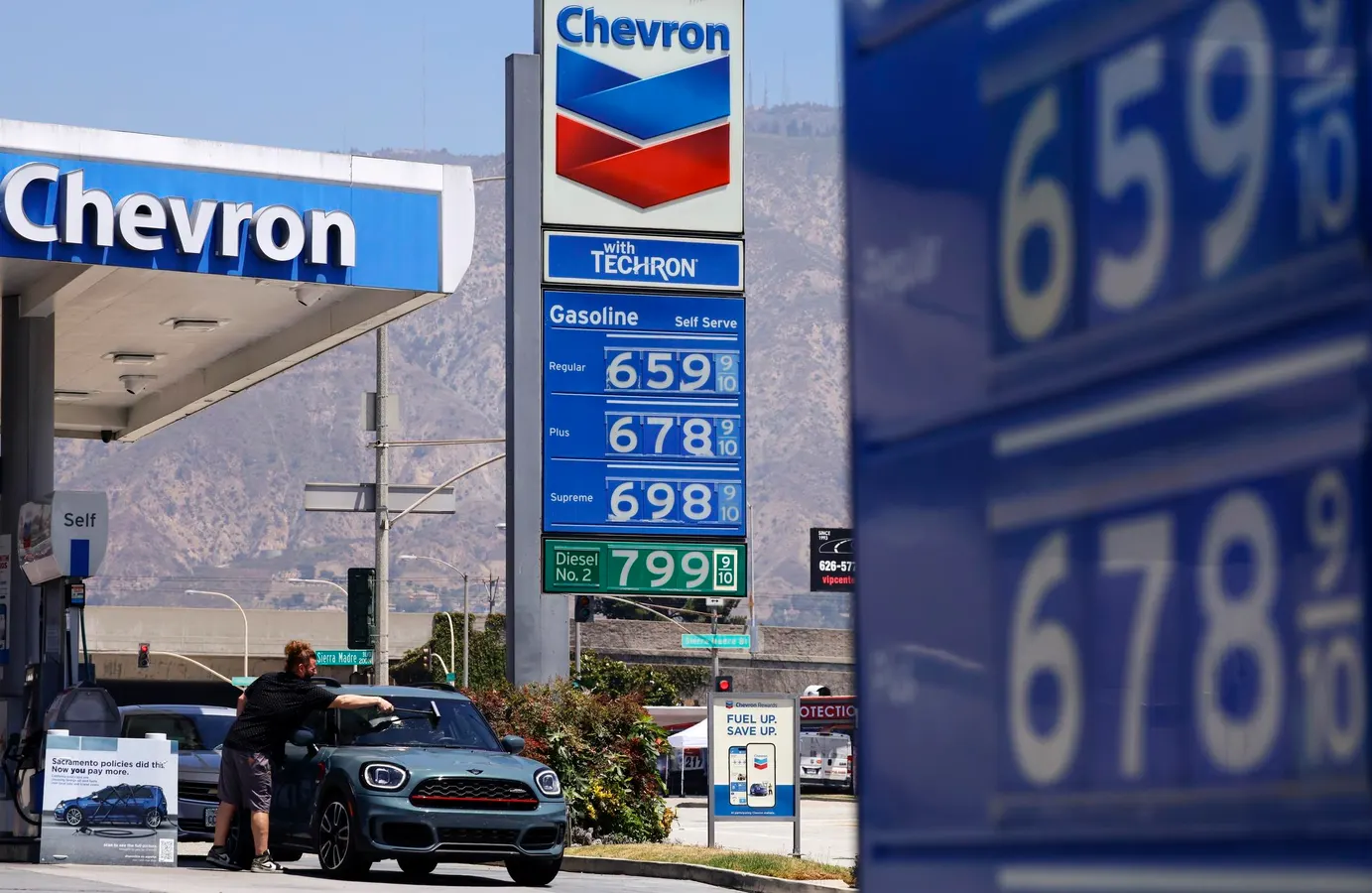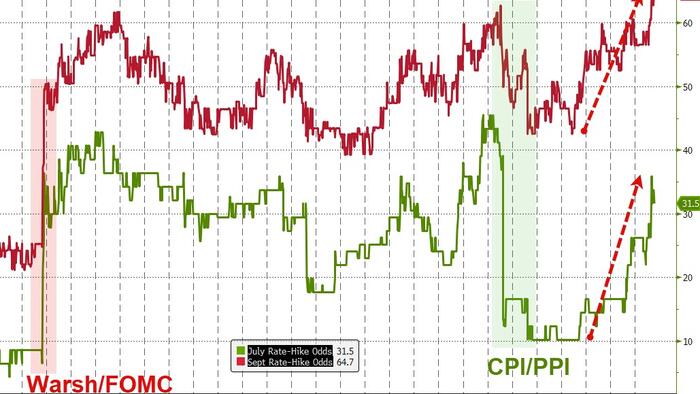
The Federal Reserve faces a simple challenge at its June meeting: Do not mistake an energy shock for an overheated economy.For much of the past year, I have argued that lower interest rates would support small businesses, encourage investment, and improve economic growth.The recent surge in energy prices has altered the near-term policy landscape. Crude oil prices have risen sharply in recent weeks as geopolitical tensions in the Middle East have increased. The question facing the Federal Reserve is no longer whether lower rates would eventually benefit the economy. The question is whether policymakers should respond to inflation driven largely by higher energy costs by tightening policy further.
THE YEAR THAT BROKE THE CONSTITUTION
They should not.
The prudent course is to hold rates steady, allow the energy shock to work through the economy, and avoid creating new obstacles for businesses and consumers at a time when the economy continues to demonstrate resilience.
The current economy is experiencing an inflation squeeze driven largely by higher energy costs, not excessive demand. That distinction matters because it requires a different policy response. An overheated economy may require tighter monetary policy. A temporary supply-driven shock requires stability and patience.