Diamond Rapids, Crescent Island and Wildcat Lake demonstrate how Intel is scaling Agentic AI from the rack to the edge.
In this article:
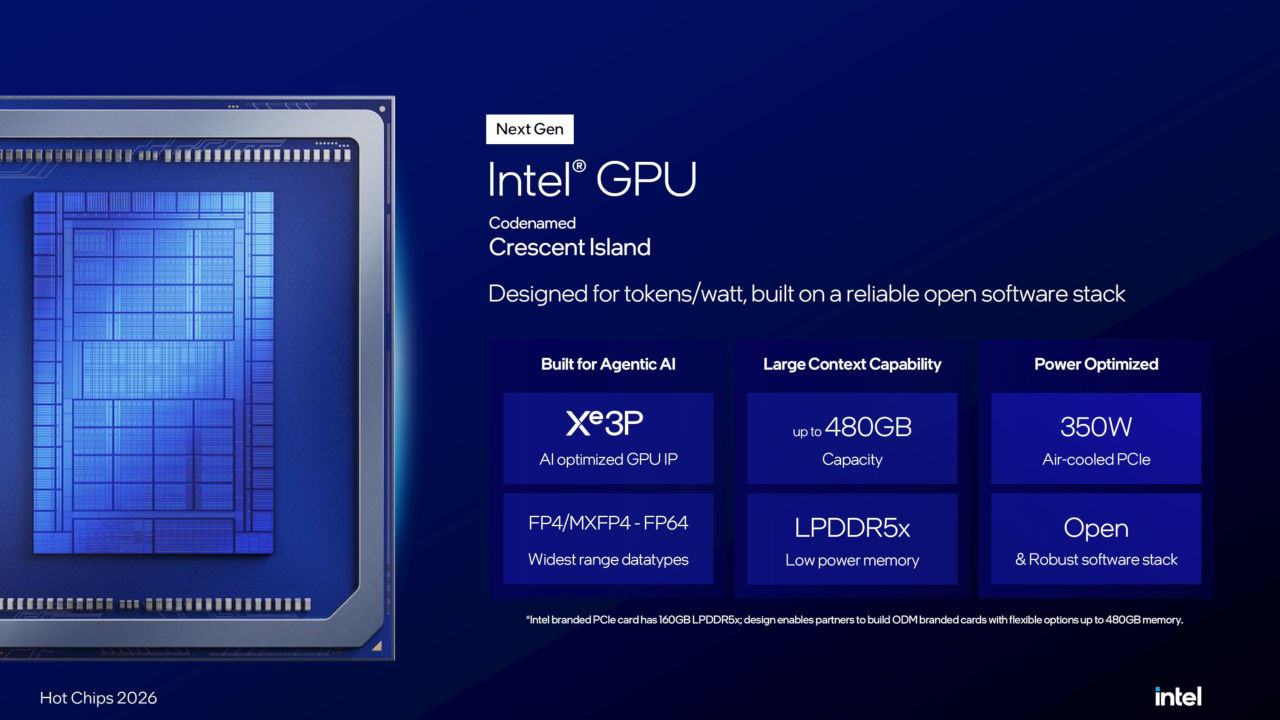
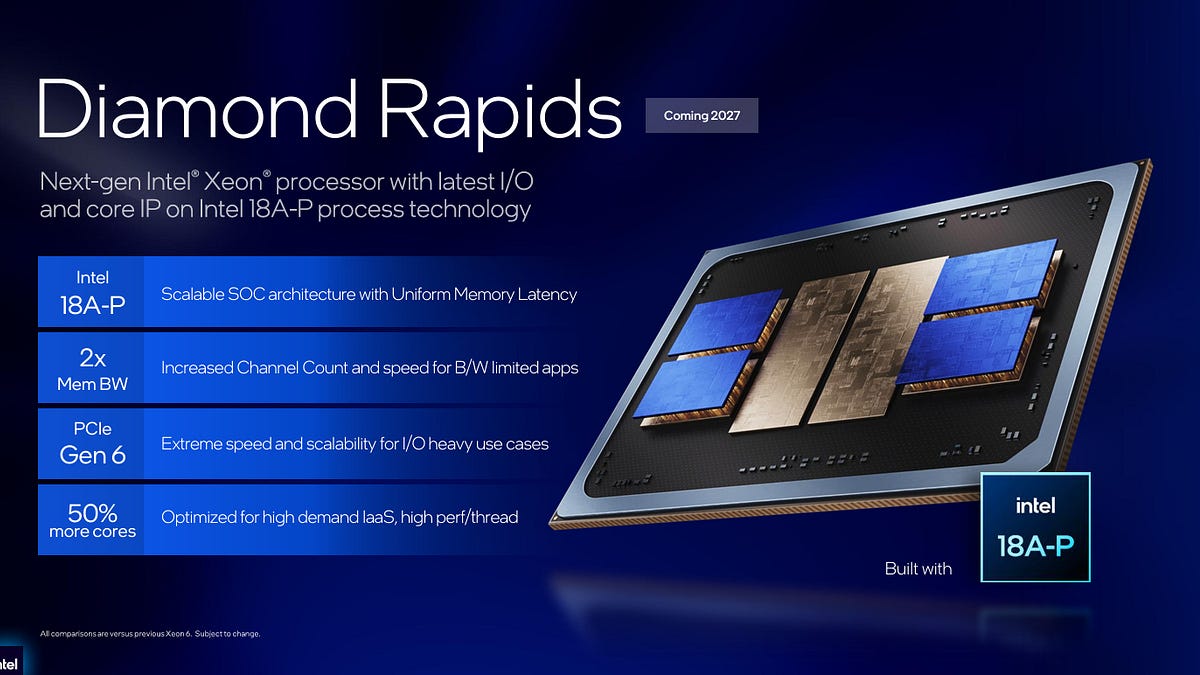
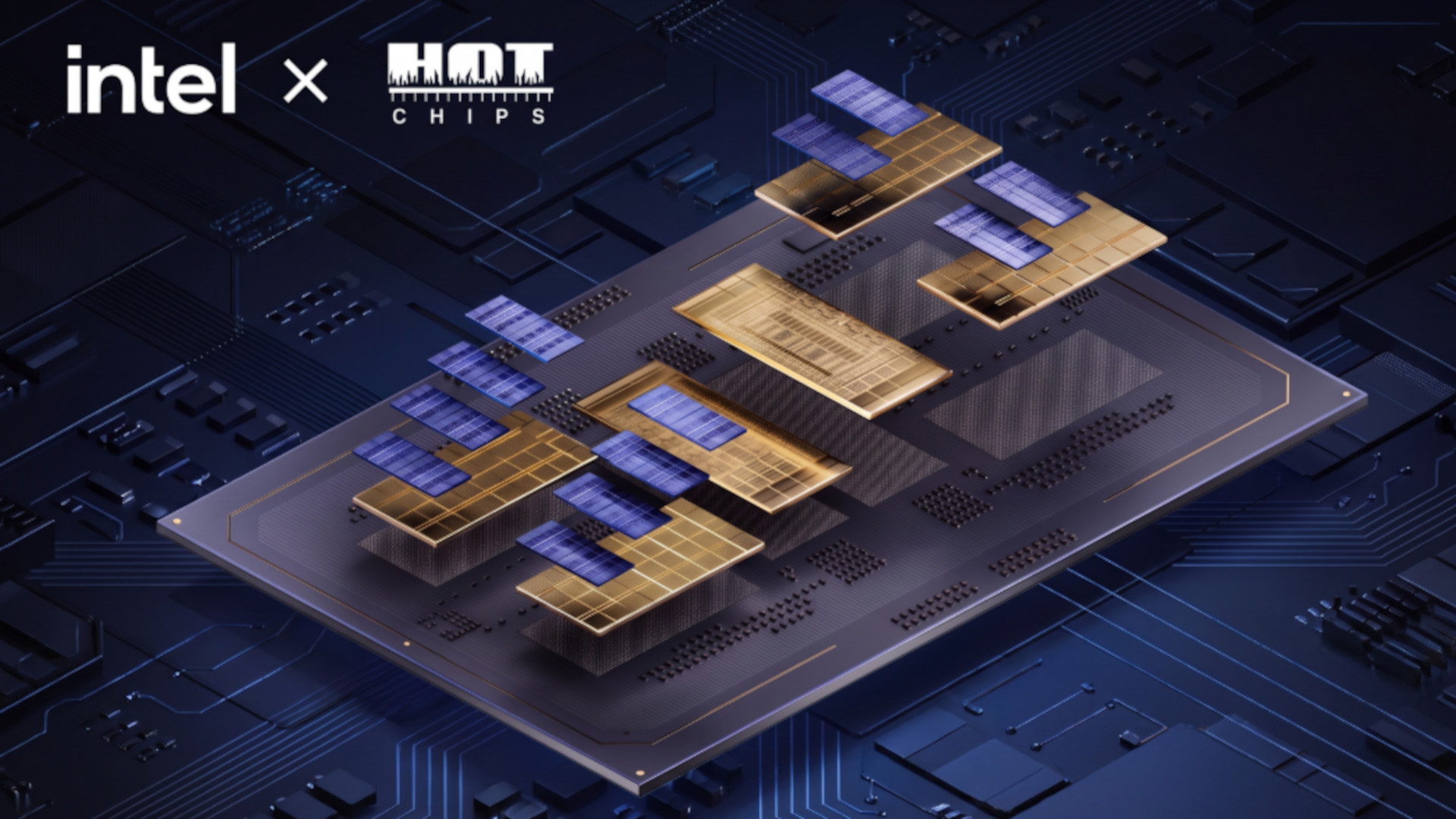
What’s New: Intel is showcasing three architectures for Agentic AI and Enterprise-scale workloads, combining the Diamond Rapids processor for high-performance orchestration, the Crescent Island GPU for efficient inference and the Wildcat Lake SoC for intelligent client and edge computing.“Agentic AI is fundamentally changing how we design and deliver computing – from the transistor and package up through the full system architecture,” said Pushkar Ranade, Intel chief technology officer. “The future is about tightly integrating general-purpose compute with purpose-built acceleration, advanced packaging and open chiplet technologies to build systems that can adapt to the workload and scale within real-world power, cost and deployment constraints.”The processors are underpinned by Intel Foundry technologies including the Intel 18A process family, Foveros Direct 3D packaging, and early adoption of the UCIe industry standard for open chiplet interconnects. Together, these capabilities provide a differentiated, scalable foundation for next-generation AI infrastructure.What Intel is Presenting: At Hot Chips 2026, Intel will discuss three complementary architectures highlighting the next gen Xeon codenamed Diamond Rapids, the next gen datacenter GPU optimized for AI inference known as Crescent Island, and Wildcat Lake – launched as Intel Core Series 3 processors.The compute foundation: Diamond Rapids is a versatile processor designed for enterprise-scale Agentic AI. Built exclusively on Intel technology, including the power- and performance-enhanced Intel 18A-P, Diamond Rapid’s introduces a new architecture. It combines adaptable compute building blocks, a unified memory fabric, and flexible I/O to deliver consistent high performance, efficiency and scalability. Intel is also highlighting its advanced SoC construction using Foveros Direct 3D and UCIe-S interconnect, along with a high-bandwidth memory subsystem, new Advanced Performance Extensions (APX), and enhanced Advanced Matrix Extensions (AMX) to accelerate next-generation AI applications.