Nigeria’s power grid collapsed twice in the first two months of 2026 alone. It has failed nearly 140 times over the past decade.
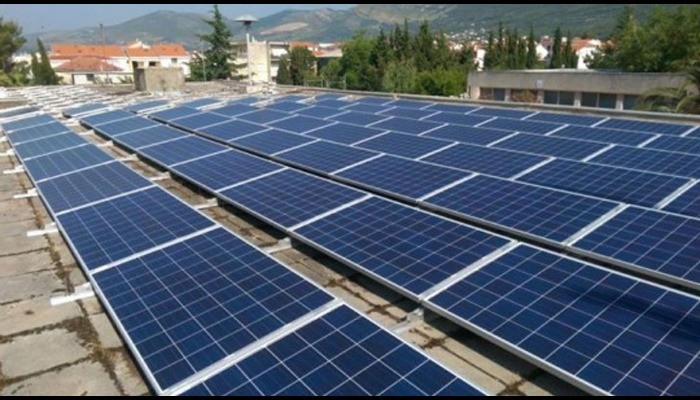
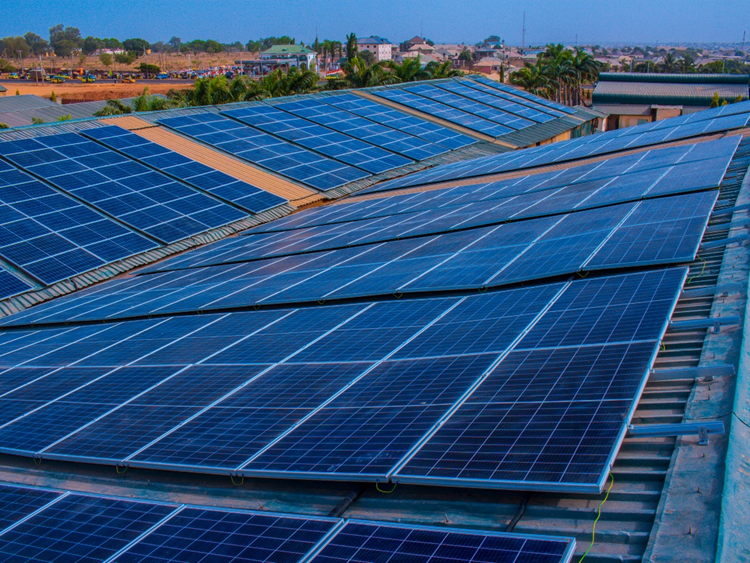
So, when the lights go out in Lagos, Abuja or Port Harcourt, fewer Nigerians are reaching for a diesel generator. They’re reaching for a solar panel instead.
The country now leads sub-Saharan Africa in small-scale solar additions, and forecasters say the boom is nowhere near its ceiling. Bloomberg NEF projects Nigeria’s cumulative solar capacity — currently around 6 gigawatts, could hit 87 gigawatts by 2035.
Here are five reasons analysts think that trajectory holds.
The grid keeps failing, and the market has stopped waiting for it