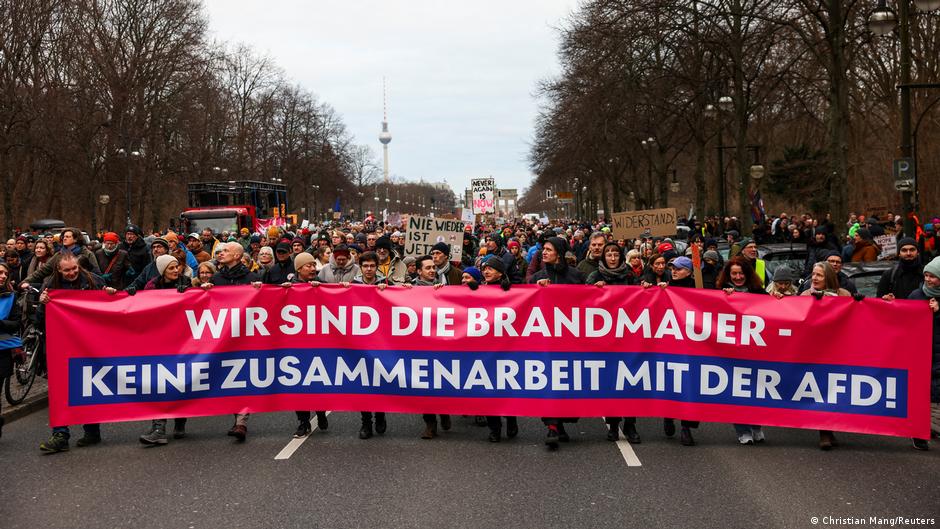
A year ago, an Indian opposition politician who had just met with several representatives of the Alternative for Germany (AfD) quizzed me about Germany’s approach to the far-right party. She wanted to better understand the logic of the “firewall” (Brandmauer) according to which all mainstream parties have resolved to never work with the AfD. At the end of our conversation, she voiced doubts about its prospects of success. In her view, India’s experience pointed to the opposite effect: The attempts to isolate India’s current prime minister, Narendra Modi, after the 2002 riots in the state of Gujarat—for which he was held partly responsible—only made him stronger.
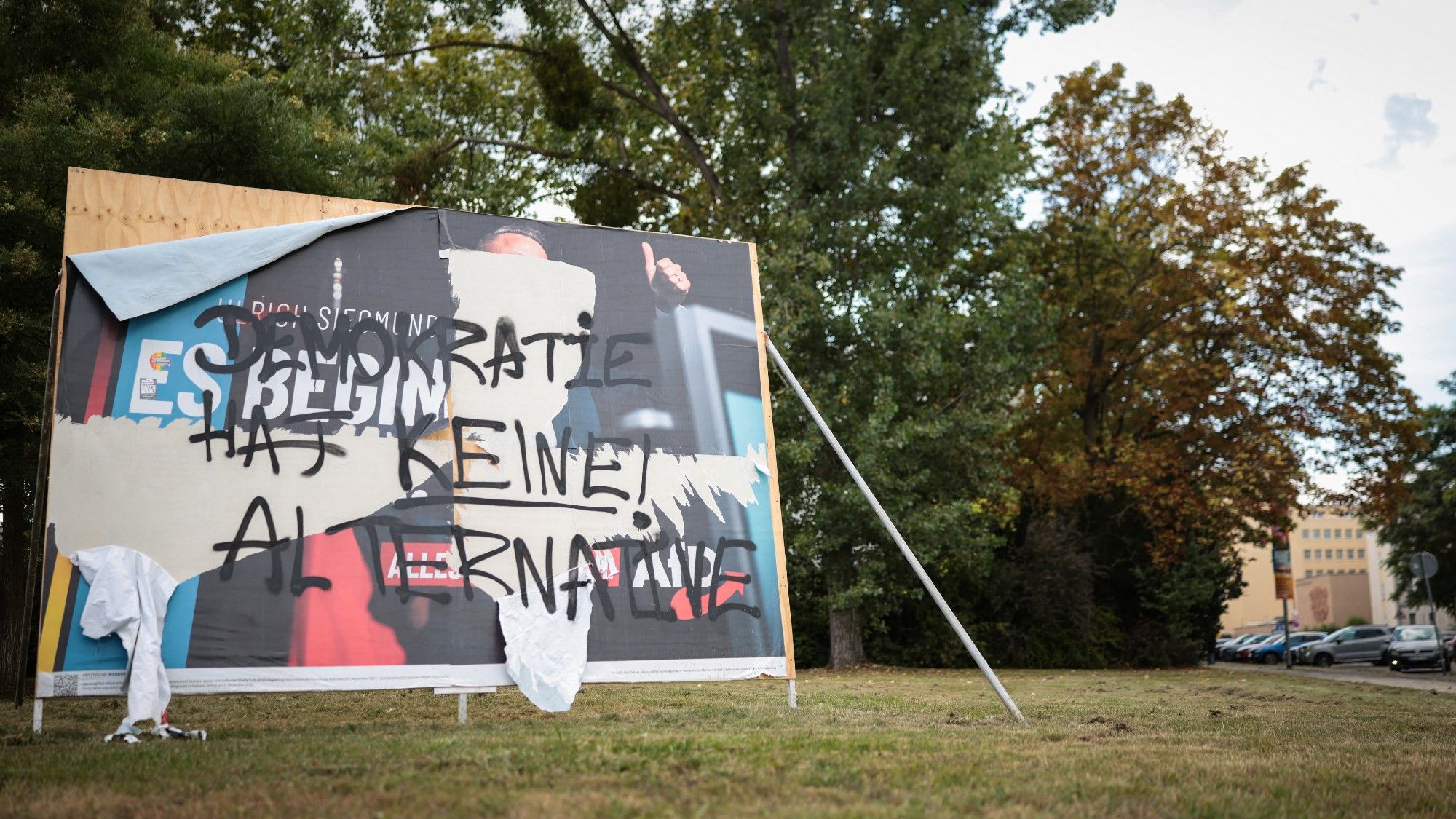
Today, her skepticism seems more justified than ever. While the cordon sanitaire has so far successfully excluded the AfD from any political responsibility at the state and federal levels, the party has grown to become the strongest party in the polls by a clear margin. At the national level, the AfD sits at around 28 percent. In some eastern German states, it is around or above 40 percent. After the upcoming Sept. 6 election in Saxony-Anhalt, the party may soon enjoy an absolute majority in a state parliament, thus earning responsibility for setting the region’s policing, education, and budget policies, and electing its governor.