Read The Diplomat, Know The Asia-Pacific
The claims of Hindu groups that the Taj Mahal was originally a Hindu temple are “high on prejudice and assumptions, low on evidence.”
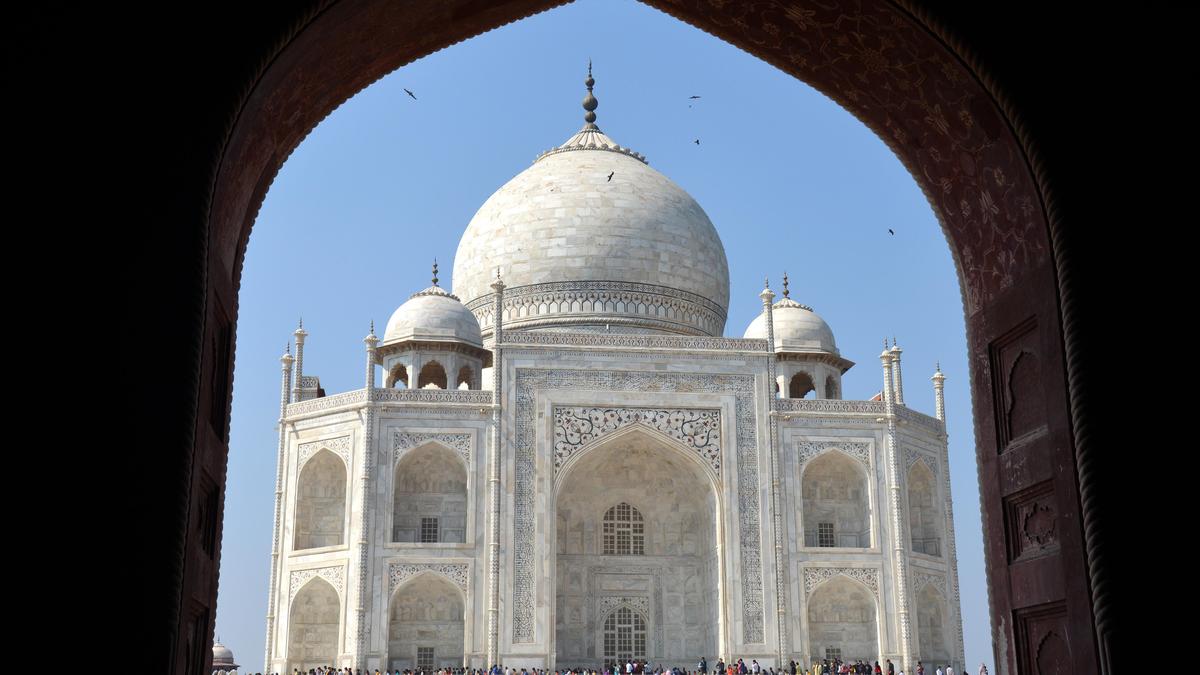
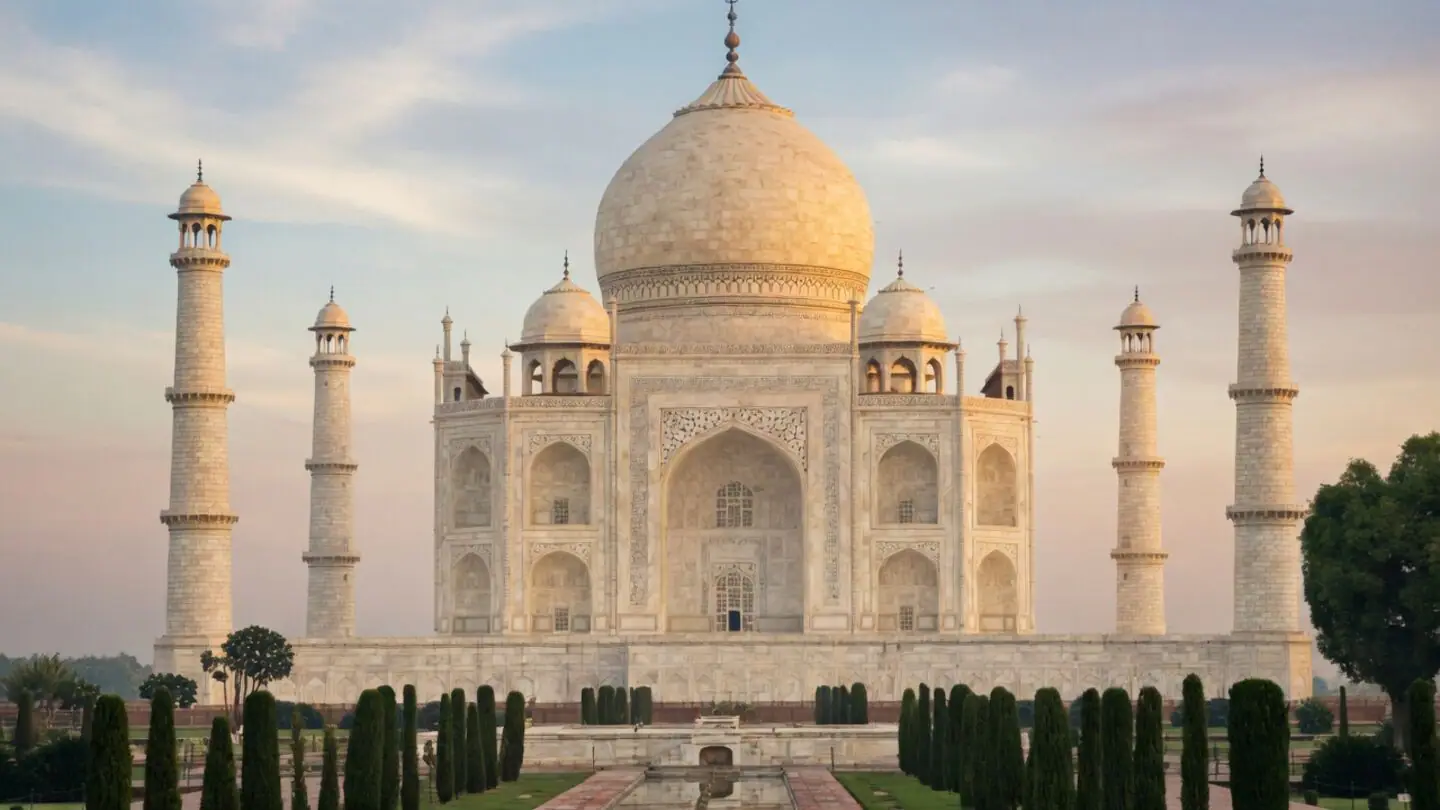
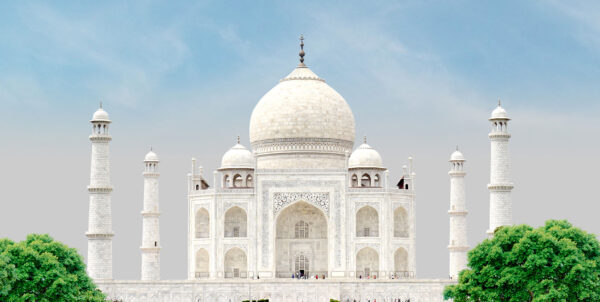
The Taj Mahal is caught in a controversy. Some Hindu groups are claiming that the 17th-century white marble mausoleum that Mughal Emperor Shah Jahan built in memory of his favorite wife was originally “Tejo Mahalaya,” a Hindu temple dedicated to the deity Shiva. Both the Archaeological Survey of India (ASI) and the courts have dismissed the claims of Hindu groups so far. However, recent developments provide cause for concern. The Allahabad High Court issued directives to the central government and the ASI, asking them to respond to a petition, which, while seeking permission for Hindus to offer prayers in the Taj, sought a survey of the monument. Will the Allahabad court’s directives prove to be the thin end of the wedge, opening the floodgates to political meddling and court rulings to strengthen Hindu claims over the Taj?
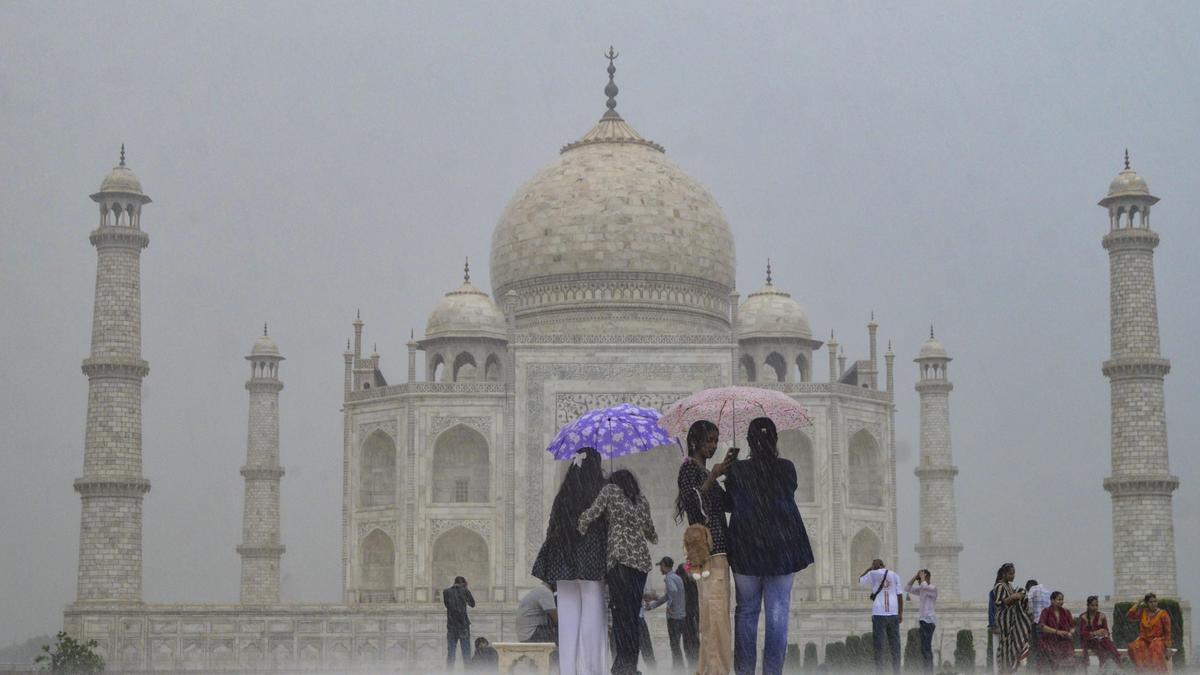
In an interview with The Diplomat’s South Asia editor Sudha Ramachandran, journalist and scholar Ziya Us Salam pointed out that in 2017, the ASI was unambiguous in declaring the Taj as a 17th-century tomb. “One expects that the body will maintain its stand and not succumb to political pressure from right-wing bodies.” As for the central government, it is unlikely to go against the ASI report, as “the Taj earns the highest revenue for the exchequer. Any unseemly controversy could keep the tourists away.” Besides, unlike the Babri masjid, the Taj is famous globally. “The stakes are too high to ignore the facts of history in Agra,” Salam said.