UCT study reveals online wildlife trafficking.
Social media giants including Facebook, Instagram, TikTok, and YouTube are fueling a fast-growing, highly sophisticated, and difficult-to-track illegal wildlife trade that threatens global biodiversity, according to a landmark global review published in Nature Reviews Biodiversity.
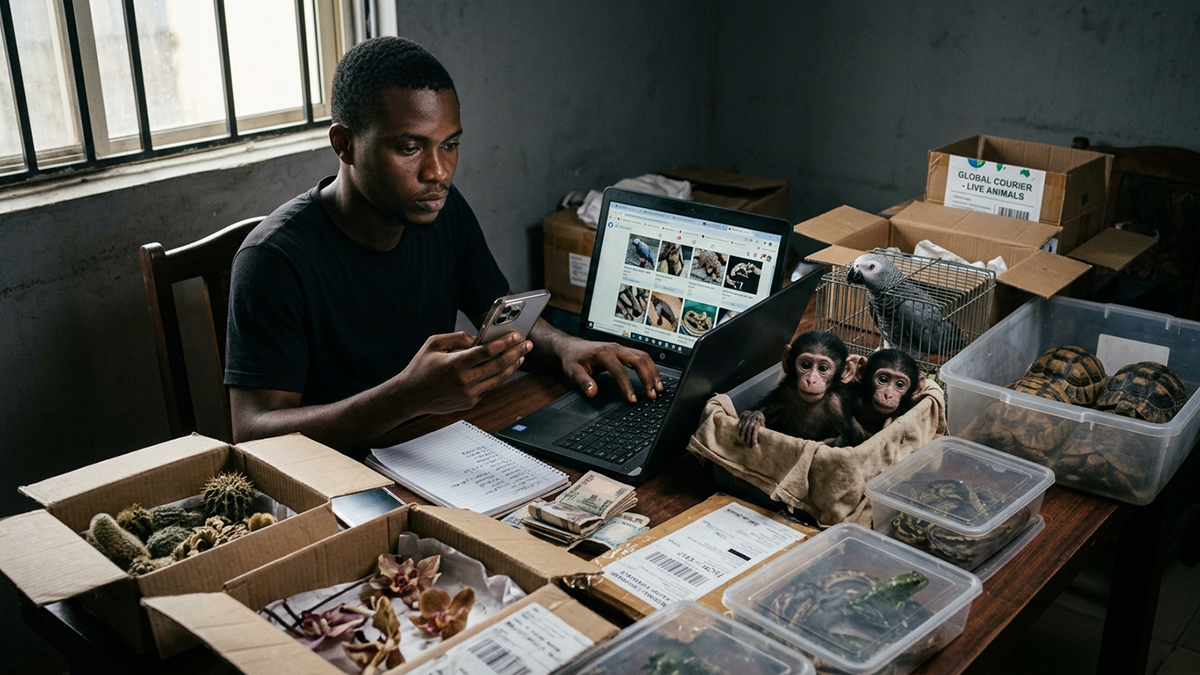
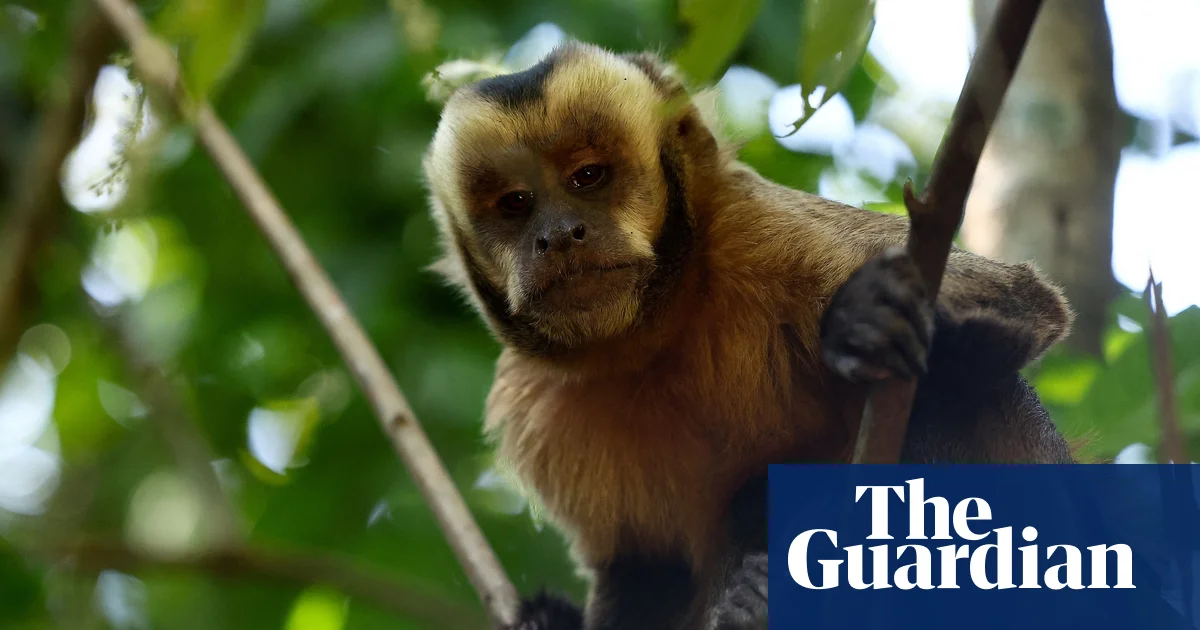
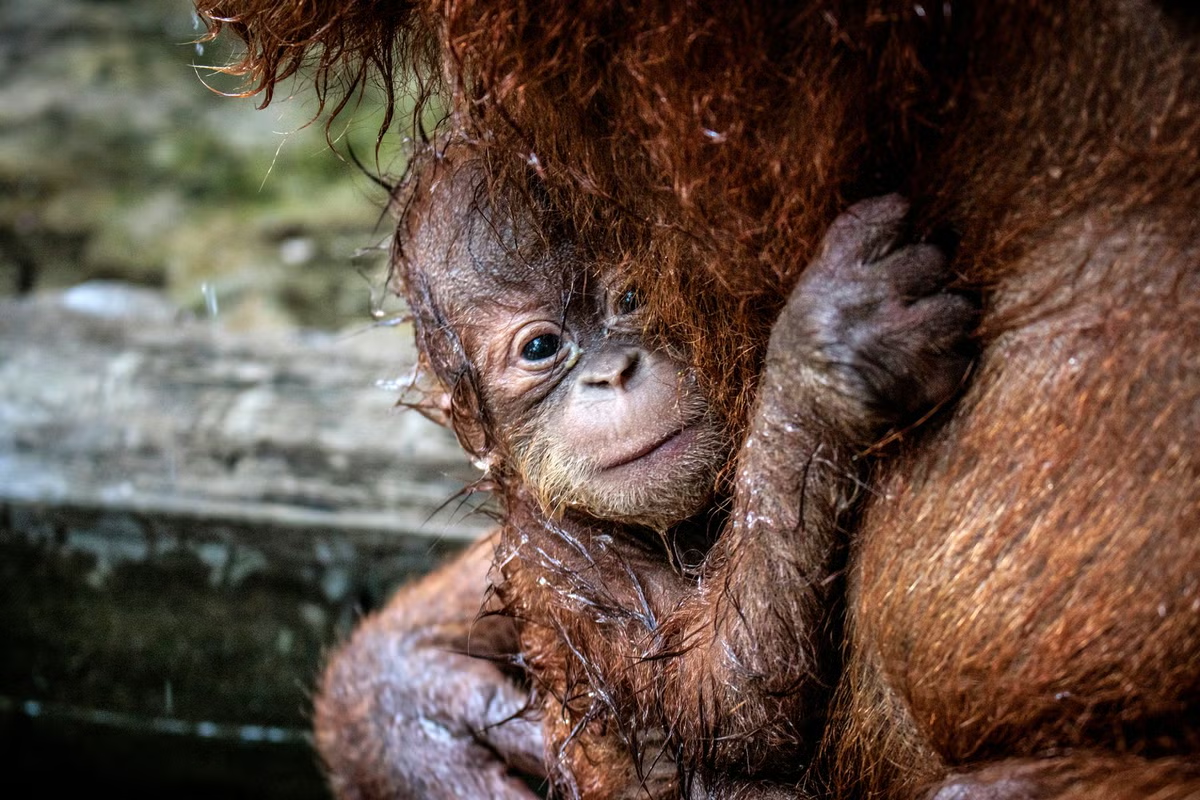
Researchers monitoring online activity over a six-week period in mid-2025 uncovered more than 1,600 primates advertised for sale across these platforms, alongside a vast black market for birds, snakes, frogs, orchids, and succulents. The study reveals that thousands of animal, plant, and fungal species—including many not previously identified as at risk—are being drawn into direct-to-consumer digital pipelines that easily bypass traditional law enforcement and large-scale smuggling networks.
Yet, tackling this crisis will require far more than deleting posts or banning accounts. Dr. Annette Hübschle, Chief Research Officer at the University of Cape Town’s (UCT) Faculty of Law and the the study’s social scientist stressed that online wildlife trafficking poses a challenge that requires a societal approach.
“The online illegal wildlife trade spreads across platforms faster than any single company or country can police it,” said Hübschle.