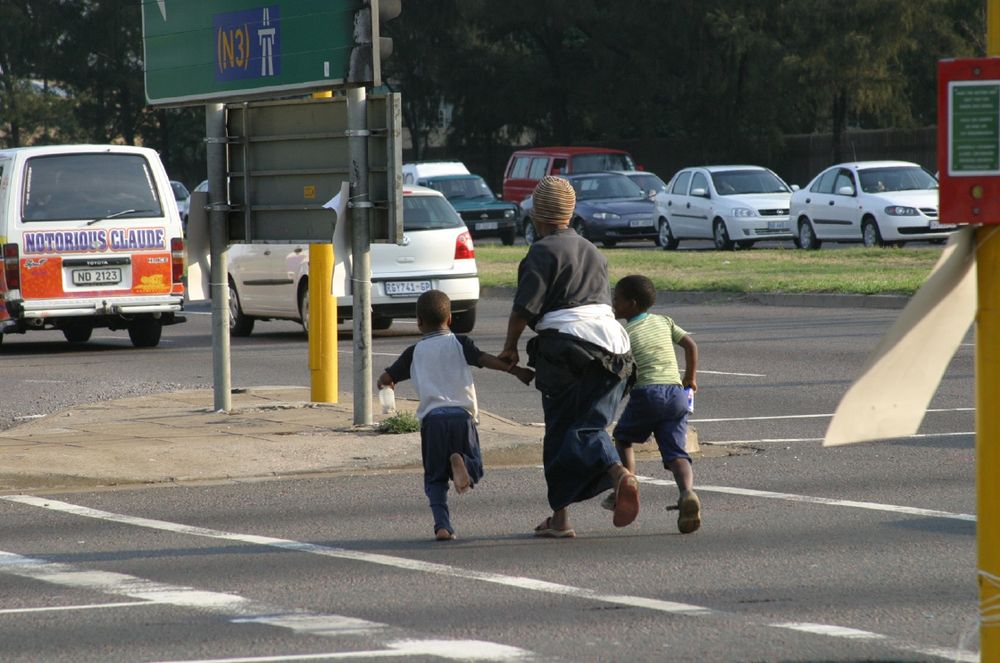
A woman and her children dance between the traffic begging for loose change.
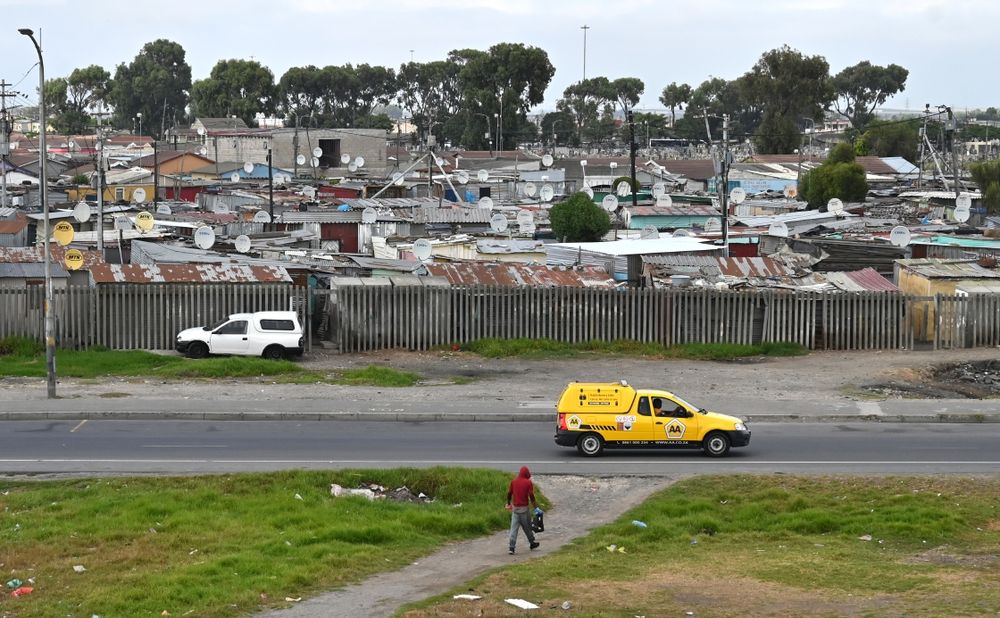
More than three decades after the end of apartheid, South Africa has achieved political freedom without delivering economic freedom to most of its people.
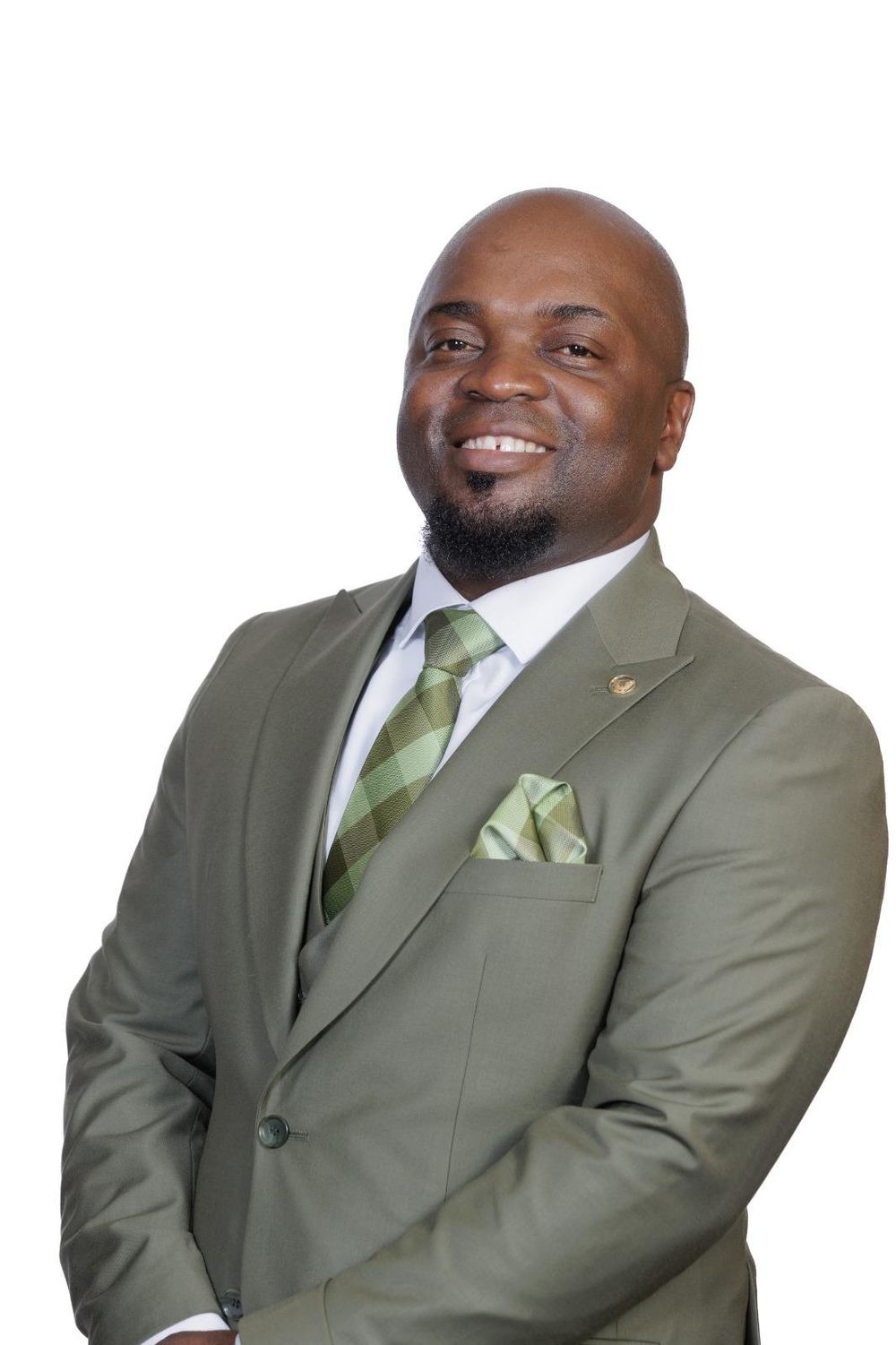
Black South Africans vote, hold public office and lead the national government. Cyril Ramaphosa occupies the presidency, and the African National Congress has shaped government policy since 1994. Yet political representation has not fundamentally redistributed the productive assets, quality education, employment opportunities and access to capital that create lasting prosperity.
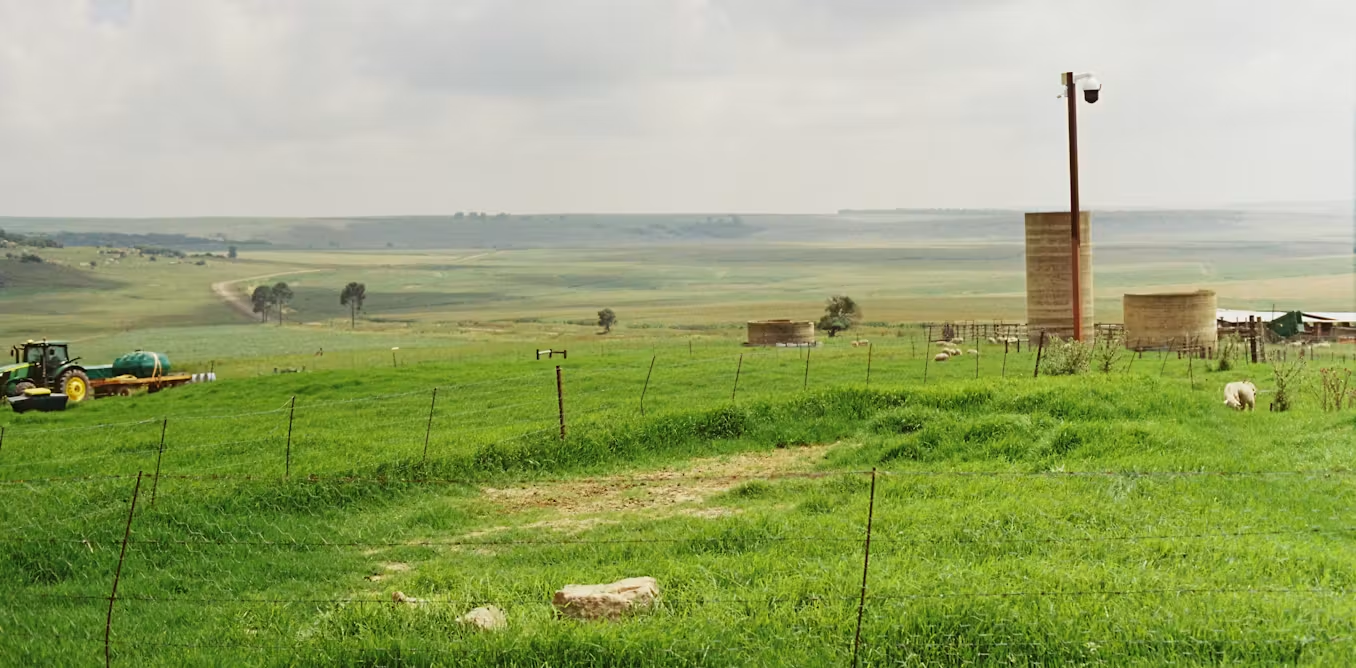
The racial laws of apartheid were dismantled, but the economic architecture built beneath them remains stubbornly intact.
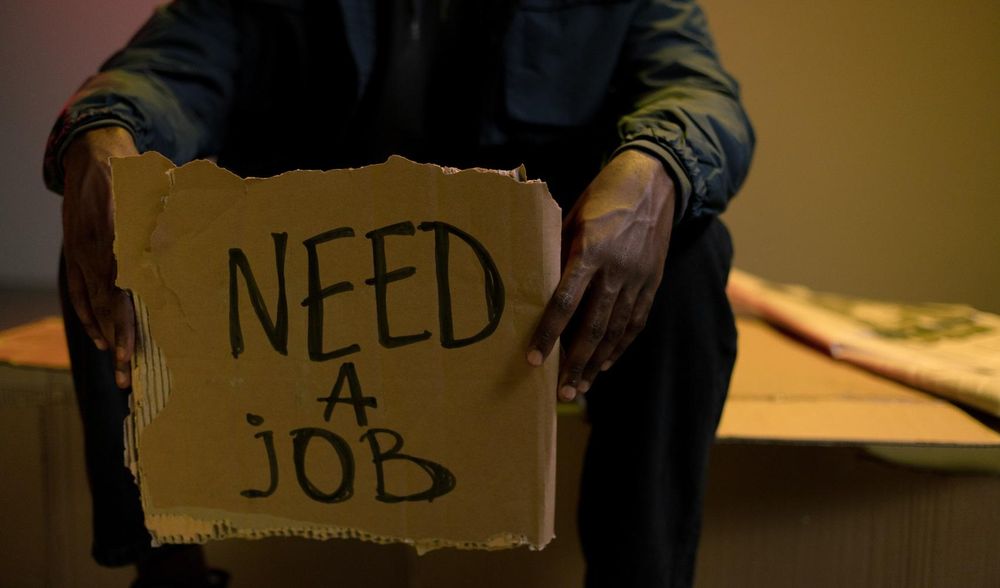
The precise figures vary by study, but the direction is undeniable. The wealthiest 10% own the overwhelming majority of South Africa’s wealth. Millions of people still live below the food poverty line. National unemployment remains above 30%, while unemployment among young people is substantially higher.