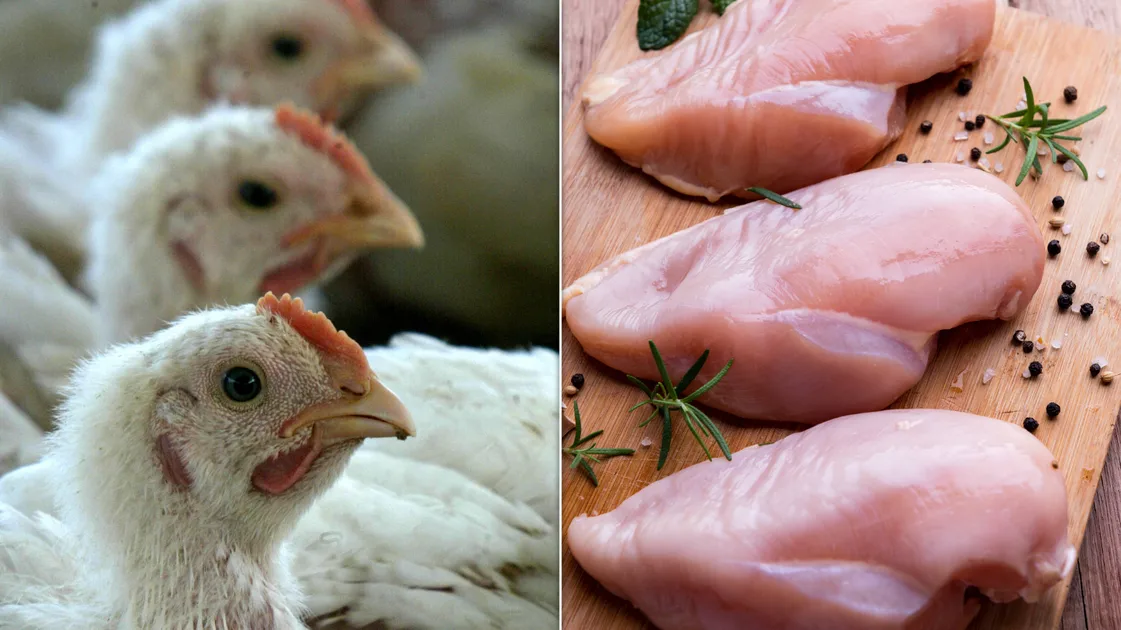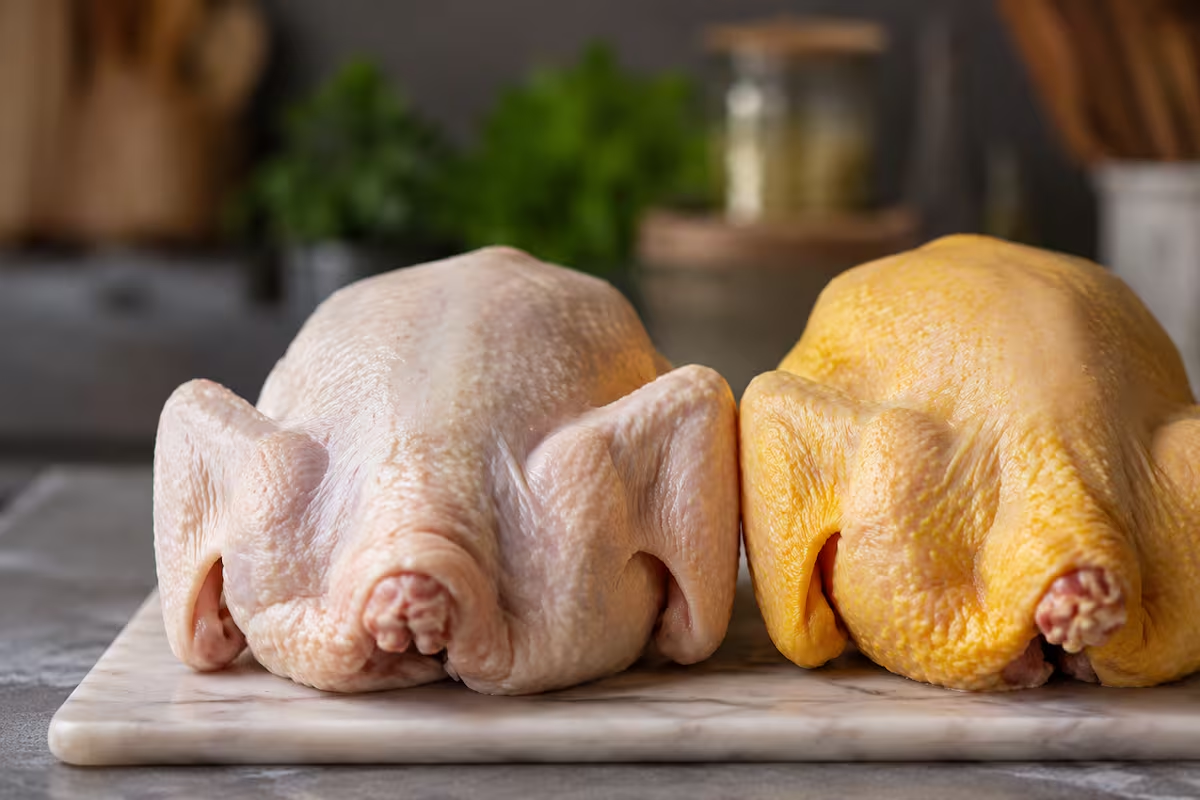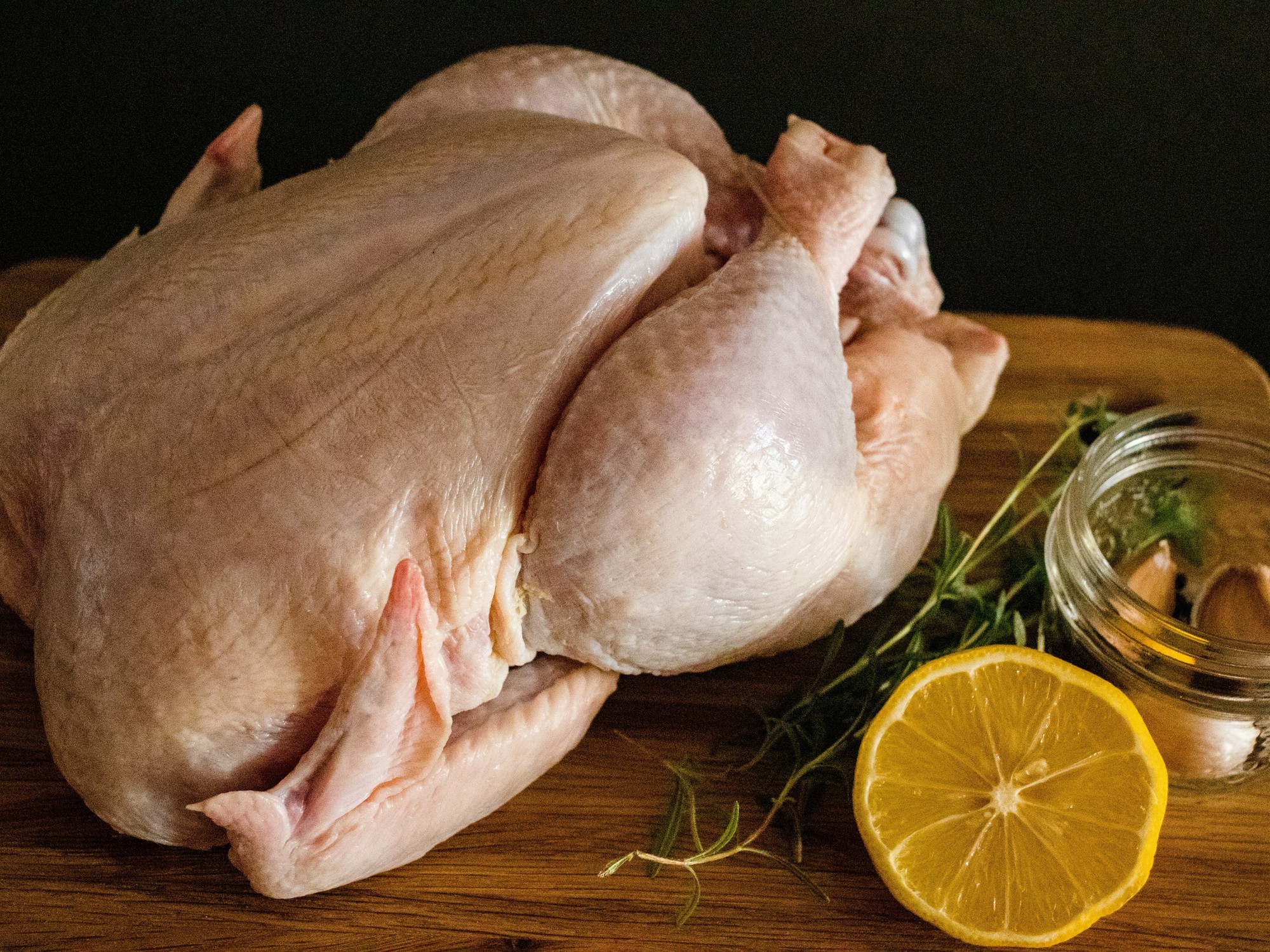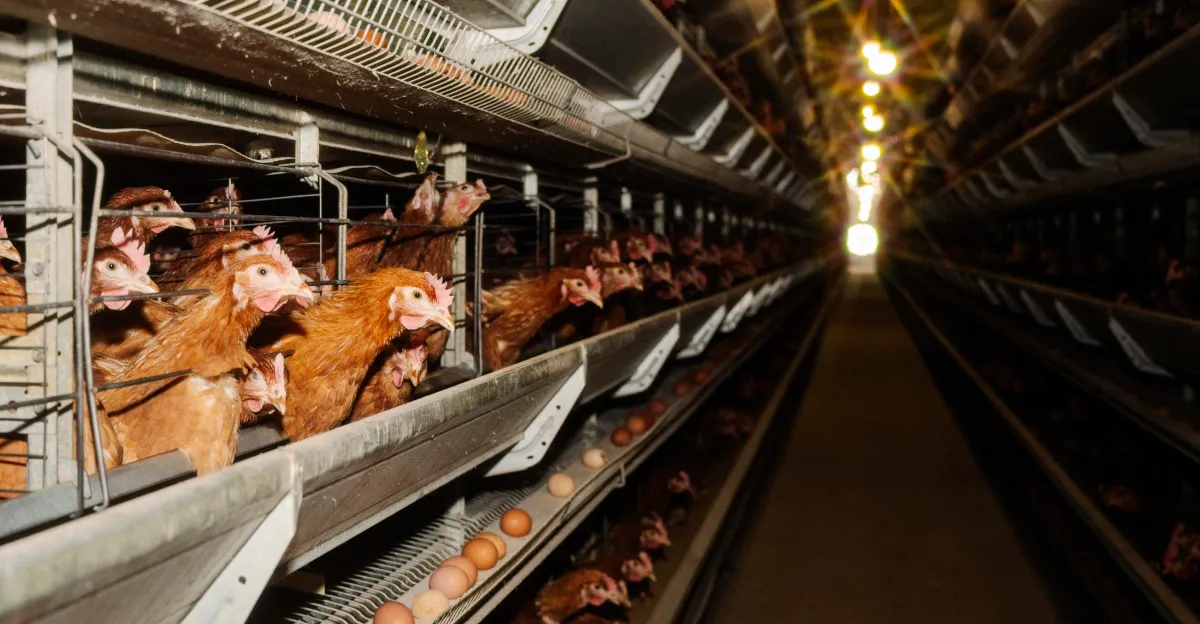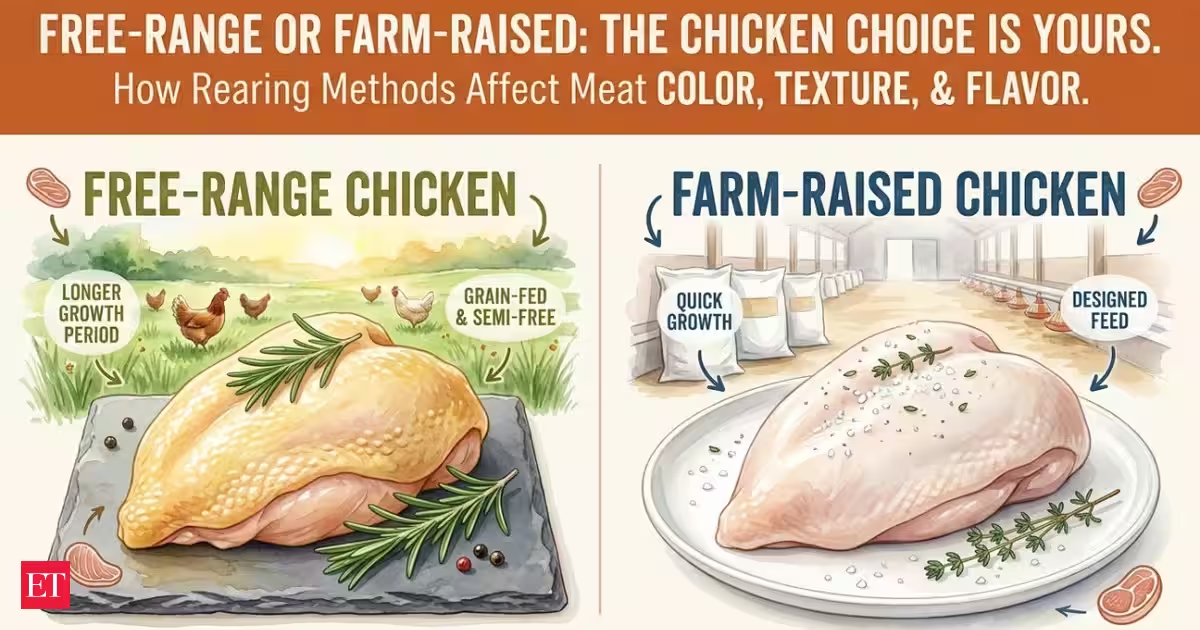
The chicken you pick at the store can differ in more ways than price. Free-range and farm-raised chicken are raised under different conditions, and those differences can affect the meat's color, texture and flavor.Both come from young poultry raised for consumption, but their diets and growth periods are different.Free-range chicken has firmer meat and stronger flavorAccording to Spain's Ministry of Agriculture, Fisheries, and Food, free-range chicken is raised under semi-free conditions and has a longer growth period, as per a El Cronista report.The birds are fed grains and can reach around 3kg. Their meat tends to have a more yellowish color, firmer texture and stronger flavor. This can make free-range chicken appealing to people who prefer a more pronounced taste and firmer meat.Farm-raised chicken is tender and mildFarm-raised chicken is produced through an intensive rearing system. The birds grow quickly until they reach the appropriate weight for sale, around 1 kg, and receive feed specifically designed for this purpose.RECOMMENDEDSTORIES FOR YOUThe meat tends to be whiter or paler, with a more tender texture and milder flavor. It is also generally more competitively priced.Which one should you chooseThere is no single choice that is better for everyone.Free-range chicken may appeal to those who prefer:Firmer meatStronger flavorA more yellowish colorFarm-raised chicken may suit those looking for:More tender meatA milder flavorA generally more competitive priceDoes the type of chicken affect its fat contentThe type of chicken alone does not determine its fat content. The amount of fat depends on the cut chosen and whether the meat is eaten with or without the skin.The differences between free-range and farm-raised chicken come down to how the birds are raised, their diet and their growth period, which can influence the meat's texture, flavor, color and price.
Free-range vs. farm-raised chicken: Why one has firmer meat and stronger flavor while the other is cheaper and more tender
Discover the key differences between free-range and farm-raised chicken, including meat texture, flavor, and nutritional content. Understand which type suits your taste and budget.
290 words~1 min read