If you haven’t been living under a rock, you’ve probably heard that wild-caught salmon is widely considered to pack more nutritional (and environmental) benefits than farm-raised salmon. But considering the significantly heftier price tag on wild-caught, how much of a nutritional difference are we really talking about here?
If the difference is only negligible, is the more-affordable farmed salmon still a good choice? Here’s what registered dietitians and environmental sustainability experts have to say.
What’s the difference in how they’re raised?
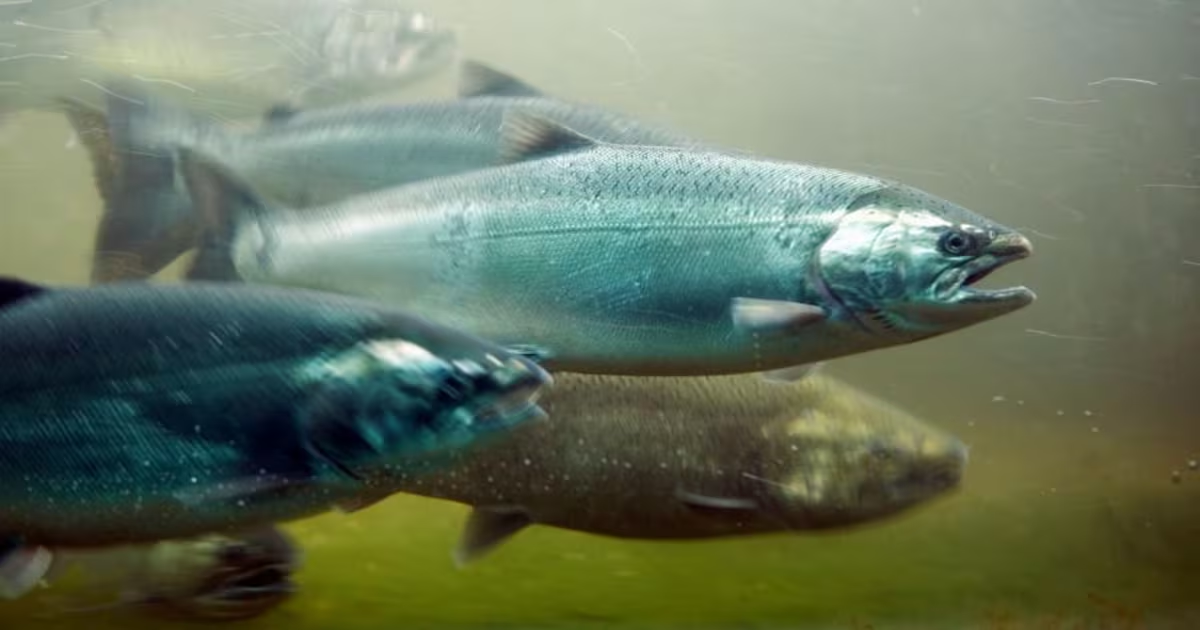
It’s important to understand that farmed salmon and wild salmon have some distinct differences. Wild salmon live in oceans, rivers and streams, and typically travel far distances and eat a diet of smaller fish and marine organisms. Farmed salmon are raised in controlled environments like tanks, net pens and other enclosures for the specific purpose of being eaten, and are fed pellets made of fish oil, fishmeal, plant proteins, vitamins and minerals.
How nutritious is farmed salmon?